From 2km runs to a triathlon: How more Indians are finding their way into endurance sport | More sports News
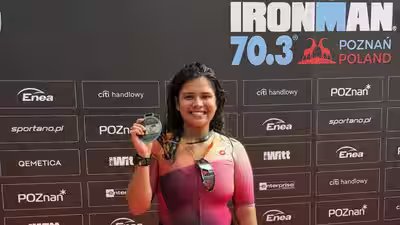
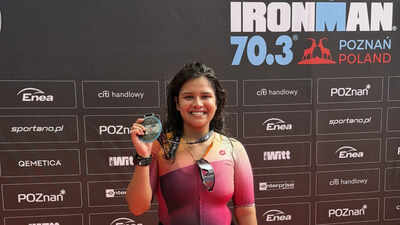
Two years ago, Simran Dodeja was waiting to feel ready.She was 28, working as a chartered accountant and later building a career as a wellness facilitator. A triathlon was on her bucket list, but she kept putting it off.“I was scared of choosing something hard, failing publicly, not living up to expectations,” she told Timesofindia.com. “I didn’t want to be 70 and regret something I never tried.”On August 30, at 30, she stood on the start line of the Ironman 5150 Poznań in Poland, completing the 1.5km swim, 40km bike, and 10km run in 3:57:54 – her first adult endurance race.The 5150 is the Olympic-distance format in the Ironman family. Beyond it are the 70.3 and full Ironman distances.Her entry is part of a wider shift. Road races are drawing younger and more diverse fields, while run clubs and social media are bringing more people into endurance sport. The 2026 Tata Mumbai Marathon drew more than 69,000 participants, its highest turnout, while female participation has risen 150% since 2016, according to IISM and Procam International.
I was scared of choosing something hard, failing publicly, not living up to expectations. I didn’t want to be 70 and regret something I never tried.
Simran Dodeja
Dodeja had some sporting experience – she was a competitive swimmer as a child – but no adult endurance background.“I’m a CA by training and got certified as a wellness facilitator last year – not a conventional endurance-sport background,” she said. “But sport shaped me early.”ALSO READ: Why endurance sport is no longer a niche pursuit in IndiaA friend’s experience and a documentary about Danish endurance athlete Anders Hofman eventually pushed her to register. She did so without fully understanding what she was taking on.“There was definitely naivety involved,” she said. “Honestly, some naivety helps – if you knew everything upfront you might never start.”
The 2km run was the first problem
Running soon proved the hardest part. “I couldn’t hold even 2-3km without getting breathless,” she said.Even swimming had to be relearned in a different setting. Her first outdoor lake swim brought a new kind of anxiety, before a 2km swim at Kasarsai dam with her husband and coach helped settle it.The preparation was repeatedly interrupted. With 22 days left, a stomach infection had forced three days off, and she had still not completed the individual race distances. Flu and then her period brought another break.“I felt guilty at first for stopping. Then realised it was exactly what I needed,” she wrote in one of her Instagram posts.She returned to training and posted a personal best in the 1.5km swim. “I believe in discipline over motivation, since motivation doesn’t last,” she said. “Training became a fixed part of my mornings: gratitude, meditation, and a workout before work.”
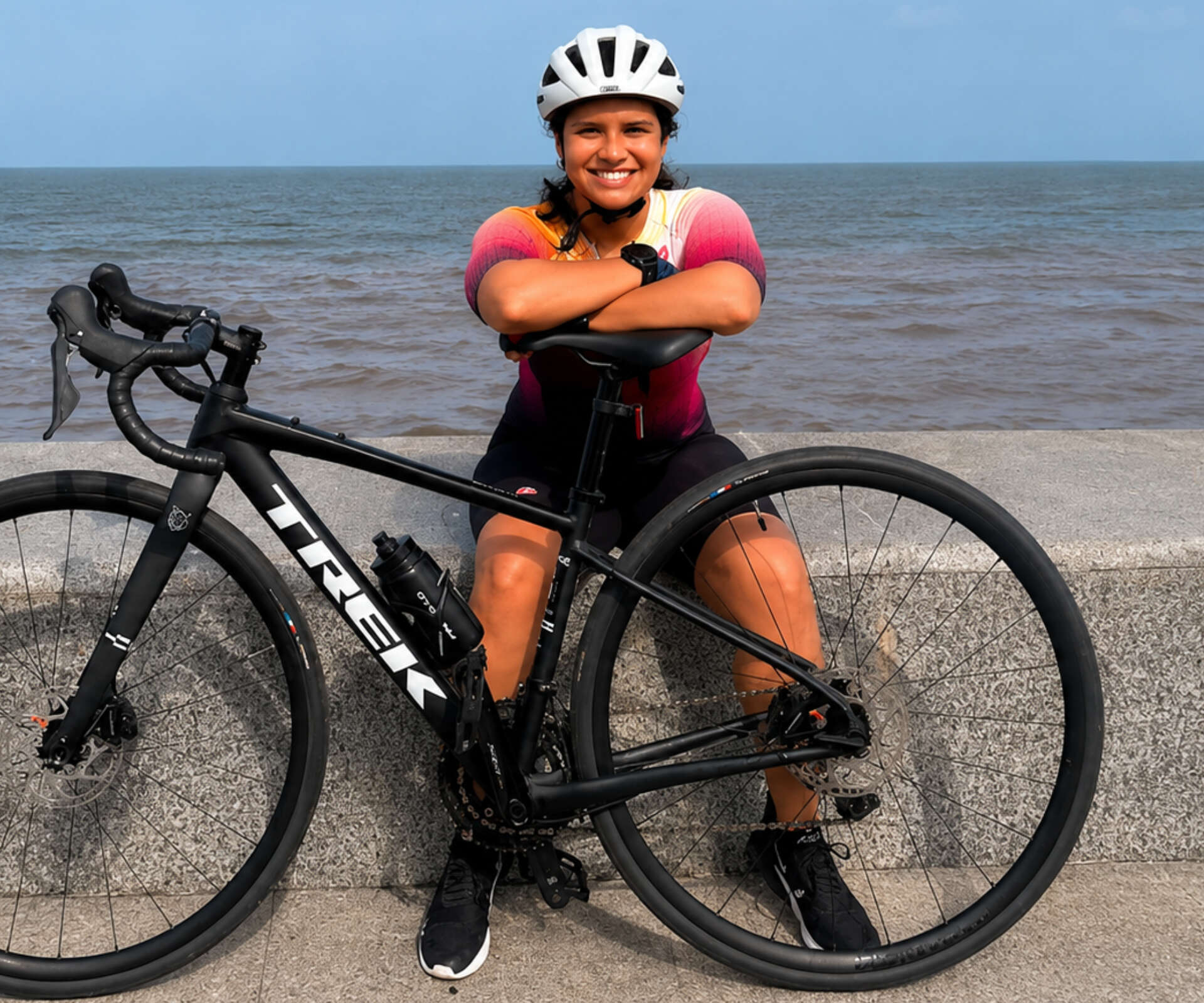
Simran Dodeja (Photo: Instagram)
On one of her first outdoor rides in Mumbai, her front tyre went into a sewage grill. She flipped over and a car ran over the bicycle. “I walked away with bruises, but the fear that it could’ve been me stayed with me for a long time, and I genuinely questioned if it was worth continuing,” she said.A return was made gradually with coach Chaitanya Velhal, first on traffic-free roads in Pune, then on safer group rides and eventually at Mumbai’s Worli promenade. “I didn’t want to live the rest of my life scared of a bike.”“As a wellness facilitator I teach about overcoming fear and self-doubt – this journey tested whether I could actually live that myself,” she said. “The bike accident taught me that directly: I could’ve quit, but I chose to pause and ask how to overcome it instead.”
The barriers went beyond training
The difficulties also went beyond training. At 5ft 1in, a suitable bike had to be searched for across Mumbai before she found a small-frame model. A trisuit took three or four attempts.“Finding a bike in my size was hard. Finding a trisuit was even harder,” she said.The gender imbalance was visible too. Women account for only 10-12% of Indian triathletes, compared with 25-40% globally. Training groups, she said, could have 15 men for every two women.She began documenting those difficulties online rather than showing only the milestones.“I’ve always been fairly private – my Instagram was locked until March this year. I only went public to build credibility for my wellness workshops.“Once I started documenting this journey, I wanted the messy parts included on purpose, so it felt relatable to anyone doing something hard while not feeling ready – not just athletes. What people post online is often so curated it becomes deceptive.”Her wellness practice continued alongside training, with more than 20 workshops involving around 350 participants. Weekends were increasingly given to early sessions and training, while her husband joined rides and supported her through the difficult stretches.
I’m not extraordinary – I’m ordinary, and I just decided to do something hard and stuck with it. You can do it too – if a girl who couldn’t run 2km without getting breathless can get here, genuinely, anyone can.
Simran Dodeja
The numbers finally came together
As running has become increasingly community-driven through run clubs and social media, more newcomers are finding a way into longer and more demanding events.
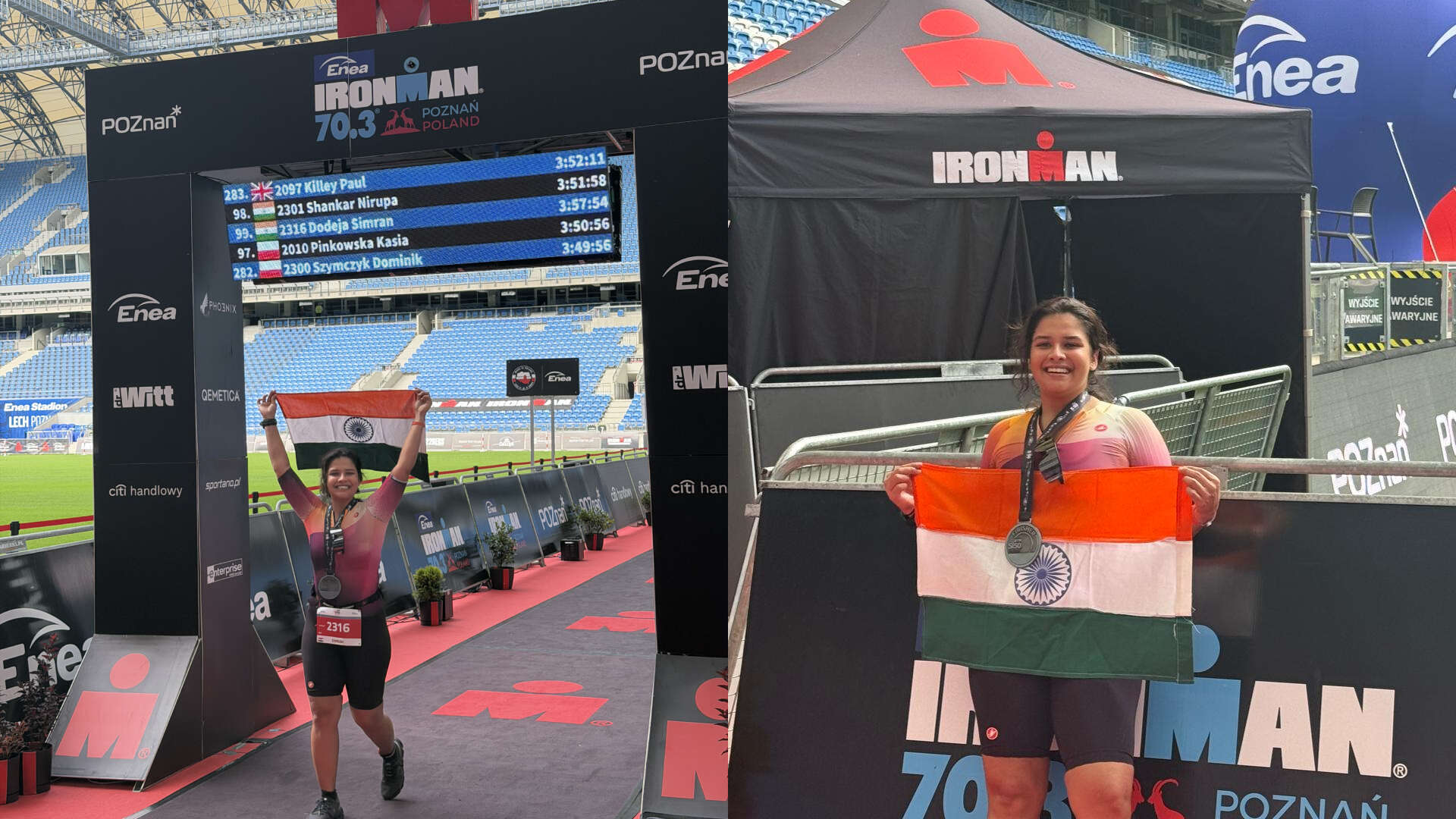
Simran Dodeja (Photo: Special Arrangement)
“Before I started, I hadn’t really thought that far ahead – I just took the leap and trusted I’d figure it out,” she said.Dodeja came into triathlon without knowing much about the sport, struggled to run 2km, had to muster the courage to ride again after a crash and spent months fitting training around work. She eventually made it to the start line in Poznań. There are more people now entering endurance sport in much the same way – without years of competitive experience, but willing to learn as they go.“I’m not extraordinary – I’m ordinary, and I just decided to do something hard and stuck with it,” she said. “You can do it too – if a girl who couldn’t run 2km without getting breathless can get here, genuinely, anyone can. My real fear was never failing, it was regret – not trying is the only thing I’d have regretted.”