Researchers composted discarded chicken feathers and mixed them into soil; feather volume fell by about 40% as vegetable height, leaves and biomass increased |
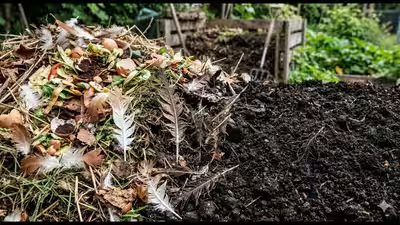
Chicken feathers are usually treated as a disposal problem, but researchers in Bangladesh tested a way to return this waste to the soil. Instead of burning or burying discarded feathers, they decomposed them and used the resulting material as an organic fertiliser. In a controlled experiment, the treated feathers supplied nitrogen and other nutrients to vegetable plants, while the waste itself lost much of its original volume during treatment. The work offers an example of how a poultry-processing by-product can be redirected toward agriculture.According to the International Journal of Recycling of Organic Waste in Agriculture, researchers at Khulna University in Bangladesh collected poultry feathers from slaughterhouses near the university campus. The paper notes that feathers can account for up to 10% of a chicken’s body weight and are rich in keratin protein and amino acids. Because keratin contains substantial nitrogen, properly treated feathers can be converted into a nitrogen-rich organic fertiliser, although untreated feathers are relatively resistant to natural decomposition. In the study, the collected feathers underwent a combination of aerobic and anaerobic decomposition, with the treatment process monitored by periodically opening the pit at 10-day intervals. The resulting material was then evaluated for its potential as an organic fertiliser.From poultry waste to soil amendmentThe International Journal of Recycling of Organic Waste in Agriculture also describes how the researchers treated poultry feathers before applying them to soil. The feathers underwent a combination of aerobic and anaerobic decomposition, with the treatment process monitored by periodically opening the pit at 10-day intervals. The treatment substantially reduced the bulky waste into a more manageable material. The researchers also cited previous composting research indicating that composting can reduce the mass of solid waste by about 40%. More importantly, the treated feather material contained 35.9% organic matter and 4% total nitrogen, highlighting its potential as a nitrogen-rich organic fertiliser and a way to recycle nutrients from poultry-processing waste.The researchers then tested four application rates, equivalent to 4, 8, 12 and 16 tonnes per hectare, alongside untreated soil. They grew Ipomoea aquatica, commonly known as water spinach or kangkong, a leafy vegetable widely grown in Bangladesh. The plants were harvested seven weeks after emergence, allowing the researchers to compare their height, leaf numbers and fresh and dry weight. The results were both visible and measurable. Plants grown with treated feather waste developed greener foliage than those in the control group, while the effect became more pronounced as the application rate increased. At 12 tonnes per hectare and above, plant height, leaf numbers and plant weight increased significantly compared with the untreated control.Why feathers can feed plantsThe treatment matters because it makes nutrients in the feather material more accessible than they are in fresh, untreated feathers. The Bangladesh study found that the treated material contained substantial organic matter and nitrogen, allowing it to contribute nutrients when applied to soil. Nitrogen is essential for leaf formation and vegetative growth, so its availability can influence the development of crops. For a leafy vegetable such as water spinach, a nitrogen-rich organic amendment could therefore support growth, although the extent of any benefit depends on how much nitrogen becomes available to plants in the soil.According to Compost Science & Utilisation, researchers tested hen-feather keratin hydrolysate and feather compost on several vegetable and crop plants. Feather compost significantly increased fresh weight, while cucumber showed the strongest growth response among the plants tested. The researchers also recorded changes in physiological indicators, including phenylalanine ammonia lyase and guaiacol peroxidase activity, suggesting that feather-derived compost could influence both plant growth and plant physiological condition. Together, the studies suggest that poultry feathers can have agricultural value after suitable processing. But they do not mean that raw feathers should simply be scattered over fields. The results therefore demonstrate potential rather than guaranteeing the same yield response under field conditions.
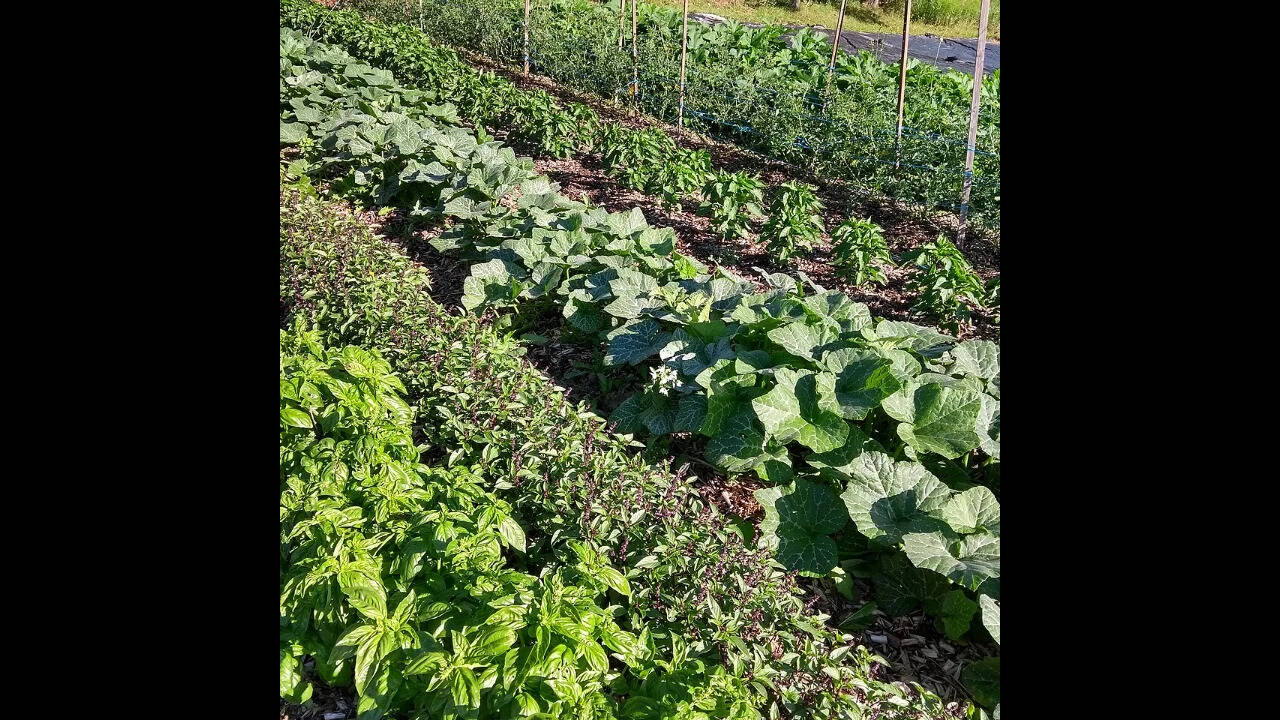
In Bangladesh, researchers have effectively turned chicken feathers into an organic fertiliser, enriching vegetable plants with the nutrients they need. Image Credits: Wikimedia Commons.
Turning a disposal problem into a resourceThe environmental benefits go beyond plant growth. Poultry processing generates large quantities of feathers, and disposing of them through burning or burial can create additional problems. Burning produces emissions, while burial requires land and can contribute to pollution if waste is not properly managed. Composting or controlled decomposition offers another route. Instead of treating feathers as waste, the process recovers their organic matter and nutrients for reuse in agriculture. The approach could be particularly useful in places where farmers have limited access to organic fertilisers. Poultry waste and crop production already exist within the same local economy, creating an opportunity to shorten the distance between waste generation and nutrient recovery.There are practical limits, however. The Bangladesh experiment used a specific vegetable, a specific soil and carefully controlled application rates. Producing feather compost at scale would also require collection, cleaning, treatment and quality control. The cost and energy involved would need to be compared with conventional fertilisers and other organic amendments. Still, the experiment suggests a broader way to think about agricultural waste. A feather that begins as a hard-to-dispose-of by-product can, after months of controlled decomposition, become a nitrogen-rich soil amendment. The result is a recycling loop: poultry waste enters the system as a problem and leaves it as a potential source of nutrients for the next crop.