
What to do with rakhi after Raksha Bandhan 2026? Here’s the right way to remove and preserve it
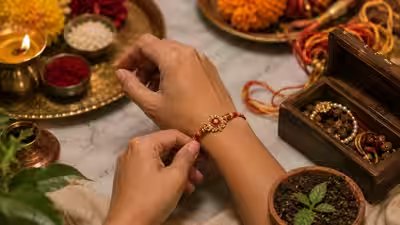
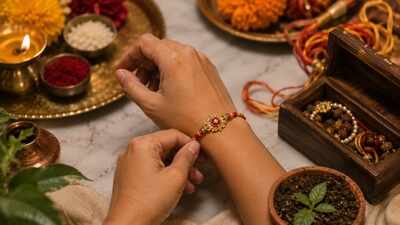
We talk a lot about when to tie Rakhi, what should go into the Rakhi thali, which mantra to chant and even what kind of Rakhi to choose. But there is one question that usually comes a few days after the festival:What should you actually do with the Rakhi once Raksha Bandhan is over?Should you remove it the next morning? Keep wearing it? Preserve it? Or immerse it somewhere?There isn’t one universally followed practice across every Hindu community. But if you see Rakhi as a Raksha Sutra rather than just a decorative thread, its removal should ideally carry some of the same respect with which it was tied.Don’t Rush to Remove ItYou don’t have to take the Rakhi off immediately after the festival. If it is comfortable and hygienic, you can continue wearing it for some time, especially if that is what your family traditionally does.The more important point is how you eventually remove it.If the Rakhi was tied with a prayer, blessing and intention for protection, don’t treat it like ordinary packaging once the celebration is over. Remove it consciously rather than casually cutting it and throwing it into the dustbin.If Your Rakhi Is Made From Natural MaterialsIf you are wearing a simple Rakhi made from Mauli, cotton or other biodegradable materials, returning it to nature is one of the simplest options.You can respectfully place it in clean soil, and the natural materials will gradually decompose.This is particularly suitable for the Vedic-inspired Rakhi discussed for 2026, which uses natural ingredients such as Mauli, Akshata, turmeric, Durva, Kesar, Tulsi, Red Chandan, green cardamom and clove.Instead of treating these ingredients as waste, let them return to the earth.Should You Immerse Your Rakhi in a River?This is one practice that needs a little more thought today.Some families may traditionally choose water immersion. But modern Rakhis can contain plastic, synthetic threads, artificial stones, metallic decorations, glue and chemical colours.These should never be thrown into a river, lake or pond.A ritual intended to express gratitude and protection shouldn’t end by polluting nature. If your Rakhi contains both natural and artificial materials, separate them. Dispose of the artificial components responsibly and return only biodegradable materials to nature.In many cases, placing a natural Rakhi in clean soil is a better choice than water immersion.What If the Rakhi Contains Silver, Gold or Sacred Beads?Don’t discard them.If your Rakhi contains silver, gold, Rudraksha, Tulsi beads, gemstones or another reusable element, carefully separate and preserve it.You can keep it as a memory and reuse bead later.Can You Keep the Rakhi Forever?Absolutely.Sometimes a Rakhi isn’t just a Rakhi.It may have been handmade by your sister. It could be the last Rakhi tied before one sibling moved abroad. It may belong to an important year in your family’s life or simply carry a memory you don’t want to lose.In that case, preserve it in a clean memory box or another appropriate place.Not everything sacred needs to be disposed of. Some things are worth keeping because of the story attached to them.Before Removing the Rakhi, Do ThisWhen you finally decide to remove your Rakhi, take a few seconds before doing so.Remember the person who tied it and the intention with which it was tied. Offer a simple prayer of gratitude in your own words.You don’t need an elaborate ritual.The thought can simply be:“May the protection, love and good intention with which this Raksha Sutra was tied continue to remain in our lives and our relationship.”Then remove it respectfully.Because Raksha Bandhan was never really about how long a thread remained around your wrist.The Rakhi can come off. The Raksha, love and responsibility behind it should remain.