
The childhood moments children carry into adulthood aren’t usually the expensive gifts, but the simple times they felt loved, heard and seen: Here is what you need to know |

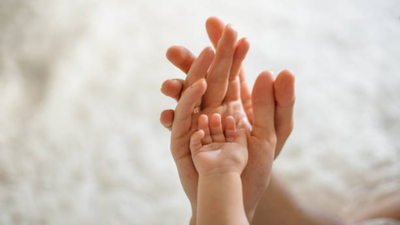
Ask any adult to think back on their childhood, and something strange happens. The expensive toy that took months of begging usually fades into a blur. But the afternoon your father taught you to ride a bicycle, or the way your mother hummed while braiding your hair before school, those little moments stay crystal clear, decades later.There’s a reason for this, and it isn’t sentimental drama. It’s how the human brain is wired.
28 Jul 2026 | 16:22
How do you teach children about money and financial responsibility?
Children are constantly absorbing the world around them, but what actually sticks isn’t the object in their hands. It’s the feeling that goes with it. The warmth, the attention, the feeling of being really seen. And once you understand why, it changes the way you think about parenting, gift-giving, and simply spending time with the kids in your life.
The brain remembers feelings before it remembers facts
Long before a child can form full sentences, they’re already building emotional memory. A study from Brigham Young University found that five-month-old babies remembered shapes far better when those shapes were introduced alongside a happy voice, compared to a neutral or angry one.The babies couldn’t talk, couldn’t reason, couldn’t even sit up on their own yet emotion alone was enough to shape what stayed in their minds a full day later. This isn’t just a baby thing. Researchers studying older children have found similar patterns of memories tied to strong emotion, whether joyful or upsetting, tend to be recalled with far more clarity and detail than emotionally flat ones.A peer-reviewed study published in Frontiers in Psychology looked specifically at how emotional tone affects children’s recognition memory, and found that emotionally charged experiences leave a deeper imprint than neutral or purely factual ones.
What actually makes kids happy isn’t what we assume
According to the Journal of Happiness Studies, when researchers sat down with over a hundred children between six and thirteen and asked them, in their own words, about the happiest moments they’d shared with their parents, the answers weren’t about toys or gadgets.The themes that came up again and again were things like playing together, spending time on outings, small acts of affection, and shared laughter. Material gifts barely made the list.It’s a gentle but important reminder. We often assume kids are keeping a mental scoreboard of what we bought them. In reality, they’re keeping score of how present we were.
Why toys fade but moments don’t
There’s an interesting wrinkle here, though. Research led by marketing professor Lan Nguyen Chaplin found that younger children, roughly ages three to twelve, actually report more in-the-moment happiness from physical toys than from experiences, simply because a toy can be picked up and touched again, while a memory can’t be held in your hands.But by the teenage years, that flips entirely. Adolescents consistently say experiences bring them more lasting joy than possessions do.The takeaway isn’t that toys are bad. It’s that the emotional context around them who gave it, how it felt, what happened that day is what eventually outlives the object itself.
The real gift is attention, not price
None of this means birthday presents or new shoes don’t matter. They do, especially to a child who genuinely needs or wants them. But somewhere between one holiday and the next, most of those gifts stop being remembered as objects and start being remembered as evidence proof that someone cared enough to notice, to show up, to sit on the floor and play for twenty extra minutes.Kids don’t grow up cataloguing what was under the tree. They grow up remembering who made them laugh until it hurt, who wiped their tears without rushing them, who looked them in the eye and made them feel like the most important person in the room.That feeling, more than anything wrapped in paper, is what they’ll carry with them for the rest of their lives.