
iPhone Fold, Pro and Pro Max: Apple’s biggest iPhone gamble in years gets a launch date

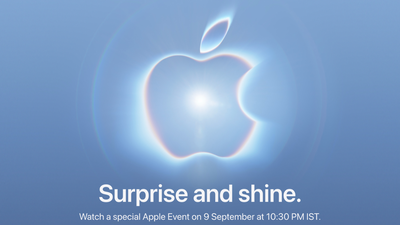
Apple has sent invites for its ‘September event’. iPhone-makers ‘Surprise and shine’ event is set for September 9. Apple September iPhone event is usually the most predictable date on the technology calendar. New iPhones arrive, the Pro models get the biggest upgrades, cameras improve and prices are debated. This year could be very different.If reports around Apple’s 2026 plans are accurate, the company could use its September event for arguably the biggest restructuring of the iPhone portfolio in years. Two changes stand out: Apple is expected to finally enter the foldable smartphone market, while the regular iPhone 18 may not launch alongside the Pro models at all.That would leave the September lineup dominated by Apple’s most expensive phones — the iPhone 18 Pro, Pro Max and its first foldable iPhone. The standard iPhone 18 is instead expected to arrive in spring 2027.And all of this is happening just as the smartphone industry enters an uncomfortable new era of higher hardware prices.
Apple could do for foldables what it has done before
Apple will be arriving extremely late to foldables. Samsung has been selling them since 2019, while Google, Oppo, Honor and others have spent years solving problems around hinges, durability, thickness and screen creases. Yet foldables remain a niche category, accounting for less than 3% of global smartphone sales. That is precisely why Apple’s arrival matters.The company has repeatedly entered categories after rivals and then helped push them towards the mainstream. The Apple Watch was hardly the first smartwatch, nor were AirPods the first wireless earbuds. Apple’s strength lies in taking an existing idea, making it easier to understand and putting it in front of a huge installed base. IDC has forecast global foldable smartphone shipments to grow about 30% in 2026, driven significantly by Apple’s entry. Counterpoint has separately projected a 20% increase.For Samsung, this creates both an opportunity and a problem. Samsung executives have publicly welcomed Apple’s expected entry, arguing that another global player will expand the category. There is logic to that: Apple could effectively validate a form factor Samsung has spent seven years on and has also largely succeeded.But Samsung also risks losing something important — ownership of the foldable conversation. Until now, a premium book-style foldable has largely meant Galaxy Z Fold. Apple entering the category changes that. Also, Apple is unlikely to compete on price. Current expectations put the first foldable iPhone above $2,000, with some estimates stretching towards $2,500. That could make it one of the most expensive mainstream smartphones Apple has ever sold. Oddly, that price may help rather than hurt its strategic purpose. Apple does not need the Fold to become the biggest-selling iPhone immediately. It needs the device to create excitement at the top of the portfolio and establish a new premium tier above the Pro Max.
Where will the regular iPhone go
The second change may be less glamorous but equally important. Apple is reportedly splitting its iPhone launch cycle. The iPhone 18 Pro and Pro Max are expected in September, alongside the foldable, while the regular iPhone 18 and iPhone 18e could move to spring 2027.For consumers, that means something unusual: there may be no new “vanilla” iPhone at Apple’s biggest hardware event of the year. For Apple, however, the strategy makes considerable sense.The September event would become an unapologetically premium showcase. Instead of a $799-ish entry point sitting beside far more expensive devices, attention would remain on models carrying the highest margins and biggest technological upgrades.It could also smooth Apple’s sales cycle. Rather than concentrating nearly the entire iPhone launch in one quarter, Apple can create another major upgrade window six months later. But there may be another reason why separating cheaper and expensive iPhones suddenly makes sense: RAMageddon.AI-driven demand for memory is pushing DRAM and NAND prices sharply higher. IDC says memory can account for 15-20% of the bill of materials of a mid-range smartphone and 10-15% of a flagship. It expects manufacturers to respond by increasing prices, cutting specifications or doing both.Apple itself is reportedly examining cost reductions for the regular iPhone 18, including cheaper display specifications and changes to chips and components, as RAM costs rise. It is part of a much broader smartphone trend. Oppo, Vivo, Realme, OnePlus, Samsung and others have already begun raising prices in India as memory and component costs increase. Qualcomm, too, is raising processor prices from September.Premium phones are better placed to absorb those increases because component costs represent a smaller proportion of their selling price. Which makes Apple’s expected September strategy particularly interesting. At precisely the moment when smartphones are becoming more expensive, Apple may be removing its mainstream model from its biggest launch and doubling down on the expensive end. September 2026 could therefore be remembered not simply as the year Apple finally made a folding phone. It could be the moment the iPhone itself became a more deliberately premium product.