In 1922, an American engineer built a house from more than 100,000 newspapers; 100 years later the paper walls still survive | World News
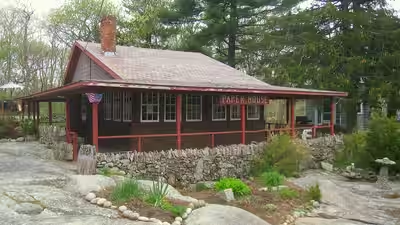
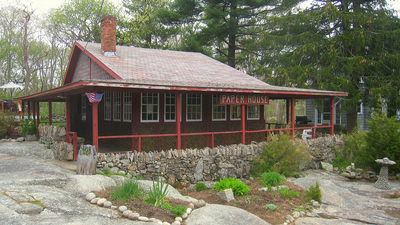
In 1922, an American engineer began building a summer house in Rockport, Massachusetts, with an unusual material in mind: old newspapers. Elis F. Stenman was interested in whether discarded pages could do more than carry the day’s news, so he began pressing and bonding them into the walls of his house. What started as an experiment with paper insulation gradually spread through the building. More than 100,000 newspapers were eventually used, with flour-based glue holding layers together and varnish helping protect them from moisture. The wooden frame remained the house’s structural backbone, but paper became its defining feature. Stenman later made furniture and household objects from newspapers, leaving printed headlines and advertisements visible in parts of the interior. More than a century later, the Rockport Paper House remains an unusual record of an engineer’s attempt to turn a material normally discarded within days into something built to last.
How an American engineer built the 1922 newspaper house
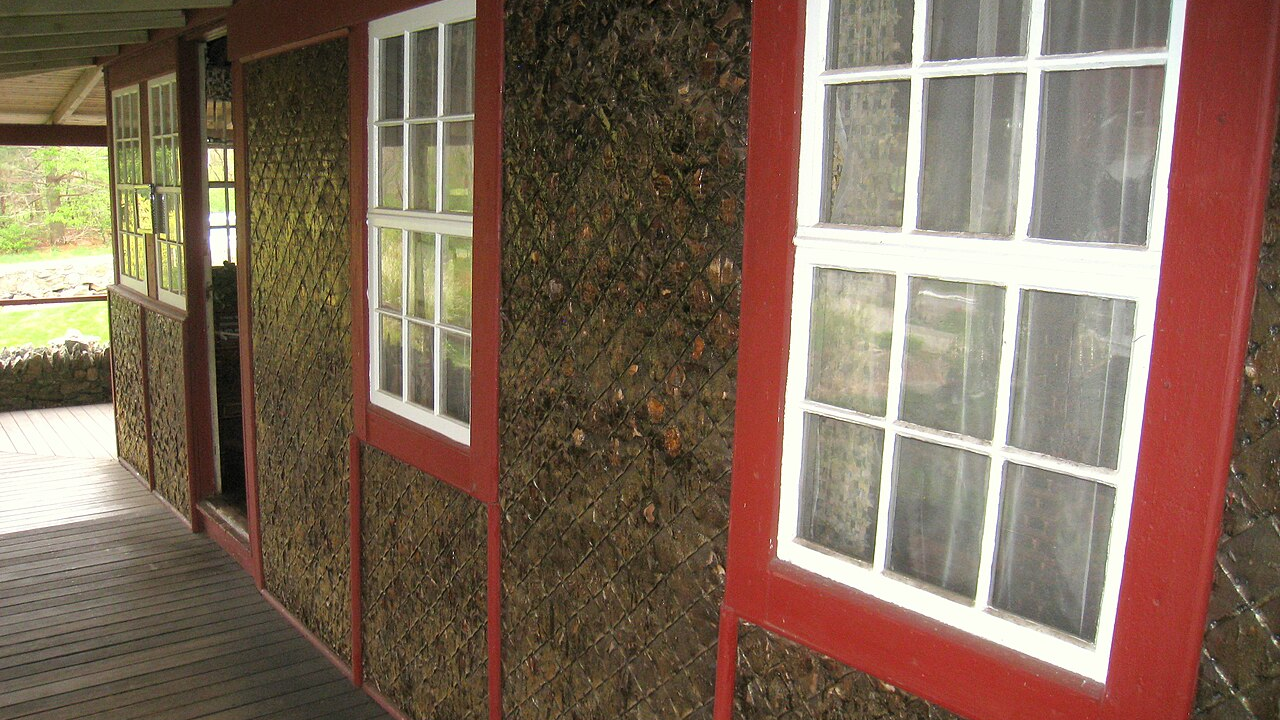
It is easy to imagine the Rockport house as a building made entirely from newspaper, but that is not quite how Stenman’s experiment worked. The basic skeleton was conventional. Wood provided the frame, while the newspaper was used mainly in the walls and other parts of the interior. That distinction matters because the paper was never expected to perform every job required of a building.Stenman began work on the summer house in 1922. According to a report by Click Petróleo e Gás, a news portal based in Brazil, the engineer was interested in the insulating qualities of paper and began collecting large quantities of old newspapers. Rather than using individual sheets as thin coverings, he built up layers of them, bonding the pages together until they formed substantial sections.The walls were made from repeated layers rather than a single thick sheet. 215 layers of paper in the walls. Seen from outside, the result could still resemble a fairly ordinary small house, but inside, the newspapers remained visible. Headlines, advertisements and pieces of articles were left embedded in the walls instead of being covered completely.There was also an unexpected benefit to leaving the pages exposed. The building became a record of the period in which it was made. The newspapers were no longer simply building material; they carried pieces of the news and commercial life of the 1920s with them.
PC: wikipedia
More than 100,000 newspapers were used to build the paper house
The scale of Stenman’s project becomes clearer when the number of newspapers is considered. More than 100,000 newspapers were eventually used. That meant countless individual pages had to be collected, arranged and bonded before they could become part of the house.The adhesive was homemade. Flour was used as the basis of the glue, helping the sheets stick together as they were built up in layers. Once compressed and bonded, the paper was considerably different from the loose pages people would normally associate with a newspaper. The walls then received another layer of protection. Varnish was applied to the newspaper surfaces, helping to reduce the effect of moisture and exposure. This was particularly important in Rockport, a coastal Massachusetts town where a paper structure would otherwise have faced an obvious problem.The arrangement also explains why the house could survive for so long. The newspapers were not simply left in their original, vulnerable form. They were part of a combination involving the wooden frame, tightly packed paper, adhesive and protective coating. The survival of the house does not mean newspapers became a general replacement for conventional construction. The paper served particular purposes within a larger structure.
How old newspapers were turned into tables, chairs, lamps and clocks
Stenman’s use of newspaper did not stop once the walls were complete. The same material began appearing throughout the interior, where it was turned into objects that would normally have been made from wood or other materials.The house came to contain newspaper tables, chairs, lamps, shelves and clocks. Rolled sheets could be treated almost like narrow wooden sections, then cut and assembled into furniture. Some objects retained the printed pages in a way that made their original purpose obvious. That makes the interior rather different from a conventional recycled-material project. The newspaper is not merely hidden inside a wall. In places, the words and pictures remain part of the finished object.Other unusual details associated with the house include paper-covered household items and furniture constructed from newspaper rolls. The pages themselves became part of the visual character of the building. Some of the surviving material offers a glimpse into the period. Reports about contemporary events, advertisements and newspaper headlines remain caught between layers of paper. The house therefore contains two kinds of history: the story of Stenman’s experiment and the stories that were printed on the material he used.By the time the project had developed into its fuller form, almost every part of the interior that could be adapted to paper had been drawn into the idea. The frame and other elements that needed conventional construction remained, but newspaper had taken over an extraordinary amount of the visible space.
How the newspaper house survived for more than a century
The longevity of the building can make the experiment sound simpler than it was. Paper remains vulnerable to water, and it is combustible. The varnish protected against moisture, but it did not transform newspaper into a material with all the properties of brick, timber or other conventional building products. This is one of the important points behind the house’s survival. It was not newspaper alone that lasted for more than a century. The wooden framework continued to provide the structural support, while the paper was layered, bonded and protected. The experiment also gained a second life after Stenman’s work was completed. The house eventually became a museum, preserving not only the unusual construction method but the pages themselves. As the outer layers age and deteriorate, newer fragments underneath can become visible, revealing pieces of printed material that had been hidden for decades.There is something unusually literal about that process. A newspaper normally has a very short useful life. It is printed, read and discarded, often within a day. Inside the Rockport house, the same material became part of a building that outlived the people who had first read those pages. Finding new uses for paper, cardboard and cellulose fibres once their original purpose has ended. Modern materials made from such fibres are developed to meet very different technical requirements, particularly around moisture, strength and fire resistance. Stenman’s house was a much more personal and improvised experiment.Still, its walls remain a physical reminder of what happens when an everyday material is treated differently. In 1922, old newspapers were gathered for an engineer’s unusual building project. Decades later, the house contained not only newspaper walls but paper furniture and objects, while the wooden frame quietly continued doing the structural work beneath it. More than 100,000 newspapers became part of that experiment, turning something designed to be read briefly into a material that has remained in place for generations.