
In 2021, NASA sent microscopic “Water Bears” to the space station; the nearly indestructible animals were raised through four generations in orbit |
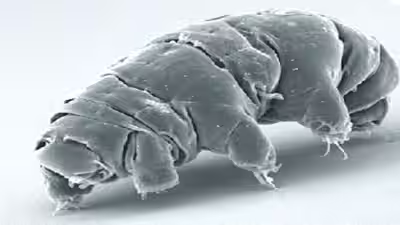
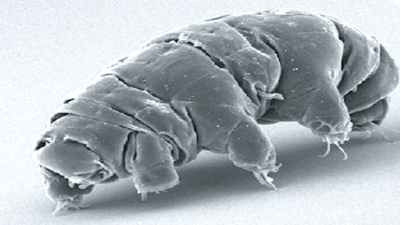
Although invisible to the naked eye, tardigrades are renowned for their ability to survive extreme conditions, including desiccation, freezing, high temperatures and intense ionizing radiation. Their remarkable resilience is largely associated with their ability to enter a dormant state called cryptobiosis, as described by NASA. Their unusual ability to tolerate extreme environments made tardigrades useful model organisms for studying biological responses to spaceflight. In June 2021, Cell Science-04 sent Hypsibius exemplaris to the International Space Station, where the animals were cultured in NASA’s Bioculture System and studied over short and multigenerational periods.How the experiment took placeThe Cell Science-04 experiment was launched aboard SpaceX’s CRS-22 mission, the company’s 22nd Commercial Resupply Services mission for NASA, on June 3, 2021, and the Dragon spacecraft reached the International Space Station on June 5. The organisms arrived at the space station in a dormant state, were awakened, and placed in a special Bioculture System, an orbital culture device developed by NASA’s Ames Research Center to cultivate and observe cell cultures and small organisms while controlling their environment remotely in real time. After the tardigrades were placed in the device in July, the international team behind NASA’s Cell Science-04 experiment was able to maintain and feed them long enough to produce up to four generations aboard the space station. When the work was completed, the cultures were fixed and frozen for return to the principal investigator’s laboratory, where they could be analyzed for changes in gene expression associated with spaceflight.According to Thomas Boothby, a molecular biologist at the University of Wyoming who led the project, he sought to determine whether tardigrades adopted different survival strategies the longer they spent in space and whether those strategies were heritable. In explaining the mission, Boothby said the scientists wanted to find out what “tricks” the tardigrades used and whether their descendants used the same ones or different ones.Why water bears were a good choice for the experimentTardigrades have long been used in space-related studies because they can tolerate extreme environments on Earth and can enter cryptobiosis when exposed to conditions such as severe dehydration. Their ability to survive these stresses makes them useful models for studying how organisms respond to extreme environments, while Cell Science-04 specifically examined hydrated tardigrades living and reproducing in space. In 2007, European scientists sent dried tardigrades into low Earth orbit for 10 days, exposing them to the vacuum of space, cosmic radiation and solar ultraviolet radiation. Most of the tardigrades shielded from UV radiation survived and rehydrated after returning to normal conditions, while only a small number survived simultaneous exposure to the full range of conditions. Some survivors subsequently laid eggs that developed normally, as documented in the study Tardigrades survive exposure to space in low Earth orbit, published in Current Biology.
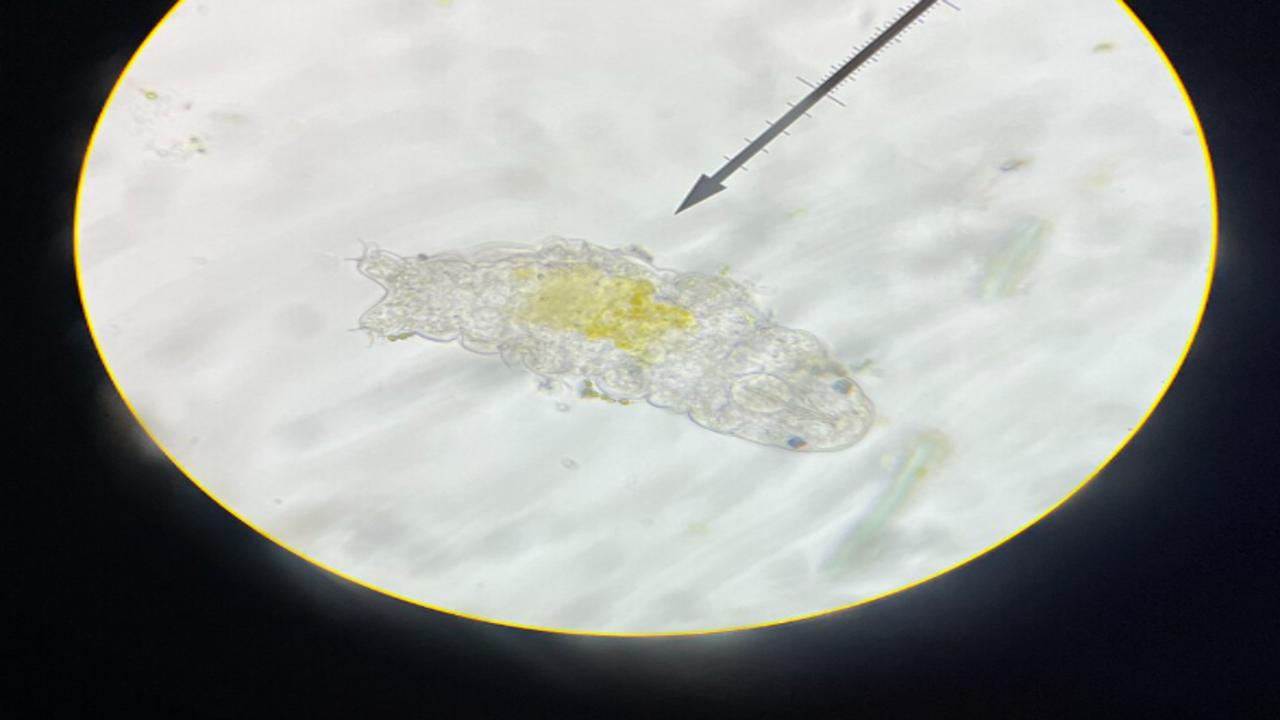
An Italian study in 2011 called TARDIKISS took some tardigrades into orbit via the shuttle mission STS-134, and they survived at a rate of 91% or greater. Space travel had no significant effect on the tardigrades’ life-history characteristics, although the ones sent to space reproduced more than the control group left on Earth. Unlike earlier experiments that primarily tested whether tardigrades could survive spaceflight, Cell Science-04 cultured hydratedHypsibius exemplarisinside NASA’s Bioculture System, allowing researchers to monitor their responses over multiple generations. The experiment was designed to identify genes involved in short-term and multigenerational survival and to examine how gene expression changed as the animals adapted to the space environment.What the researchers were looking forGenetics was the main focus of the experiment. Because the genome of Hypsibius exemplaris had already been sequenced, the researchers had a reference point for examining changes in gene expression during spaceflight. By analyzing gene expression across short-term and multigenerational samples, the Cell Science-04 team aimed to identify genes involved in adapting to spaceflight conditions. NASA has described antioxidant production and other stress-response pathways as possible mechanisms of interest, but the public Cell Science-04 materials continue to frame these as research targets rather than presenting a definitive set of post-flight genetic findings.A tiny animal with important implications Tardigrades were already well known in biology for their survival abilities. Cell Science-04 extended that research by studying hydrated animals that were eating and reproducing in space for multiple generations, rather than testing only whether dormant specimens could survive a journey into orbit. By examining changes in gene expression under those conditions, the experiment was designed to improve scientists’ understanding of how organisms respond to prolonged spaceflight and potentially inform efforts to protect astronauts during long-duration missions.