
Japan’s Kyu-Shirataki station became famous for one schoolgirl who used the remote stop daily before it closed on her graduation day | World News
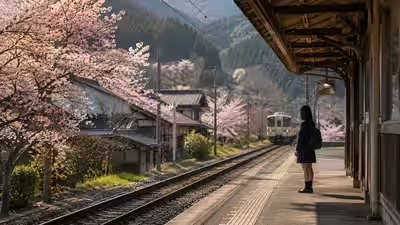
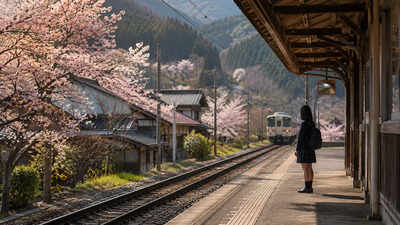
In a remote corner of Hokkaido, Japan, a nearly deserted railway station became the centre of a story that travelled around the world. Kyu-Shirataki station, on the Sekihoku Main Line, had very few regular passengers, but one high-school student, Kana Harada, relied on the stop to travel to school. She boarded the morning train from the tiny station and returned in the afternoon, making the railway an important part of her daily education. In 2015, JR Hokkaido announced that Kyu-Shirataki and several other lightly used stations would close in March 2016 because of low passenger numbers. The closure happened around the time Harada graduated, helping fuel the widely shared story that the railway had deliberately kept the station open for her. However, as Bloomberg and subsequent reporting noted, the full story is more nuanced; the closure had already been planned as part of a broader timetable change. Even so, Kyu-Shirataki became a memorable symbol of how a remote transport link could shape one student’s access to education.
How Kyu-Shirataki Station became a vital school link for one girl in rural Japan before closing in 2016
Kyu-Shirataki Station stood in a sparsely populated part of Hokkaido, Japan’s northernmost main island. The unstaffed stop served the single-track Sekihoku Main Line, connecting communities across a remote stretch of the island. By the time the station became internationally known, passenger numbers had fallen dramatically. Among its few regular users was Kana Harada, a high-school student travelling to school in Engaru. She typically boarded the morning service at Kyu-Shirataki and returned on an afternoon train. Other passengers occasionally used the station, but Harada was its only regular passenger. The stop’s location mattered because using another station would have made her journey considerably more difficult. Kyu-Shirataki therefore provided a practical connection between her rural home and her school, allowing her to continue her education without having to make a much longer journey before even reaching the railway.
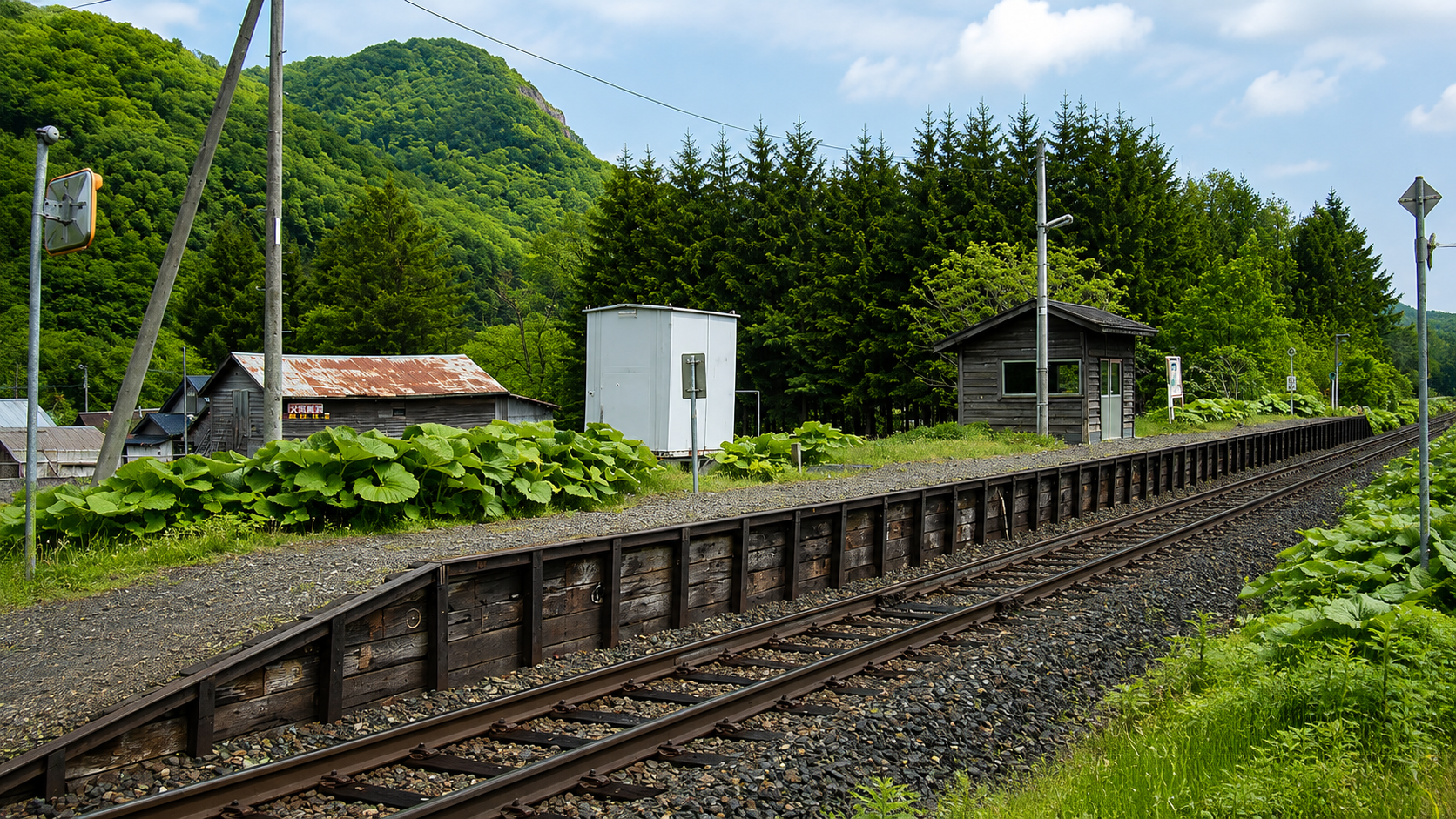
How Kyu-Shirataki Station became a vital school link for one girl in rural Japan before closing in 2016 (Image: Wikipedia)
The schoolgirl became the station’s most familiar passenger
For Harada, the station was not a tourist curiosity or an engineering landmark. It was simply part of her morning routine. Her parents drove her to the station, where she would wait for the train to take her towards school. Once aboard, she joined other students and passengers who had boarded at earlier stations. The journey itself could take around an hour. Her school schedule also meant that she had limited flexibility in the afternoon, as only certain trains stopped at Kyu-Shirataki. Missing the appropriate service could mean a significant delay before she could return home. That routine made the little station unusually important to one person. As passenger numbers elsewhere declined, the contrast became striking: a railway stop that served almost nobody was still part of a teenager’s daily route to school. It was this human detail that eventually transformed an obscure rural station into an international story.
The station’s closure was not actually arranged just for her
The most widely repeated version of the story claimed that JR Hokkaido had decided to keep Kyu-Shirataki open specifically until Harada graduated. The story was emotionally compelling, but later reporting established that this was not quite accurate. JR Hokkaido had announced in July 2015 that several stations, including Kyu-Shirataki, Kami-Shirataki and Shimo-Shirataki, would close when the timetable was revised in March 2016 because of extremely low usage. The decision therefore came before the story became an international sensation. The fact that Kyu-Shirataki’s final day coincided with Harada’s graduation helped create the impression that the railway had deliberately timed the closure around her education. There is no clear evidence that JR Hokkaido changed its plans specifically because of her. Even the station name was confused in some early reports, with the viral story initially identifying Kami-Shirataki rather than Kyu-Shirataki as the stop used by the student. The distinction matters, but it does not erase the significance of the story. Harada really was a regular school commuter using an extremely low-traffic station, and the station really did close around the time she completed high school.
Kyu-Shirataki became a symbol of education and access
The final train stopped at Kyu-Shirataki on 25 March 2016, after which the station was closed. Harada’s last journey was particularly memorable because it coincided with the end of her school years. The station itself was later dismantled. What remained was the image of a teenager waiting alone on a snowy platform in rural Hokkaido, using a railway connection that most people would have considered too insignificant to maintain. That image helped turn Kyu-Shirataki into a global symbol of the value of access to education. The real story is therefore less about a railway company running an entire station solely for one passenger and more about how a tiny piece of infrastructure can become enormously important to an individual. For Harada, Kyu-Shirataki was a link to school, classmates and a future beyond her remote hometown. And although the station’s closure was part of a wider railway decision rather than a special arrangement made solely for her, its final chapter coinciding with her graduation gave the forgotten stop a remarkable place in modern railway history.