The wounds of 1947 and the stories that endure
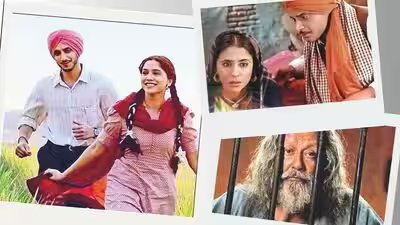
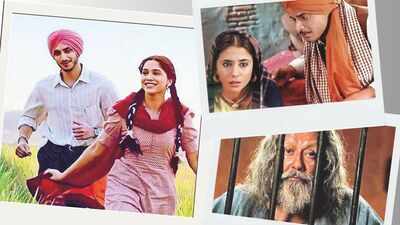
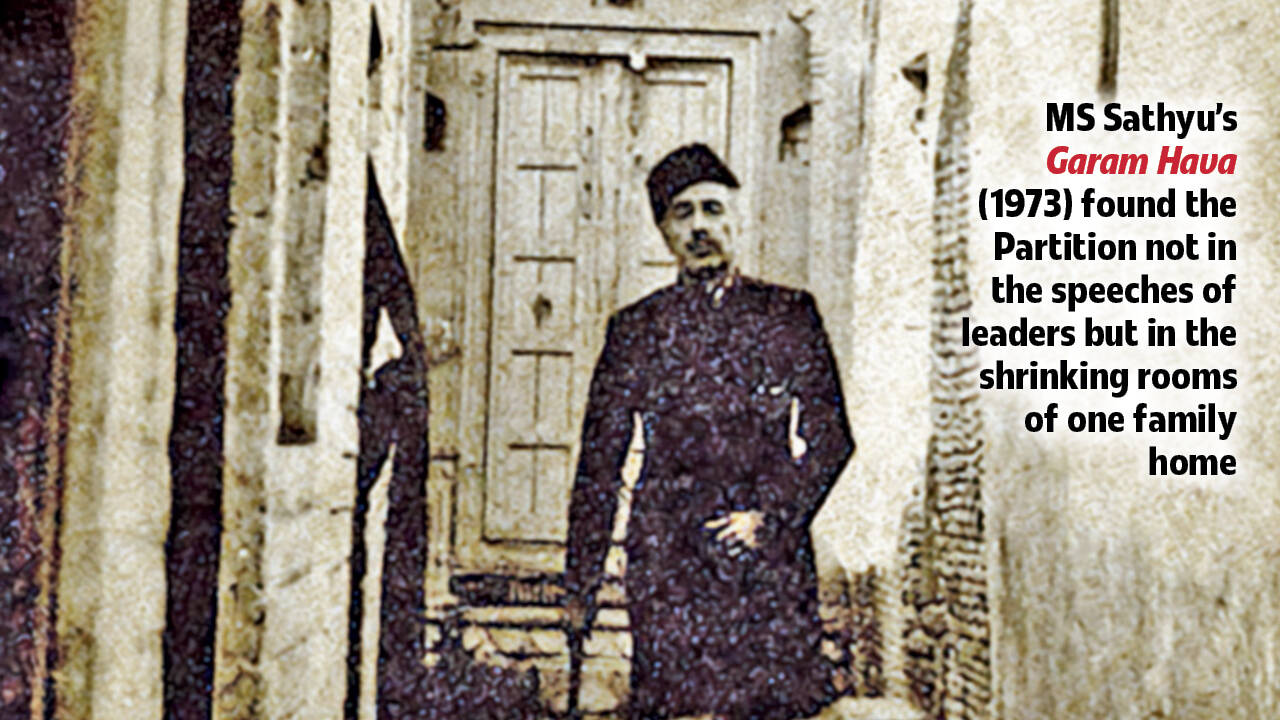
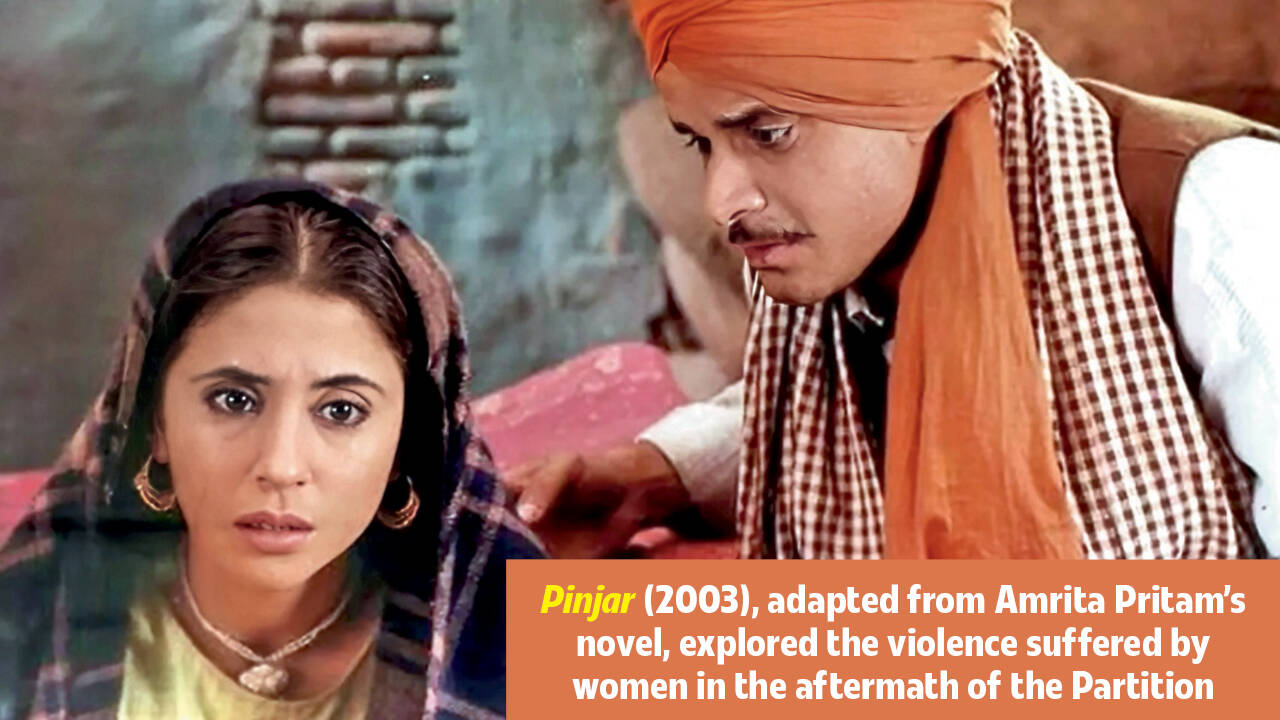
Every August, India celebrates freedom through familiar images: the tricolour, the speeches, the familiar photographs of Jawaharlal Nehru on the eve of Independence. But the dawn of that freedom was overshadowed by the Partition for many families. Tens of millions were uprooted, lakhs killed, and countless lives scarred forever. For many who lived through it, the memory never faded. For those who came later, its echoes still shape identity, politics, and belonging.Through fiction, poetry, and memoir, the narrative around the Partition has often circled back to one question: How did it impact the people? From Garam Hava (1973) and Tamas (1988) to Begum Jaan (2017), Freedom At Midnight (2024), and Main Vaapas Aaunga (2026), cinema has repeatedly returned to 1947.
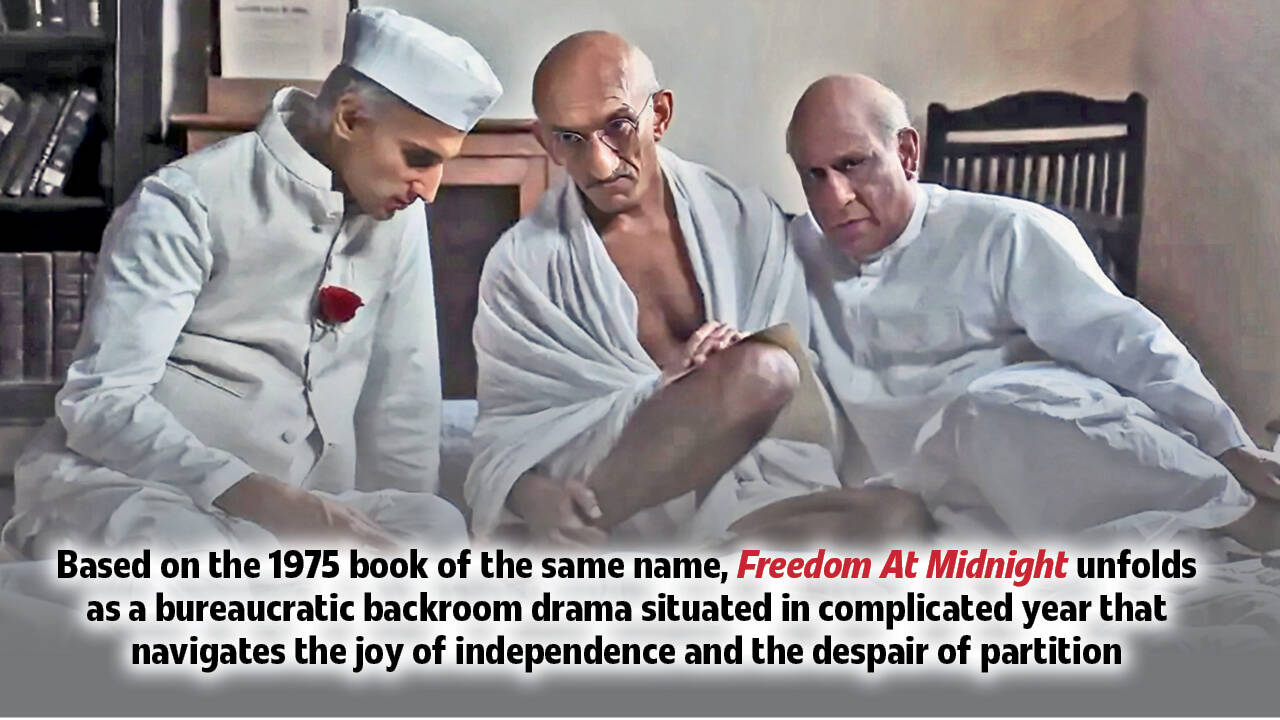
Neville Tuli, archivist and curator, says, “The drawing of a line has enormous consequences.” Millions died. Lives were uprooted. The pain continues. But the task of cinema, he argues, is not merely to criticise what happened. It is to transform pain into something that can give people “renewed strength to face it differently.”Partition’s political history remains on screenOver the last eight decades, while many films told personal stories of loss and despair during the Partition, works highlighting its politics didn’t disappear. Nikkhil Advani’s Freedom At Midnight, which premiered in 2024, returns to the political and historical machinery of 1947, placing leaders, negotiations and the making of the Partition at the centre of its narrative. While Begum Jaan approaches the Partition through the intimate upheaval of a home divided by a border, Freedom At Midnight turns its gaze towards the political decisions that shaped that border.
There was another turn in mainstream cinema. With Gadar (2001), Partition became the backdrop for a muscular revenge drama, with the border functioning less as a site of memory than as an adversary. Its enormous popular success demonstrated that the Partition could also be absorbed into mainstream nationalism and spectacle.For writer Vaibhav Vishal, who co-wrote Gandhi, this distinction is important. If some earlier films approached the Partition through tragedy and displacement, Gadar shifted the lens towards revenge. Main Vaapas Aaunga, he argues, represents something different again: a film that can return to the same history without making the political conflict its central dramatic engine.The early films on the Partition focused on the lived experienceThe early films about the Partition were made by filmmakers who were either witnesses to the event or belonged to its immediate aftermath.
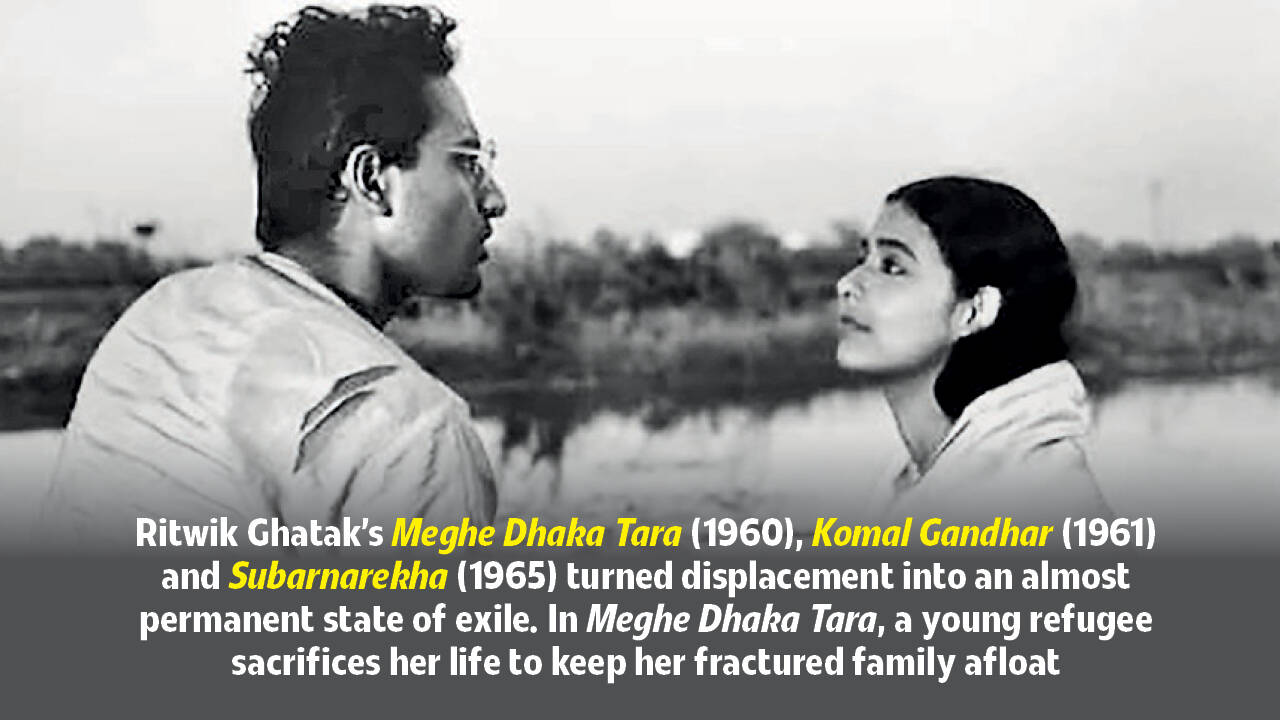
“These were films not only about what had happened, but also about what was happening to an entire generation,” says writer Vaibhav Vishal, who has co-written Hansal Mehta’s historical drama series Gandhi. For Vishal, the distinction between that cinema and the work being done today is partly one of distance. The earlier films, he says, had a “primarily societal” lens. They were made by people who had lived through the Partition or belonged to the first generation after it. “They could see the intense damage,” he says, and there was an urgency to bring out “the pain that engulfed an entire generation”.
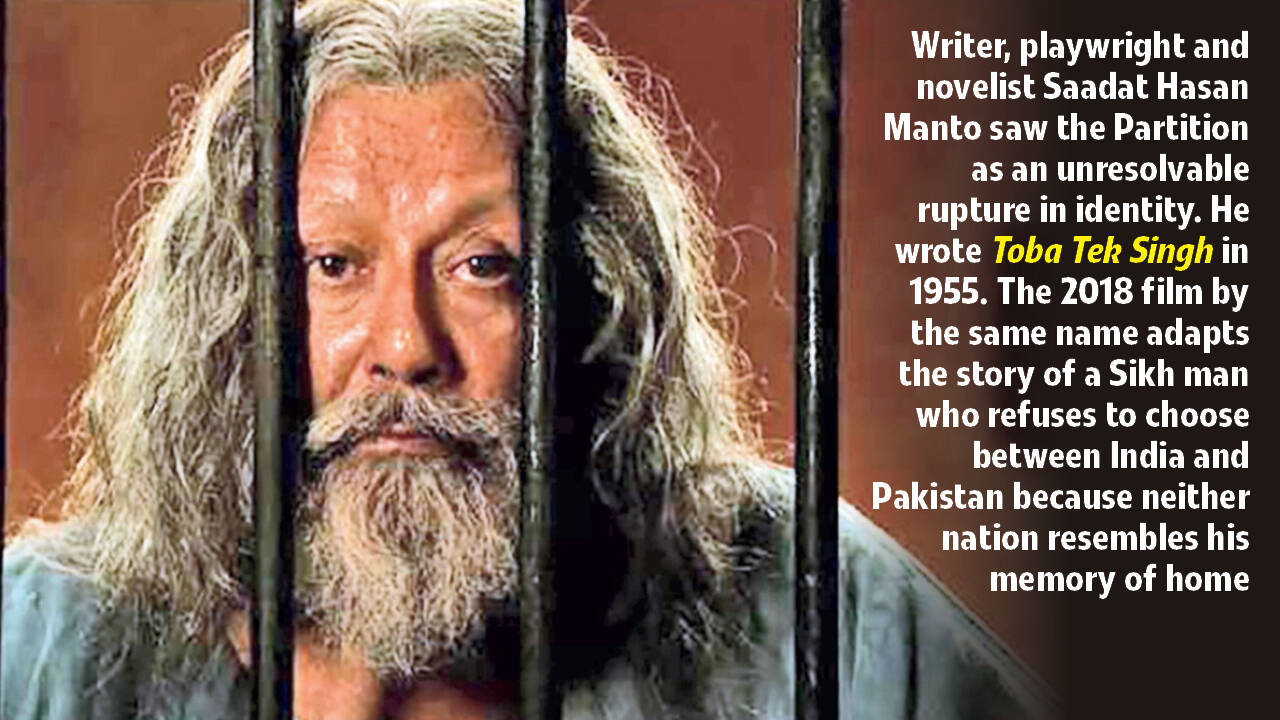
Writer, playwright and novelist Saadat Hasan Manto saw the Partition as an unresolvable rupture in identity. He wrote Toba Tek Singh in 1955. The 2018 film by the same name adapts the story of a Sikh man who refuses to choose between India and Pakistan because neither nation resembles his memory of home.Nandita Das’s Manto (2018) placed the writer at the centre, asking what an artiste does when the world around him becomes morally incomprehensible. This shift – from depicting the Partition to examining the artiste’s relationship to the Partition – marked a new register in cinema’s engagement.
With Main Vaapas Aaunga, I didn’t want to report an incident: Imtiaz AliImtiaz Ali says he never wanted to make a Partition film simply to “report an incident”. What interested him were the small stories that survived: first love, old homes, the details of objects people had carried through their lives. Ali’s film, in that sense, is less interested in the border than in what exists on either side of it: memories, longing, love, architecture, absence.
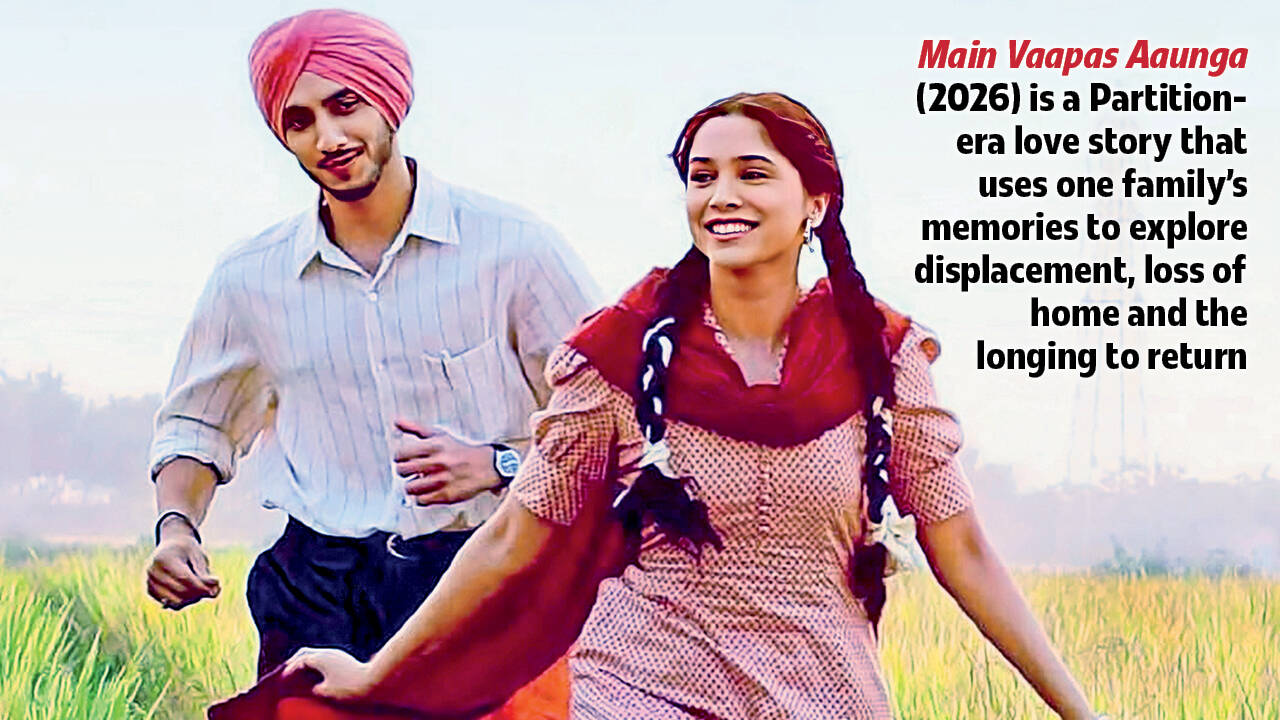
Vishal sees this as a generational shift. With most of the people who actually lived through the Partition now gone, filmmakers have a certain distance from the event. “With Main Vaapas Aaunga,” he says, “we are looking at intimate memories, at tales that were not told, at stories that could have been.”Aanchal Kapur, founder of Kriti Film Club and someone whose family history comes from both sides of the border, sees the same thread continuing in the families and films that carry these memories forward. For her, Partition remains “a critical thread for intergenerational memory keeping”, a way of understanding where we are &, the future we do not want to repeat.