
In 1970, a Texas couple refused to sell land inside a proposed national park; in 1972, they received $55,000 and the right to remain for life | World News
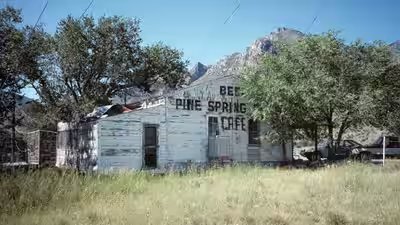
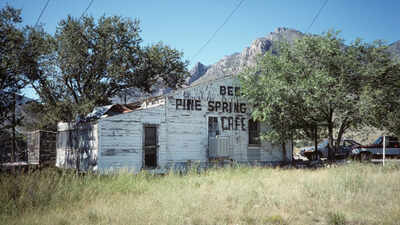
Deep in West Texas, along US Highway 62/180 at the base of the Guadalupe Mountains, a land dispute unfolded. According to the National Park Service database, Walter Glover purchased land near Pine Springs as early as 1913, and in 1914 he and his wife, Bertha, began developing a tourist stop there. Over the following four decades, the couple transformed their remote homestead into a roadside stop for cross-country motorists. They built a gas station, a general store, a small café, and several rustic guesthouses to serve long-distance drivers travelling between El Paso and Carlsbad. However, their peaceful life was disrupted in 1964 when federal authorities announced that their eighty-acre property was slated for inclusion in the proposed Guadalupe Mountains National Park. The couple said they would not voluntarily give up their home and business to government buyers.Park officials said the Glover parcel was essential to the park’s future operations. According to National Park Service records, the property sat at a strategic point, providing the main access route into Pine Spring Canyon and including the stone ruins of a Butterfield Overland Mail stage station. Early negotiations between federal land acquisition agents and the landowners made little progress because the couple wanted to keep their independence. The NPS historical profile says Bertha Glover told negotiators they would not sell for less than $1 million and refused to let federal appraisers onto the property. As the years passed, the status of the Glover acreage became one of the main obstacles to formally establishing the park. In April 1970, Park Service Assistant Director Edward Hummel proposed a compromise. Hummel proposed buying the property while giving the Glovers a life estate that would let them live there and keep operating the store for the rest of their lives.The legal standoff at Pine SpringsWhen Walter and Bertha Glover rejected the proposal, federal authorities began condemnation proceedings to acquire the site in court. A March 1972 judgment awarded the Glovers $55,000 for their 80 acres, with the presence of water wells cited as justification for the $20,000 increase over government appraisals. The judgment also gave the couple the right to use and occupy the property as it was then improved until the death of the last surviving spouse. The Glover property was the last piece of land acquired before Guadalupe Mountains National Park was officially established on September 30, 1972. Despite the dispute, the store remained open. Walter Glover died in 1973 at the age of ninety-four, and Bertha continued to operate the store by herself for the next decade. The National Park Service account says Bertha maintained a working relationship with nearby park staff.
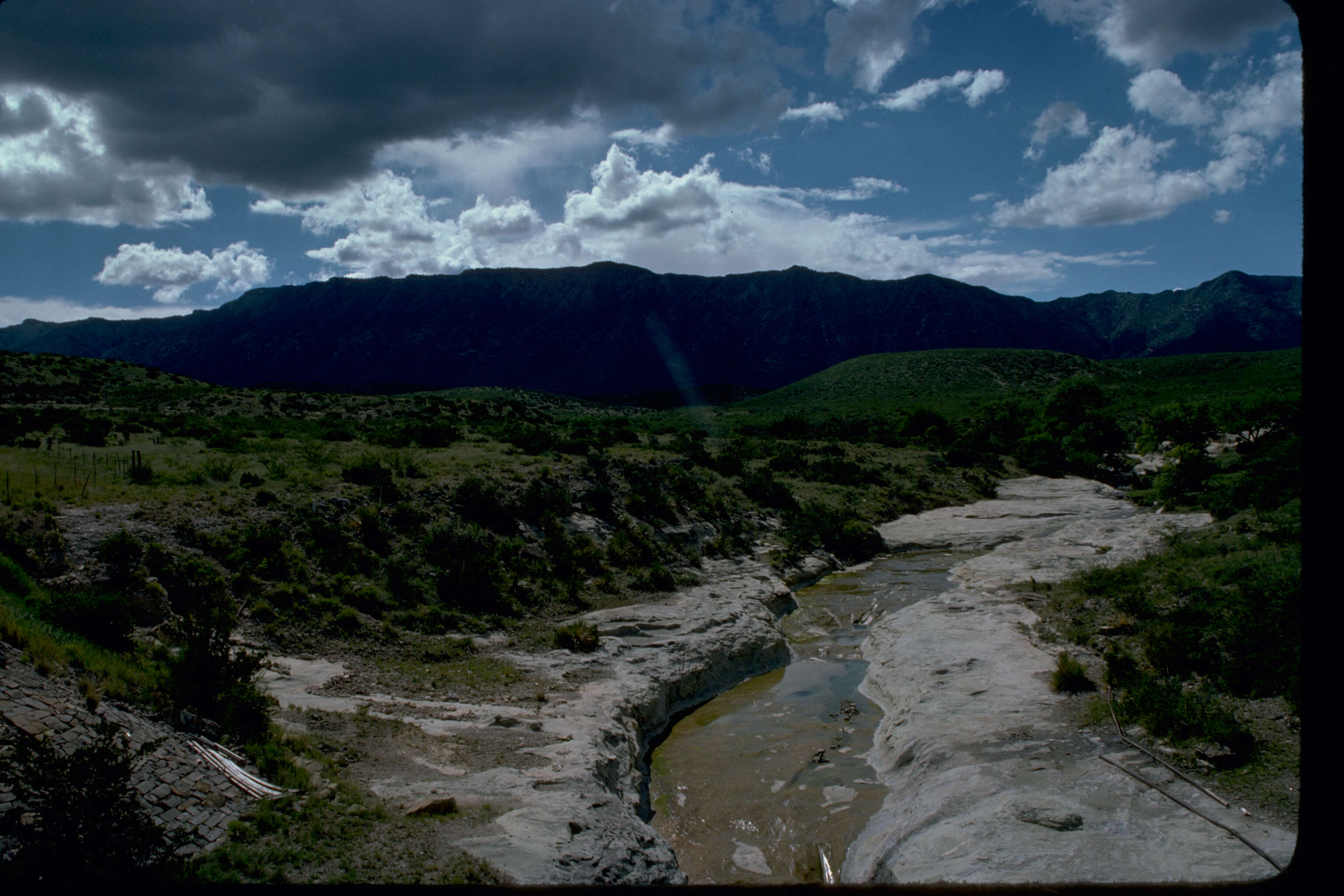
Despite years of resistance to selling their cherished home and business, the couple eventually received $55,000 for their eighty-acre estate. Their experience sheds light on the complex struggle between individual property rights and the push for public conservation efforts. Image Credits: Wikimedia Commons
A quiet legacy along the desert highwayAfter Bertha Glover died in August 1982 at age 89, park staff met with the couple’s daughter, Mary Glover Hinson, to discuss closing the business and vacating the buildings. An engineering and architectural review cited by the National Park Service found that restoring the ageing wooden store and café to meet modern safety codes would be too costly. Park managers later removed the wooden structures in the 1990s to restore the desert landscape.For travellers on US Highway 62/180, the Glovers’ story remains part of the area’s public-land history. The National Park Service account presents the dispute as an example of the tension between private property rights and public conservation. The former Pine Springs Store site now stands as a reminder of the families and businesses that once occupied land that later became part of the national park.