
In 1924, Hollywood brought 14 bison to Catalina Island for a movie; when the film crew left, the animals stayed and eventually multiplied beyond 500 | World News
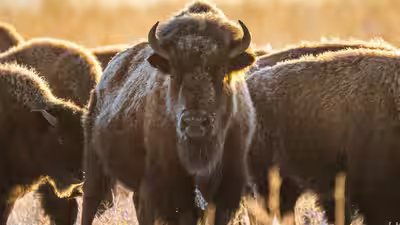
Picture wooden crates thudding onto a harbour on a sunny California island in winter 1924. In them were 14 American bison, each weighing about 1,500 pounds. They blinked at their strange new home. According to local folklore, a film crew from Hollywood brought them to Santa Catalina Island for a western movie and, once filming ended, left them on the island. Whatever the real story, those 14 bison were the beginning of a herd that would someday multiply many times over, and decades later, become the subject of one of the more unusual wildlife conservation efforts in America.A Hollywood legend nobody can quite proveAsk a Catalina local why bison live on the island, and many will tell you the same story: the animals were shipped in for a Zane Grey western. Although it makes for an interesting story, the historians who have researched it say there is little hard evidence that the bison ever appeared on camera in that particular film. Some historical sources even indicate that the bison might have been brought separately, while the story of the movie became part of legend over the years. Either way, no one alive today can say for sure why those first 14 animals were brought to the 75-square-mile island, where bison had never lived before.Why bison were rare enough to notice at allBy the time those 14 animals arrived on Catalina in 1924, American bison were still recovering from one of the most dramatic wildlife collapses in US history. Tens of millions once roamed North America, but commercial hunting and deliberate extermination campaigns in the 1800s reduced the species to only a few hundred animals by the 1880s, pushing bison to the brink of extinction within a single generation. Early conservation efforts, including captive breeding programs and protected herds in places like Yellowstone, pulled the species back from the brink in the decades that followed, though populations never came close to their original scale. That backdrop matters for the Catalina story: any bison herd in the early 1900s, wherever it ended up, was part of a species still climbing back from near-total loss, which is part of why genetic purity in surviving herds later became such a serious conservation concern.
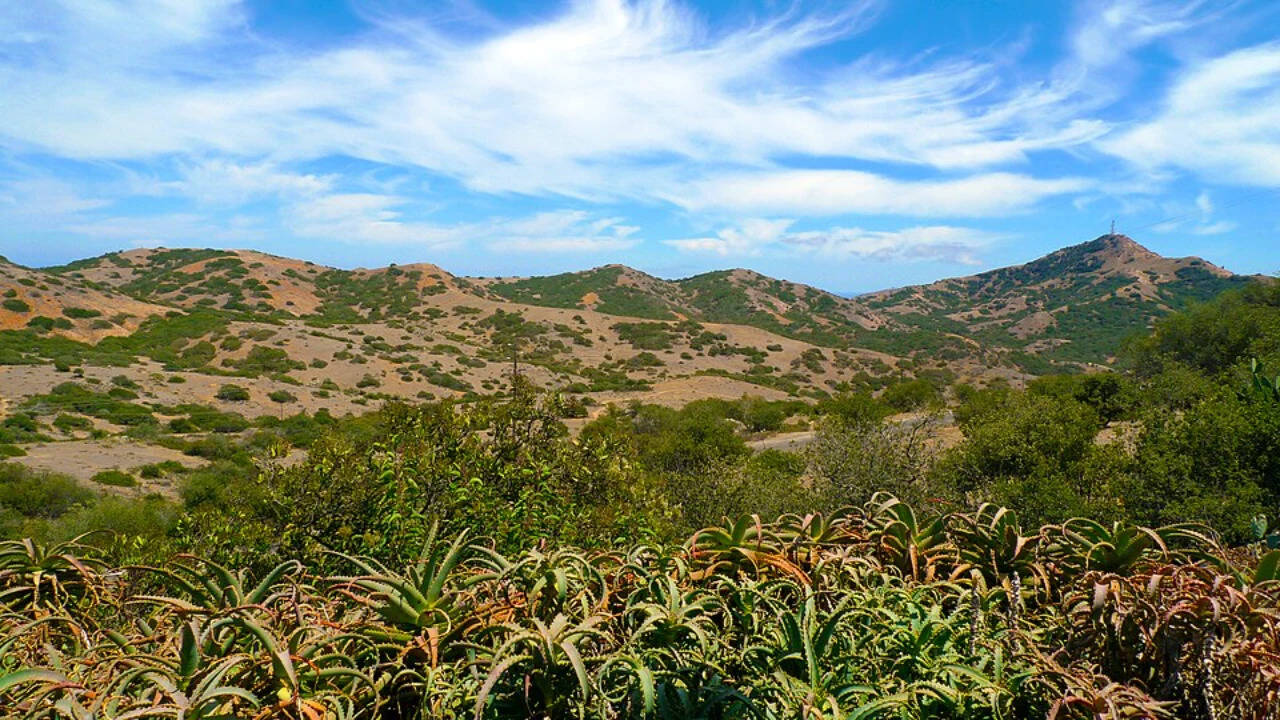
Catalina’s dry, Mediterranean-style landscape was never built to support a large herd of bison. Image Credits: Wikimedia Commons
From fourteen to a herd of hundredsOnce on Catalina, the bison did more than survive; they flourished. In 1934, William Wrigley Jr., the then-owner of the island, added nine more bison to the herd. Locals embraced their unlikely new neighbours, and gift shops began selling bison souvenirs. A local bartender also created a bison-inspired drink. According to the study, ‘Effects of prolonged immunocontraception on the breeding behaviour of American bison,’ published in the Journal of Mammalogy, in 1987, the number of bison in the herd exceeded 520, which is a dramatic increase from the initial 14. But that growth came at a cost.What the growing herd did to the landBison aren’t native to Catalina’s dry, Mediterranean-style landscape, so a big herd of heavy grazers leaves its mark. The study, ‘Dispersal of non-native plants by introduced bison in an island ecosystem,’ published in the journal Biological Invasions, found that bison were spreading seed from non-native plants across the island in clumps of hair they shed when they wallowed and in their dung. The same research notes that wallowing disturbed uncovered ground and increased soil erosion. Eventually, Catalina’s rare native plants, some found nowhere else on earth, struggled to compete.A twist hiding in their DNAThe Catalina bison are not pure bison. A genetic analysis of 98 bison taken off the island in 2004, published in the journal Animal Genetics, found that 45 per cent had mitochondrial DNA from domestic cattle. Many carried cattle ancestry, probably from cross-breeding on the mainland long before they reached the island. Therefore, the study’s authors recommended against using Catalina bison to repopulate wild herds elsewhere, to avoid introducing cattle genes into genetically pure bison populations.
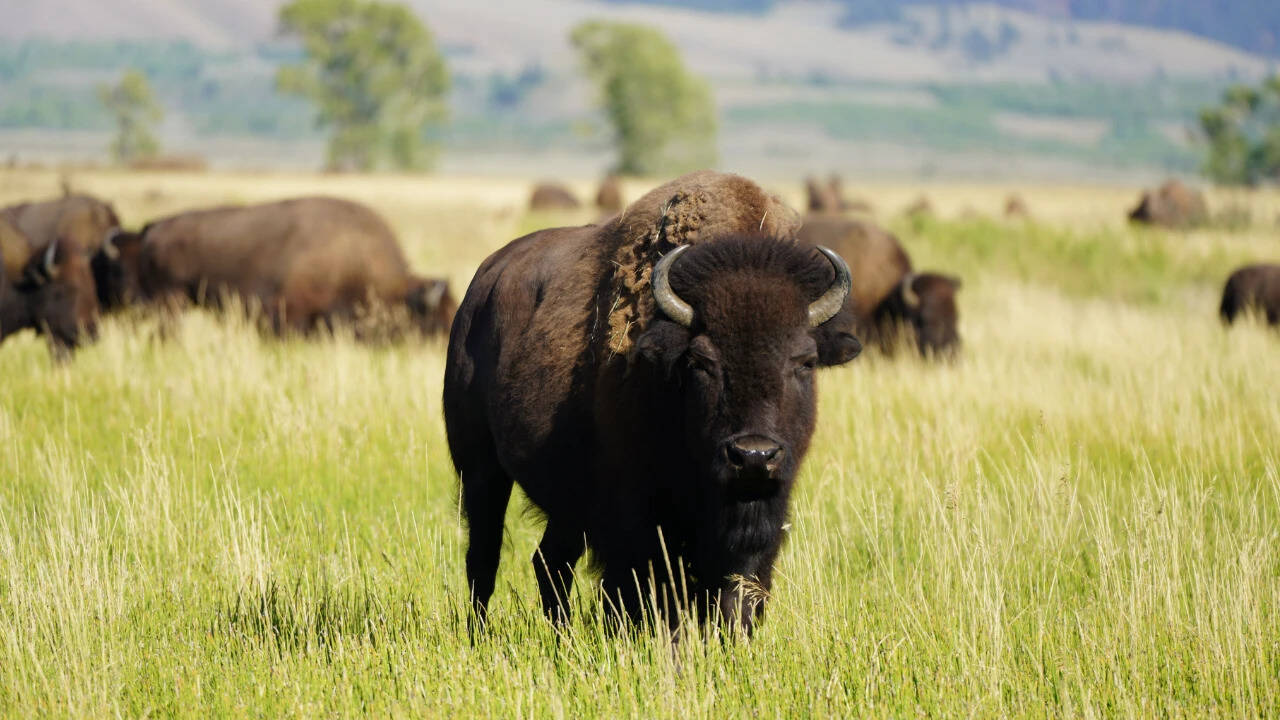
The bison herd grew steadily for decades before conservationists stepped in to manage its size. Image Credits: Pexels
The island’s quiet population controlBy the 2000s, the herd had grown too large for the island to sustain, and the animals showed signs of malnutrition. Instead of continuing to transport bison from the island, the Catalina Island Conservancy took a novel approach. In late 2009, managers started vaccinating female bison with the immunocontraceptive vaccine, porcine zona pellucida, also known as PZP. The Journal of Mammalogy study carefully tracked the outcome and concluded that the vaccine caused population growth to cease in one year. What was even more surprising was that the vaccinated bison showed no sign of resuming their normal reproductive behaviour for four to five years even after the vaccinations stopped, a much longer effect than the researchers anticipated. Even after that delayed effect would have worn off, reproduction never resumed; researchers now point to the herd’s advancing age and declining overall health as the likely reasons calving hasn’t restarted.What happens next?Today, the wild population surges are gone. Managers originally aimed to hold the herd at around 150 animals when the contraception program began, but with no calves born since 2013, the herd has been reduced to approximately 90 animals, and none are currently reproducing. While some residents consider the bison an integral part of Catalina’s history and hope to keep them on the island, others believe that Catalina’s fragile ecology, which is home to species that exist nowhere else, should take priority. Conservancy staff say the herd’s future is considered each year, taking into account ecological, animal welfare, and historical factors concerning the island’s signature inhabitants. A century since those 14 animals first set foot on Catalina, no one knows how their tale there will finally end.