
Meet Katie Stagliano, the 9-year-old American who, in 2008, grew a 40-pound cabbage; it fed 275 people and inspired 100 youth-run gardens |
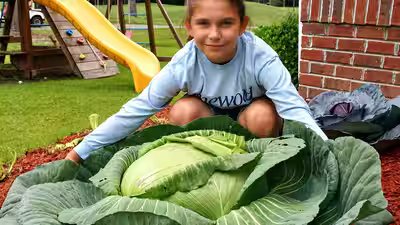
Most of us probably throw away our school science projects as soon as the grades are in. Katie Stagliano didn’t. Back in 2008, when she was a third-grader in Summerville, South Carolina, she grew a cabbage seedling for a class project. Now in her late 20s, Stagliano is still known for what happened next. She kept caring for the plant long after the project ended. That single seedling grew into a 40-pound cabbage, and instead of eating it, she donated itSpeaking to UC Food Observer back in 2016, in an interview published on PBS SoCal, Stagliano shared how one oversized cabbage from her own backyard turned into a full-blown mission to fight hunger across the US. The interview traced how that first cabbage inspired her to start Katie’s Krops, a nonprofit she launched as a child and later grew into a network of youth-run gardens that donate fresh produce and meals to people in need. By 2016, the group had expanded well beyond her backyard, with thousands of pounds of food being grown and shared through local garden plots and community support.A cabbage too big for the dinner tableThe Stagliano family couldn’t possibly eat 40 pounds of cabbage on their own, so the then 9-year-old Katie and her mum took it to Tri-County Family Ministries, a soup kitchen near their house. The kitchen turned it into a meal that fed 275 people at one sitting. Katie watched strangers thank her for one vegetable, and wondered how much a whole garden could feed. That question became the seed of a much greater effort.
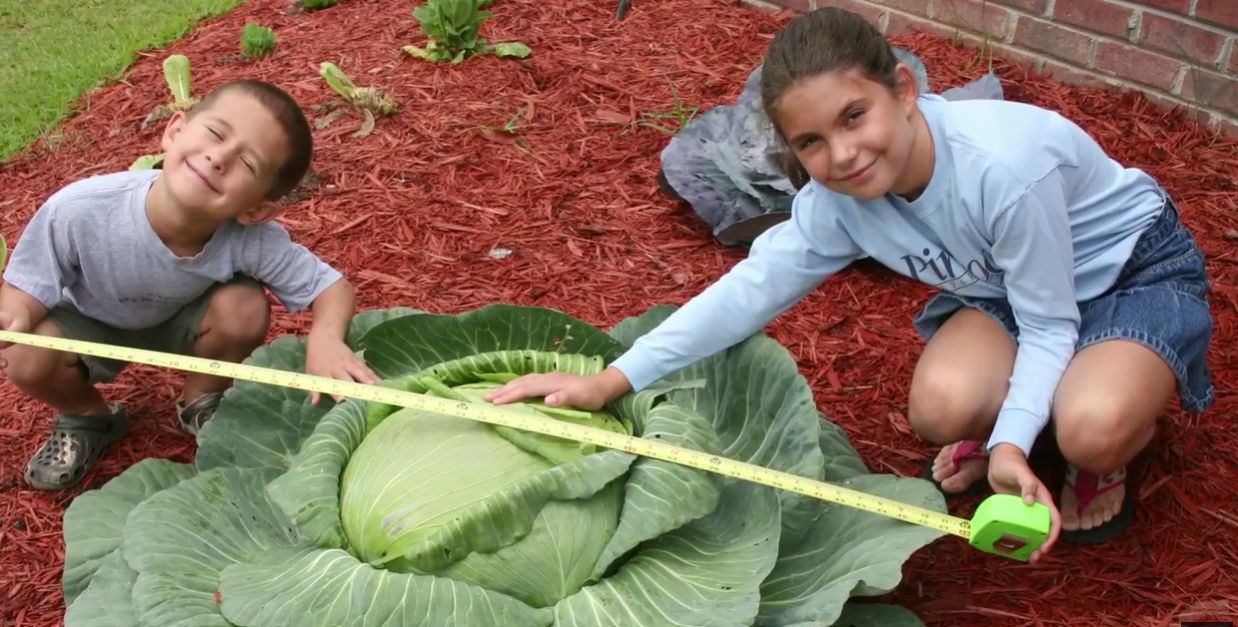
The cabbage that started it all: 40 pounds, grown in a backyard in Summerville, South Carolina. Image Credits: NationSwell/Youtube
From one garden to a nationwide movementWeeks later, Katie started Katie’s Krops, a nonprofit that teaches children how to start and run their own vegetable gardens, then donate everything they grow to soup kitchens and food pantries. Her school, Pinewood Preparatory School, offered her the chance to plant her flagship garden on campus, and her family got involved too: her mother now acts as the president of the organisation and her brother runs his own Katie’s Krops garden. What started as one backyard plot has grown into a network of more than 100 youth-run gardens in about 33 states, according to the organisation, which says they have donated more than half a million pounds of produce.Why handing kids a trowel actually helpsThere’s also some evidence behind the idea. A 2015 review, ‘School Gardens Enhance Academic Performance and Dietary Outcomes in Children,’ in the Journal of School Health, led by University of Wisconsin-Madison researchers, examined a dozen US school garden programmes. The study notes that most of the programmes did lead to children eating more fruit and veg afterwards, though not every programme in the study saw a measurable change in what kids actually reported eating. A few of the programmes even reported improved science and maths scores. The researchers said the evidence base is still developing, but the overall pattern was encouraging: children in garden programmes were more likely to eat fruits and vegetables.The volunteering pays off long after the harvestA 2017 study, ‘Long-term consequences of youth volunteering: Voluntary versus involuntary service,’ published in Social Science Research, followed thousands of American teenagers into adulthood, using a long-running national health survey. The researchers found that teens who volunteered were more likely to continue volunteering as adults and had better psychological well-being than teens who did not volunteer. Both voluntary and mandatory youth service were associated with higher educational attainment and earnings later in life, but the emotional benefits seemed to apply only to those who volunteered because they wanted to. Katie’s Krops, run entirely by kids who sign up voluntarily, fits that model closely.
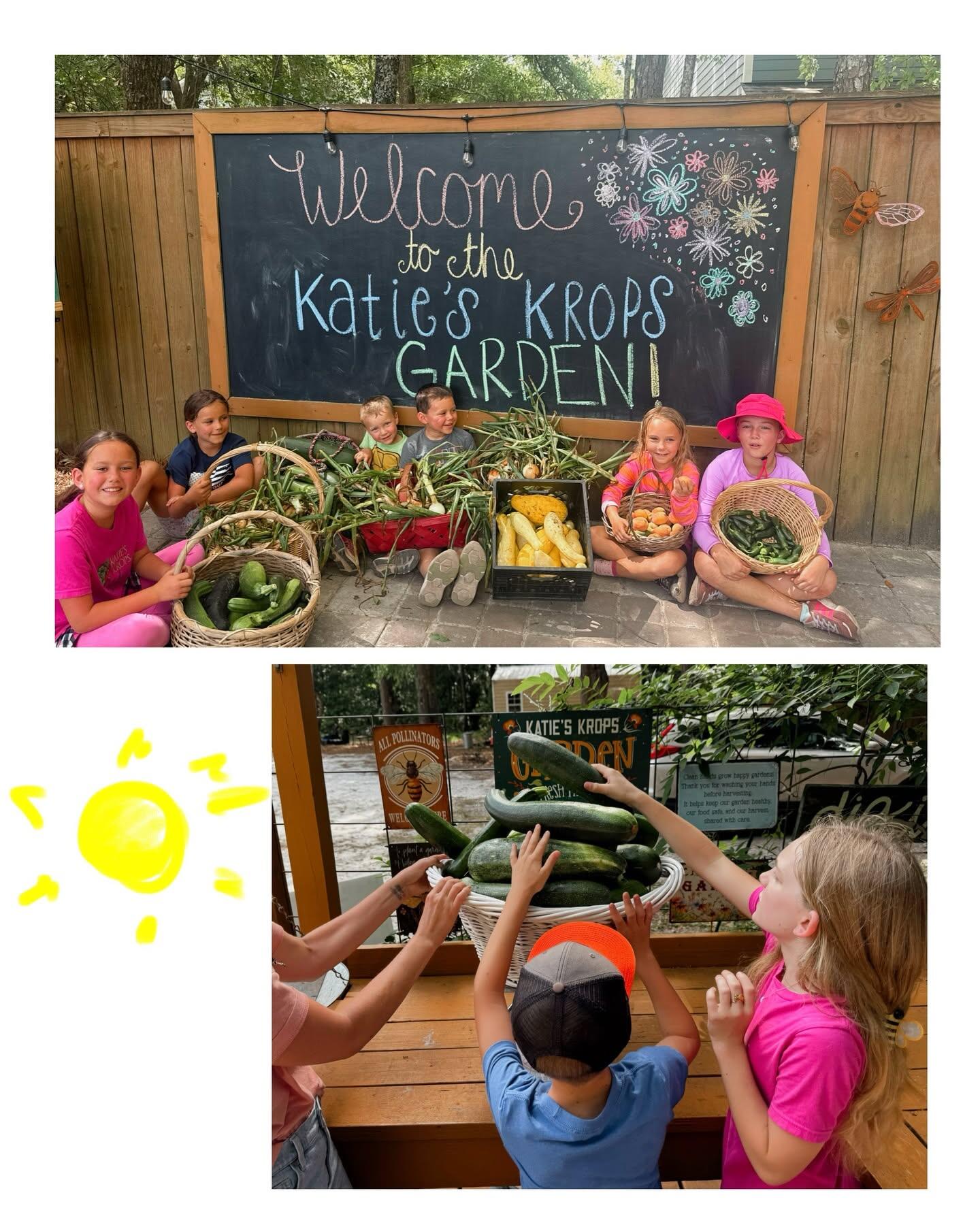
Katie’s Krops now runs on a nationwide network of youth-led gardens. Image Credits: Katie Stagliano/Facebook
Hunger is closer than most young Americans realiseAccording to the most recent USDA report, food insecurity affected 13.7% of US households at some point in 2024, or about 18.3 million households. This is the highest rate in nearly a decade. The same report found that 5.4% of households, or about 7.2 million, experienced a more severe form of food insecurity where eating patterns were disrupted. Katie has talked about a related problem: many emergency food programmes often provide packaged food, and she has connected that gap to rising obesity in food-insecure communities.Why packaged food and food insecurity can go togetherThe link Katie has pointed to reflects a well-documented pattern researchers call the “hunger-obesity paradox.” Shelf-stable, calorie-dense packaged foods are often cheaper and last longer than fresh produce, which makes them a practical staple for food banks and families stretching a tight budget, but they also tend to be higher in refined carbohydrates and lower in the fiber and micronutrients found in fresh vegetables. Public health researchers have found that communities with limited access to fresh produce, sometimes called food deserts, often see both food insecurity and higher rates of diet-related conditions like obesity in the same population, since the most accessible calories aren’t always the most nutritious ones. That’s part of why donations of actual fresh produce, like the vegetables grown through Katie’s Krops, fill a different gap than canned or packaged food drives alone.Katie todayKatie is now in her twenties and still running Katie’s Krops as its founder and executive gardener. In November 2025, the group handed out groceries to South Carolina families affected by a federal government shutdown, 17 years after that first cabbage went to a soup kitchen. She wrote a children’s book along the way, “Katie’s Cabbage,” became the youngest recipient of the Clinton Global Citizen Award and the youngest member of the Clinton Global Initiative.Her cabbage has long been gone. But the idea it left behind, that a nine-year-old with a shovel can actually make a dent in hunger, is one the numbers keep supporting.