Why vultures don’t get sick from eating rotten meat; the remarkable adaptations that make them nature’s ultimate clean-up crew
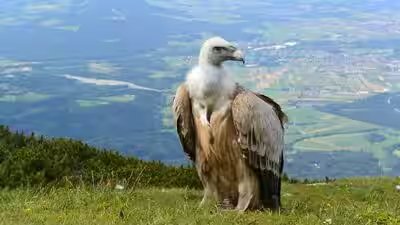
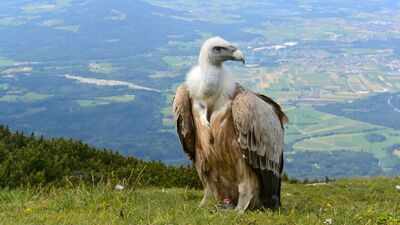
Wondering how vultures can eat a carcass and not get sick? Well vultures may have one of the toughest diets in the animal kingdom but their bodies are built to cope. These birds can feed off carcasses that would make most animals dangerously sick, because their digestive systems are specially adapted to destroy harmful bacteria, tolerate certain toxins, and process decaying flesh with remarkable efficiency.This makes them much more than scavengers. They are nature’s clean-up crew, helping remove dead animals from the landscape, and reducing the spread of disease in the process.A stomach built for decayBy the time a vulture reaches a carcass, decomposition has already begun.The bacteria digesting the meat create chemicals that are toxic to many animals.But vultures have evolved extremely powerful stomach acid that acts like a biological disinfectant, destroying most dangerous microbes before they can cause harm.Researchers studying vulture gut bacteria found that the birds’ digestive tracts are highly selective. Out of the many bacteria found around the beak, only a very small number dominated the gut, showing a strikingly low diversity of microbes inside the digestive system. That suggests the vulture’s gut is not a random home for bacteria; it is a tightly controlled environment shaped by evolution.
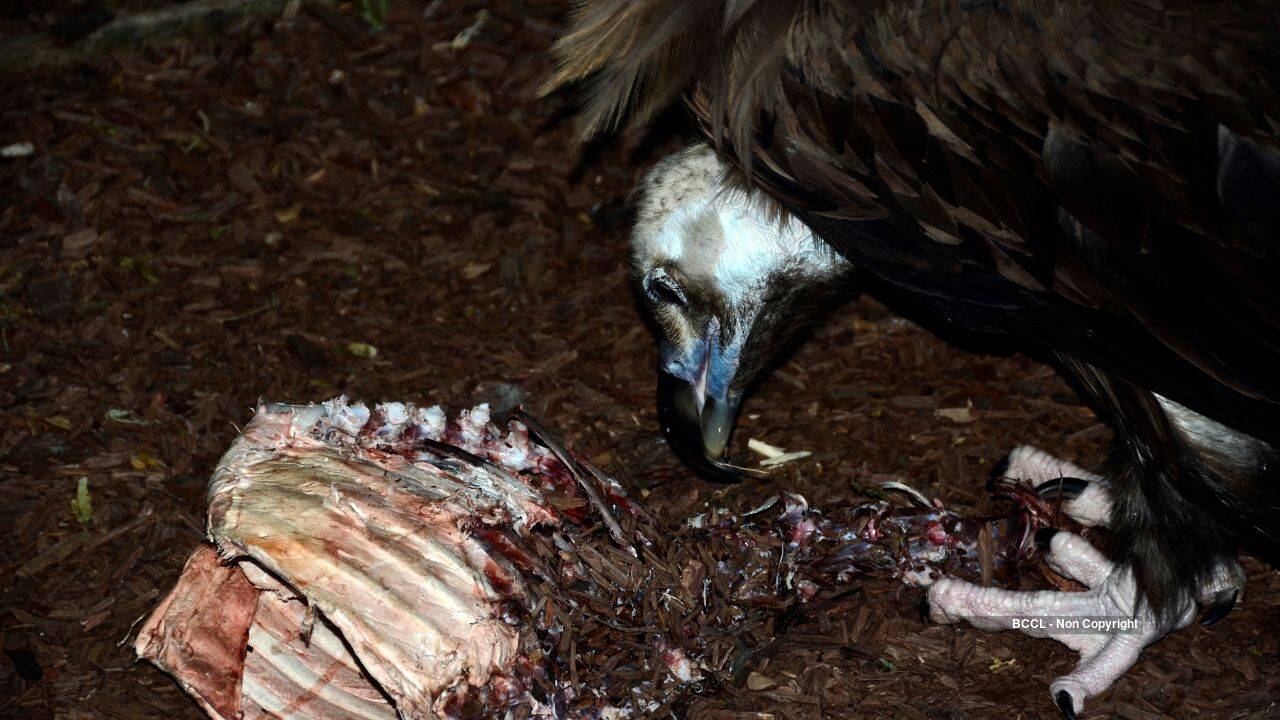
Vulture eating
Their microbes are not ordinaryVulture faces, skin and intestines carry bacteria that would be harmful to many other creatures.Some of these include flesh-eating or toxin-producing microbes, such as Fusobacteria and Clostridia, as per the study. Yet vultures are able to tolerate them, and in some cases even seem to benefit from them.The idea is surprising but important: vultures do not simply survive despite these microbes, they may actually use parts of this bacterial community to help break down nutrients in the food they eat. In other words, their gut ecosystem works like a highly specialized recycling system, turning decay into usable energy.Evolution did the heavy liftingThe TIME report on the study explains that vultures appear to have evolved alongside the carrion they feed on.Their gastrointestinal tracts are extremely selective, killing most dangerous bacteria while allowing some of the more resilient species to flourish in the lower intestine.This balance is the key to their survival. On one hand, the stomach destroys the majority of harmful bacteria. On the other hand, the birds seem to have developed tolerance to microbes that would overwhelm most other animals. That combination is what lets them thrive on food that would sicken, or even kill, creatures of a similar size.Why this matters in natureVultures are often seen as unpleasant because of what they eat, but ecologically they are essential.By eating dead animals before they further decay, they help stop disease spreading to other wildlife, livestock and sometimes even humans. Their role is even more crucial in places where carcasses would otherwise be left to pose a health risk.Their biology also shows how evolution solves extreme problems. Instead of avoiding decay, vultures adapted to it. Instead of fighting the microbes in every meal with brute force alone, they built a digestive system that can filter out danger, tolerate the rest, and still extract nutrition from something that looks unusable to most animals.The bigger lessonVultures are a reminder that nature rarely wastes anything. What looks like decay to us is, for them, a dependable food source supported by millions of years of adaptation. Their stomach acid, gut microbes and immune tolerance together make them one of the most efficient and underrated survival specialists in the animal world.