
Obese at 14, diabetic at 24: How Kerala’s fast food habit is ageing its teenagers fast | Kochi News
KOCHI: Given a chance to go back in time, Pragalbh PS (31) would change only one thing — the way he treated his health. As a teenager, he was obese, loved good food and rarely exercised. Like many of his peers, he was focused on studies and chased ambitions, never imagining that his lifestyle would catch up with him so soon. At 24, everything changed. He suddenly started losing weight and was easily exhausted. Alarmed, his parents — aware of the family history of lifestyle diseases — immediately took him to a doctor. Tests confirmed Type 2 diabetes. Since then, he has been dependent on medication.“In this fast-paced life, we focus on marks and personal ambitions but ignore our body and health that are key to our wellbeing and future. Good health should be inculcated in us from childhood with emphasis on better food choices and exercise,” said Pragalbh. He now values his health more than anything else in life but admits that attempts to eat healthily and exercise regularly often hit a roadblock as fatigue is permanent and his job as a sales professional makes it very difficult to stay disciplined. “It is a vicious circle of life-long financial burden added with new diseases,” Pragalbh said. He also has cholesterol and fatty liver disease. Beyond cultural folklore — like the adage ‘life begins at 40’ — doctors now warn that there are many like Pragalbh for whom “lifestyle diseases begin much before 40” or even in their teens.
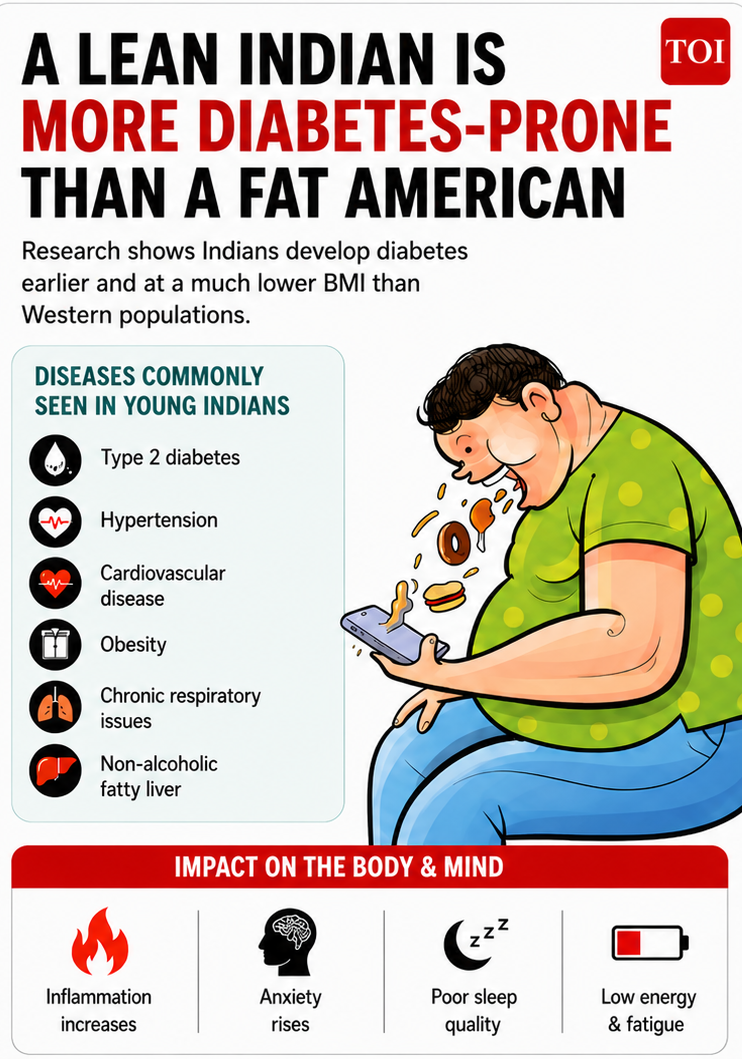
Indians are more prone to diabetes
Higher prevalence of obesity added with overdependence on fast food and ultra-processed foods, with little to no exercise, has doctors in Kerala worried as lifestyle diseases increase manifold here. No surprise then that an increasing number of youths in the state are no more shy of taking GLP-1 (glucagon-like peptide-1) drugs like Mounjaro and Ozempic, primarily used for type 2 diabetes and chronic weight management.“Every other day, hospitals are seeing adults and adolescents below 40 with obesity. Majority would have already tried exercise and calorie restrictions and 50% may lose weight but regain it all or more back. Of them, 25% may have got mental illnesses as well, in the form of insomnia, anxiety, depression, etc. With weight loss, all these symptoms will also disappear,” said Dr Jothydev Kesavadev, diabetologist and organising secretary of the 14th JPEF annual global diabetes convention held in Thiruvananthapuram this month where obesity, lifestyle diseases and GLP drugs were discussed at length.
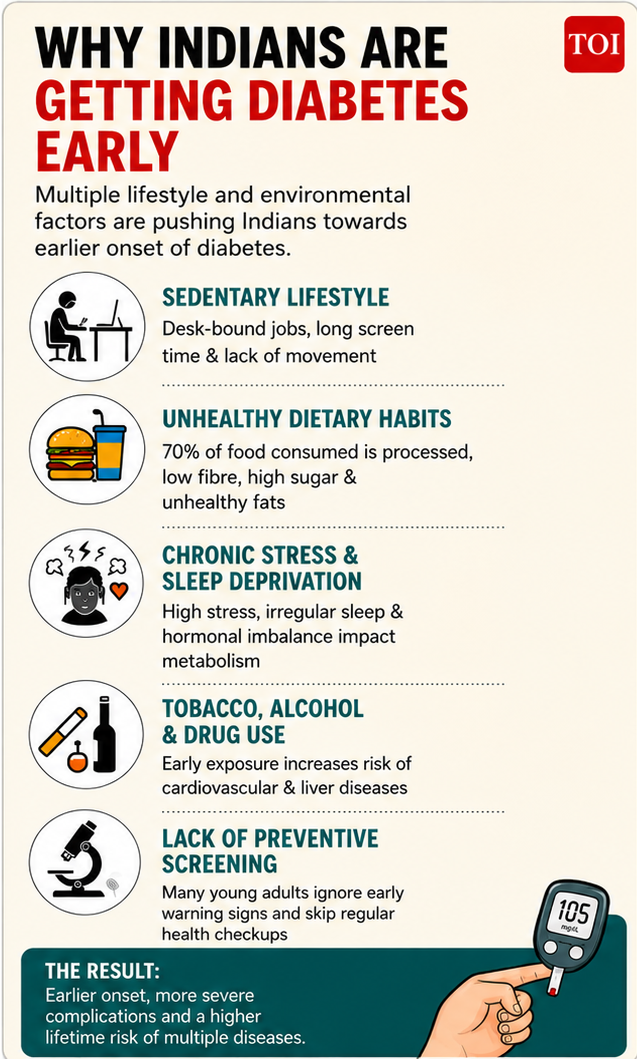
Reasons behind early diabetes
Kerala: A fast-growing market
Doctors said that often obese persons struggle with weight loss and get into a circle of losing and later gaining double the weight, increasing their risk of complications. As a result, many educated and well-earning young professionals are now asking doctors if they can start GLP-1 medication. Pharma companies acknowledge that Kerala is its fast-growing market.“The growth is being driven by a higher prevalence of metabolic disorders such as diabetes and obesity, leading to increased demand for effective treatment options. The market is expected to continue its growth trajectory, supported by ongoing therapy shaping, greater physician and patient awareness, and the increasing recognition of obesity as a chronic disease,” said a Cipla spokesperson.
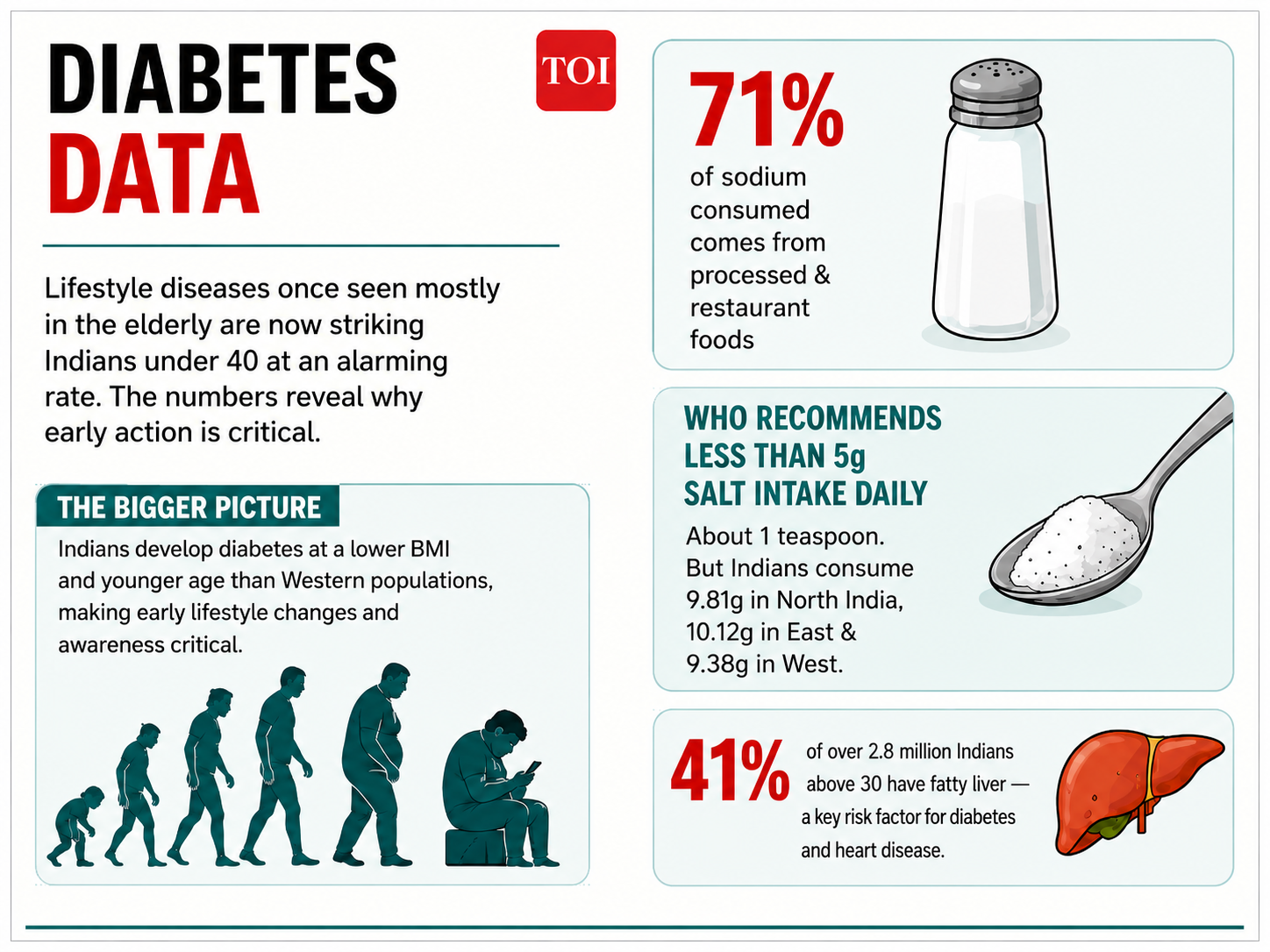
Diabetes data
Cipla now sells dual GLP-1/GIP receptor activation drugs, the market share of which has increased from 5% to 21% in Kerala in the last three months, reflecting strong, robust market penetration.Doctors warn that it should not be considered a magic drug for weight change.“For weight loss, what we need is to rework on lifestyle, lifestyle and lifestyle. GLP1 drugs are just one option to prevent complications, but it is important to integrate lifestyle with GLP1. These drugs have effects as well as side effects,” said endocrinologist and diabetologist Dr Sashank Joshi.He said higher prevalence of childhood obesity was unimaginable a few years ago, but they now see hypertension even in class VIII children.Hypertension is the number one killer in India, followed by diabetes.
Eating clean and exercising regularly
And it is now no more a problem of those in the IT sector. “Sustaining healthy habits is the hardest part. Eating clean and exercising regularly can make all the difference but life often gets in the way. Despite best efforts, often work pressure, travel and personal commitments slowly push health to the sidelines. It is a struggle to stay motivated and be consistent to protect long-term health,” said businessman Sreerag S R, who was diagnosed with hypothyroidism in his 20s and Type 2 diabetes at 40. What our youth eats is a major concern now even as doctors emphasise “fresh, home-cooked food and increased movement”. Added to that, the quality of sleep is cluttered. People sleep less than five hours mainly due to digital toxicity. The shorter the sleep, the higher the blood pressure.“Obesity must be treated with urgency. Diet and exercise may not be enough. The irony is many start medication but stop it after one or two months. Along with a physician, a counsellor or psychologist too must be consulted as they have issues with their body image and impacts their professional and personal lives,” added Jothydev.