
Emily in Paris: 5 Middle Eastern fashion brands from Egypt, Lebanon, UAE that stole the spotlight in season 5 |

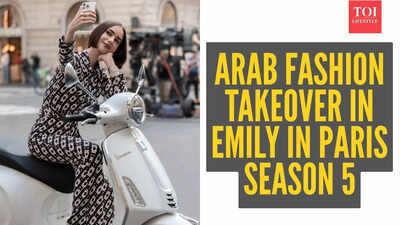
Netflix’s Emily in Paris may be known for its indulgent plot twists and jet-set escapism but this season another narrative is quietly emerging and it is written in style. As Emily Cooper swaps Paris for Rome and Venice, her wardrobe is not just flirting with European fashion houses, it is embracing a vibrant global perspective, notably spotlighting Middle Eastern design talent on one of television’s most watched style stages.While the show’s wardrobe has always been a character in its own right, the recently dropped Season 5 brings a fresh global perspective by elevating Middle Eastern design talent to the international spotlight, weaving regional creativity into some of the series’ most memorable looks. Fashion in Emily in Paris has always been about more than clothes as it is mood, movement, fantasy and a visual language spoken through colour, silhouette and audacity.
However, in the newest season a story of Middle Eastern designers stepping into the global frame is being told, not as novelty cameos but as natural protagonists in contemporary style. This season, Arab fashion does not announce itself but simply belongs.
Egypt designers’ modern craft meets sculptural elegance
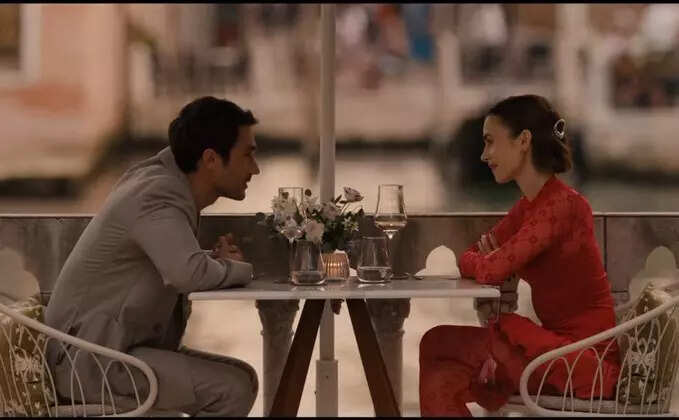
In a final-episode moment set against the romance of Venice, Emily appears in an unapologetically red look that is bold, cinematic, unapologetic. Anchoring the ensemble is the Alhambra bag by Egyptian brand Mesh Mesh, a piece that feels at once playful and architectural.
As Emily moves between Parisian boulevards and Italian backdrops, her wardrobe reveals a deeper, more global sensibility that seamlessly integrates Middle Eastern design into the show’s sartorial universe without explanation or spectacle.
- Mesh Mesh – In the season’s closing moments, set against the cinematic romance of Venice, Emily’s monochromatic red ensemble is punctuated by the Alhambra bag from Egyptian label Mesh Mesh. Sculptural and playful, the bag feels deliberate yet effortless and a reminder that accessories from the region are no longer supporting players but focal points in global fashion storytelling. Mesh Mesh’s presence is bold but not loud, embodying a distinctly contemporary take on craftsmanship that feels at home on any fashion capital’s streets.
- Jude Benhalim – Also hailing from Egypt, Jude Benhalim’s jewellery appears throughout the season in subtle, recurring moments. Rings, earrings and delicate sculptural pieces layer naturally into Emily’s wardrobe, adding texture rather than distraction. Benhalim’s designs are understated yet expressive as modern heirlooms that prioritise form and intention over trend. Their quiet recurrence reinforces the idea that Middle Eastern jewellery is no longer an occasional feature, but a natural part of everyday luxury.
Lebanon labels flaunt couture poise and jewellery drama

Emily flaunts the bold sparkle of Yeprem jewellery
What makes these appearances significant is not their novelty but their ease. These designers are not framed as “Middle Eastern” first but are simply good design, integrated naturally into a global wardrobe. Emily in Paris does not announce this shift but does it need to? The clothes do the talking.
- Maison Rabih Kayrouz – The Lebanese fashion house Maison Rabih Kayrouz continues to embody couture restraint. Its presence in the Emily in Paris universe reflects a fashion philosophy rooted in clean lines, impeccable tailoring and quiet authority. The brand’s pieces feel confident and assured, which is never chasing attention yet impossible to ignore.
- Yeprem – In contrast, Lebanese jewellery maison Yeprem brings drama through sparkle and sculptural brilliance. Its statement earrings and bold designs add moments of glamour that elevate otherwise pared-back looks, striking a balance between artistry and extravagance.
Together, these Lebanese brands represent two sides of the same fashion coin that includes elegance and expression.
United Arab Emirates-based brands highlight effortless glamour with cultural depth
What makes these appearances powerful is their normalcy. Middle Eastern fashion is not framed as exotic, nor explained away. It simply exists as it should, within a global wardrobe shaped by taste rather than geography. This shift reflects a larger movement in fashion itself, where craftsmanship, narrative and individuality outweigh origin labels. Arab designers are no longer being “introduced” to the world, they are being worn by it.
- Dima Ayad – Dubai-based designer Dima Ayad has previously appeared in the series, offering fluid silhouettes and vibrant prints that merge Middle Eastern heritage with modern glamour. Her designs carry an unmistakable sense of movement and ease with garments designed for women who dress for themselves, not for spectacle. Ayad’s work underscores the
UAE ’s growing influence as a hub for contemporary fashion that speaks both globally and regionally.
Fashion without borders
As the show continues to blend fantasy with realism, one truth becomes increasingly clear that fashion today is shaped by a dialogue across cultures, not a hierarchy. From Cairo to Beirut to Dubai, Middle Eastern designers are no longer waiting for a spotlight, they are already standing in it and in Emily in Paris, they wear it beautifully.In Emily in Paris, a bag from Cairo feels just as at home on Venetian streets as it would in Paris or New York. Jewellery crafted in Egypt layers seamlessly with European tailoring. The message is subtle yet unmistakable that modern fashion is borderless and Middle Eastern designers are shaping its future, not from the margins but from the centre.In a show known for its maximalism, these moments of quiet global elegance may be its most stylish statement yet. The integration of Middle Eastern brands into one of today’s most watched fashion-driven series reflects more than just costume styling, it is part of a larger shift toward inclusivity and global representation in fashion storytelling.Emily in Paris has a reputation for turning wardrobes into cultural dialogues and by showcasing regional designers, it introduces audiences to emerging voices that might otherwise remain under the radar. For viewers and sartorial lovers alike, every episode becomes a treasure hunt of spotting a handcrafted Egyptian bag on the streets of Venice or layering jewellery by a Cairo designer in a Roman piazza. It is a celebratory moment for Middle Eastern fashion and a signal that global screens are opening to more diverse creative expressions.