Morocco, the pride of African football
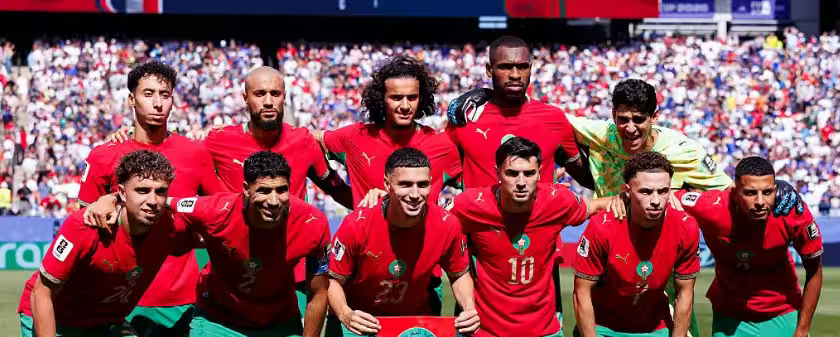
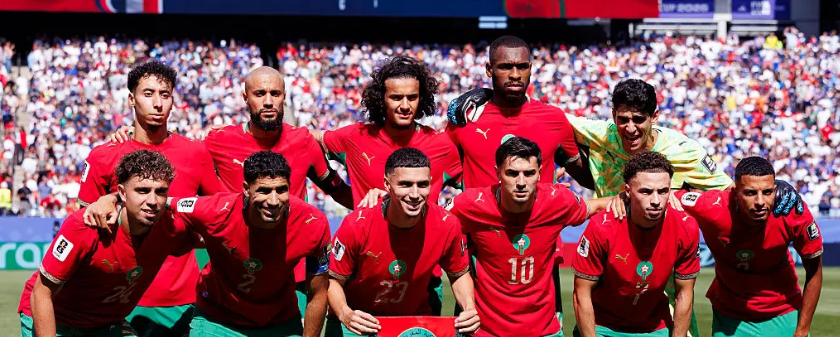
The Atlas Lions continental dominance on the pitch is the culmination of years of hard, behind-the-scenes work, combined with enthusiasm and even a certain naivety
A long time has passed now – half a century – since that prophecy was first coined in the football circles of Europe and South America in reference to the beautiful game, but it has also resonated, and continues to do so, in other areas of life. “When Africa awakens, it will be the future of football.” Much time has passed since the Moroccan national team first made its mark by reaching the last 16 of a World Cup for the first time in 1986. The future is now the present. Africa is no longer a country for anyone, but a continent that was represented at this World Cup by 10 teams (Algeria, Cape Verde, Ivory Coast, DR Congo, Egypt, Ghana, Morocco, Senegal, South Africa and Tunisia). This is the continent’s largest-ever representation: an undeniable success, but there is a sense in the air that they might have gone a little further than last time.
If there was one national team capable of surpassing Africa’s greatest achievement to date – reaching the semi-finals against France at the last World Cup in Qatar – it was, without a doubt, Morocco. But it was not to be. The French national team is today, just as they were four years ago, a cut above a creditable Morocco – and everyone else: the final against Argentina could be repeated on the 19th of July – who, although defeated in the quarter-finals, have once again shown that their success was no flash in the pan.
Although the leaders of the current Moroccan team will be veterans by the time of the next World Cup or may not even be in the squad at all, there are young players such as Ayoub Bouaddi, who is just 18 years old and has a brilliant future ahead of him. There are plenty of reasons for excitement and optimism in the North African nation.

And let’s not forget: the 2030 World Cup will come to Morocco as part of a joint bid – a historic one, as it is the first transcontinental bid – alongside Spain and Portugal. There can be no greater motivation for a country than that, and I am sure that its authorities will seize this opportunity to present themselves to the world as a hospitable and youthful nation that wants to make its mark on the global stage and showcase itself as one of the most beautiful and diverse lands on the planet.
Four years ago, on the streets of Rabat, I witnessed the complete bond between the Atlas Lions and a nation proud of its men – ordinary individuals despite the glory and glamour associated with elite footballers. At that time, Morocco assumed the role of continental leader – a role in which Mohamed Ouahbi’s men take pride – following years in which Morocco had displayed a certain degree of condescension towards the continent. It is no coincidence that Morocco rejoined the African Union in 2017; Moroccan investment and exports across the continent are breaking records, and the North African country is even spearheading a mega-infrastructure project that aims to connect Nigeria’s abundant natural gas reserves with Morocco.
Morocco’s ‘Africanisation’ goes far beyond the economy, as cultural and religious initiatives led by the kingdom have surged over the last two decades, following a long period during which Morocco looked almost exclusively to Paris, Brussels, Madrid and Washington.
Far from being a flash in the pan, the Moroccans’ brilliant performances at this year’s and the last World Cup are the result of the quiet, hard work of thousands of coaches and trainers across the country since at least 2010. As we have seen in the celebrations over recent weeks following qualification for the round of 16 and the quarter-finals in cities such as Casablanca, Tangier and Rabat, it is clear that football is more than just a sport and that the Atlas Lions are a genuine source of national pride for a modest and long-suffering people such as the Moroccans.
At the same time, the World Cup may have served as a lesson in humility for some of the fans and even the Moroccan sporting authorities. The harsh truth is that only one team can win the World Cup, and the calibre of powerhouses such as France – which has once again knocked Morocco out four years on – cannot be underestimated.
Moreover, it is only football: winning or losing a World Cup will not improve the quality of democracy or public services, nor will it raise the wages of Moroccans workers. Furthermore, recent comments by the president of the Royal Moroccan Football Federation questioning Lamine Yamal’s Spanish identity due to his Moroccan paternal origins have little place in a globalised and multicultural world. There is no other future than this for everyone, and the sporting authorities of a national team that arrived at this World Cup with 20 players – out of a total of 26 – not born in Morocco, players who were brought up as footballers in Europe or the Americas – so Morocco took advantage of this – should be well aware of this.
Disclaimer
Views expressed above are the author’s own.