
Why airlines get away with bad service
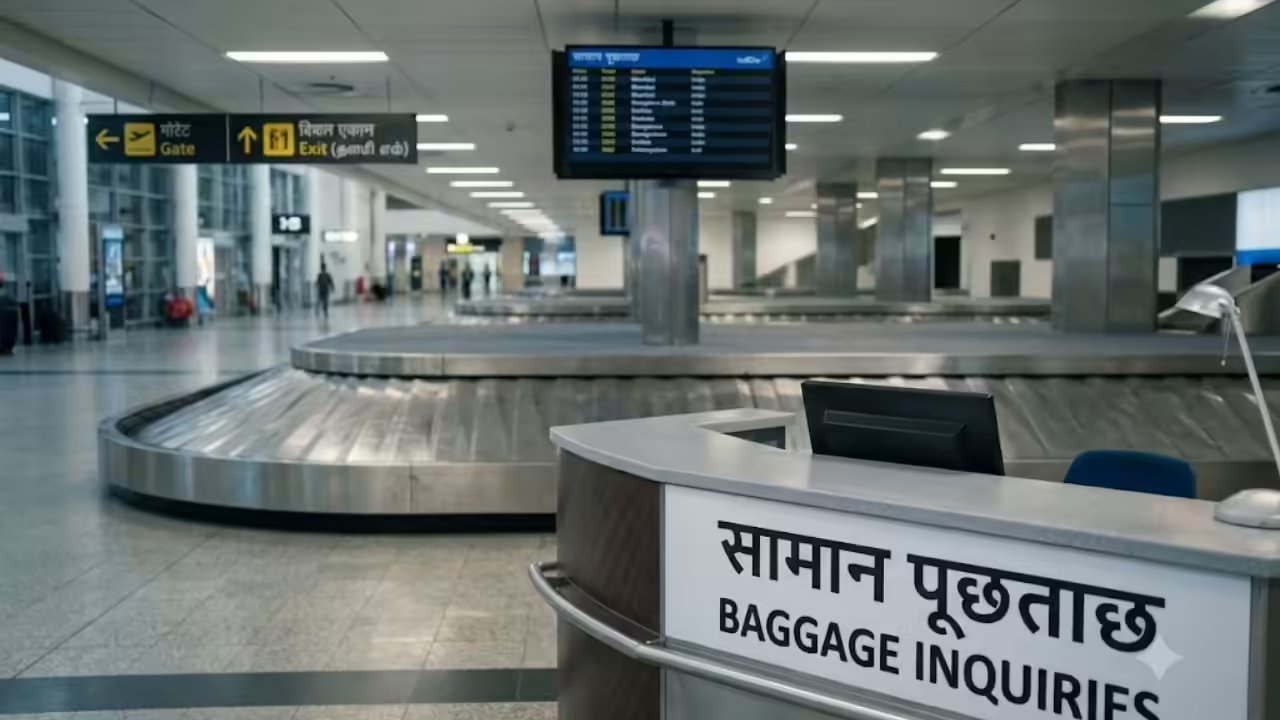
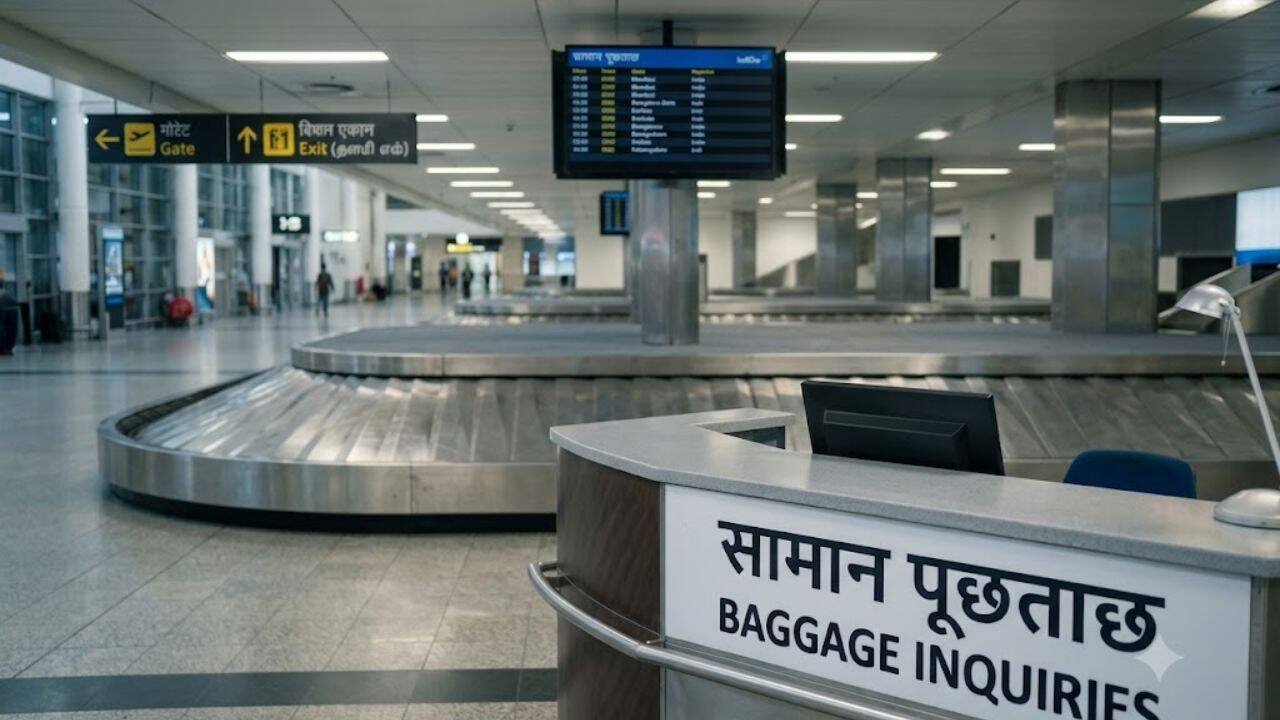
On a recent flight from Delhi to Patna, more than half the passengers, including me, arrived without our checked baggage. The operational failure itself was hardly unprecedented. Anyone who travels frequently knows that misplaced baggage, delayed arrivals, and occasional service disruptions are part of modern aviation. What was revealing, however, was not the operational failure itself but the institutional response that followed. Anxious passengers crowded around the baggage belt, searching for information that no one seemed prepared to provide. There was no clearly identifiable help desk, no standardized protocol, no explanation of what passengers should do next, and no system to register complaints efficiently. The uncertainty generated more frustration than the delayed baggage itself.

The obvious explanation seems incompetence. The more interesting explanation is incentives. One might expect dissatisfied passengers simply to choose another airline. But competition does not discipline firms when service failures are infrequent, information about quality is imperfect, and all firms face similar institutional incentives. Consumers compare fares, schedules, and observable quality before purchasing. But they often discover the quality of complaint handling and after-sales service only when something goes wrong—after the transaction has already taken place.
The real puzzle, then, is this: if firms within the aviation ecosystem compete for customers, why does poor customer service persist? Shouldn’t market competition eliminate organizations that fail their consumers?
The answer lies in the distinction between competition and accountability. Poor customer service is not simply an operational failure. It is an equilibrium, one in which firms face little cost for inadequate service while consumers face high costs of seeking redress. Most markets reward firms that provide better products or lower prices. Yet service quality depends on something more subtle. It depends on whether consumers can effectively discipline firms when things go wrong.
Consider the information available to the two parties. The airline knows its procedures, liability rules, compensation policies, and the location of operational bottlenecks. The passenger knows almost none of these. The asymmetry extends beyond information; it affects the passenger’s ability to exercise choice. One cannot negotiate or seek redress without first knowing the rules of the game. Reducing this asymmetry is inexpensive. A simple announcement, a clearly marked help desk, or a standardized digital claims process could substantially lower passengers’ search costs.
This is not primarily a story about professionalism; it is a story about incentives. Persistent unprofessionalism is less a consequence of individual incompetence than the predictable outcome of incentive structures shaped by weak institutions. It is striking that every flight devotes several minutes to safety demonstrations, required by regulation and backed by strict compliance requirements, yet virtually no time is spent informing passengers about procedures for delayed or misplaced baggage, an event that is far more common. The contrast illustrates a simple economic principle: organizations communicate extensively where regulation creates clear incentives, and far less where accountability is diffuse.
Information, however, is only part of the story.
Suppose the passenger suffers a genuine financial loss because medicines, business documents, or essential belongings remain unavailable for several days. In principle, the law offers remedies. In practice, very few passengers will pursue them.
The reason is not ignorance but economics.
Every legal action involves costs: time, legal fees, uncertainty, and emotional effort. Where judicial processes stretch over years, these costs quickly exceed the expected compensation. Economists describe this as a high transaction-cost environment. When the cost of enforcing a right exceeds its expected value, rational consumers stop enforcing it altogether. At that point, the legal right exists formally but loses much of its economic significance.
This changes organizational incentives.
If the expected cost of disappointing a customer is negligible, investment in customer support becomes difficult to justify internally. Managers allocate resources where measurable returns exist. Improving baggage handling software, expanding customer support teams, or providing immediate compensation all require expenditure. If dissatisfied passengers rarely switch airlines, rarely litigate, and rarely receive meaningful redress, these investments compete poorly against projects that generate visible financial returns.
The resulting equilibrium is uncomfortable but stable. Consumers expect poor service and adjust their expectations accordingly. Firms observe limited penalties and maintain existing practices. Neither side individually has sufficient incentive to change the outcome.
This is why institutional quality matters as much as market competition.
Property rights are often discussed in relation to land or investment. At its core, this is a problem of contractual enforcement. A checked suitcase remains the passenger’s property, while the airline assumes a contractual obligation to transport and return it. When breaches of that contract carry little practical consequence, the contractual right exists more in law than in economic reality.
India has invested heavily in aviation infrastructure. New airports, expanding passenger numbers, and growing connectivity represent remarkable achievements. Yet infrastructure alone cannot produce trust. Trust emerges when institutions ensure that organizations bear the full consequences of their mistakes.
The quality of a market economy is measured not only by how efficiently it functions when everything goes according to plan, but also by how predictably it responds when things go wrong.
Markets do not become efficient simply because firms compete. They become efficient when institutions ensure that promises are costly to break. When passengers stood around an empty baggage carousel in Patna, they were not merely waiting for luggage. They were confronting the consequences of an institutional equilibrium in which the costs of service failure fall overwhelmingly on consumers rather than providers. That equilibrium will persist until the expected cost of failing customers exceeds the cost of serving them well.
Disclaimer
Views expressed above are the author’s own.