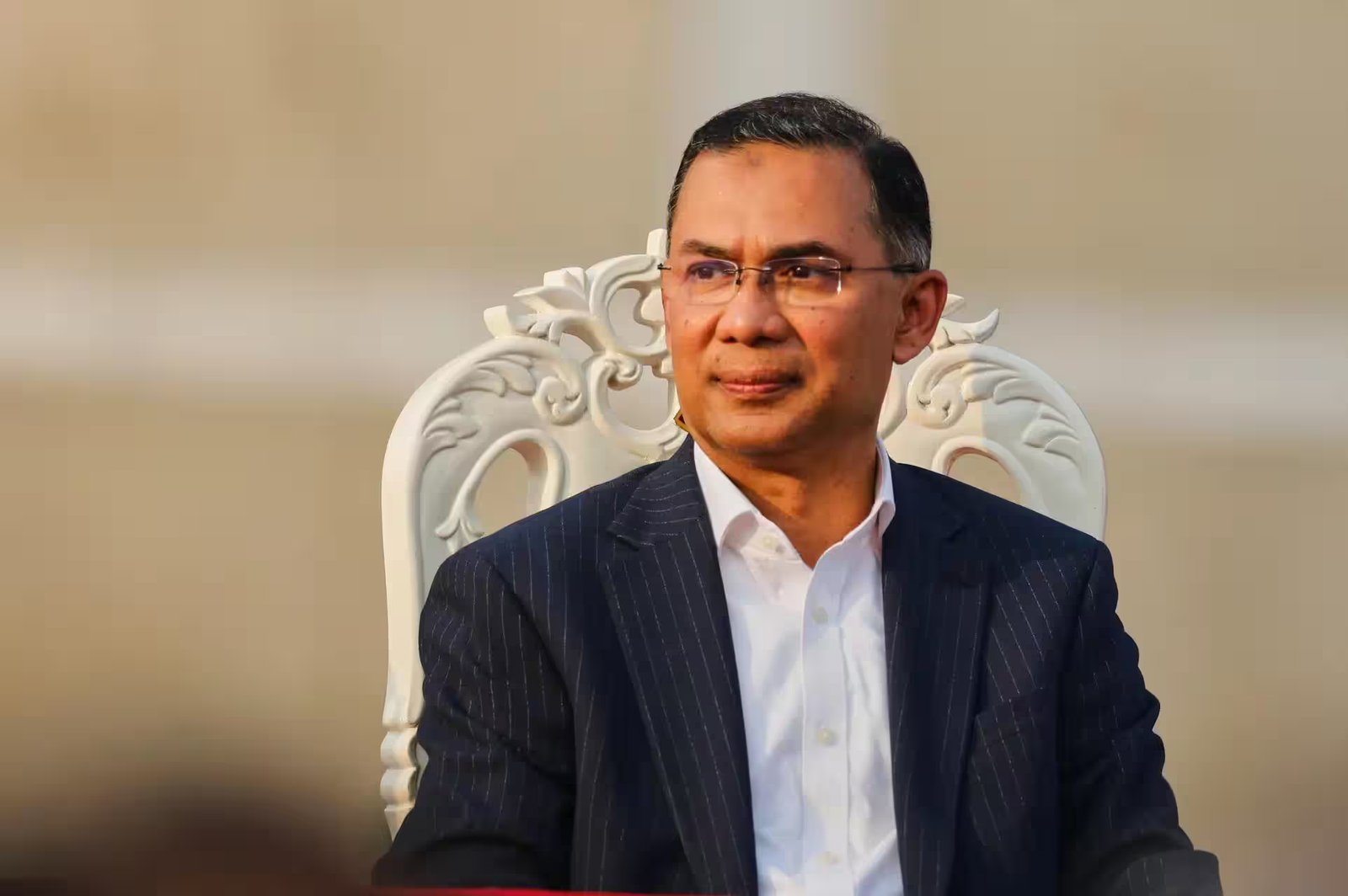
Being Marcelo Bielsa
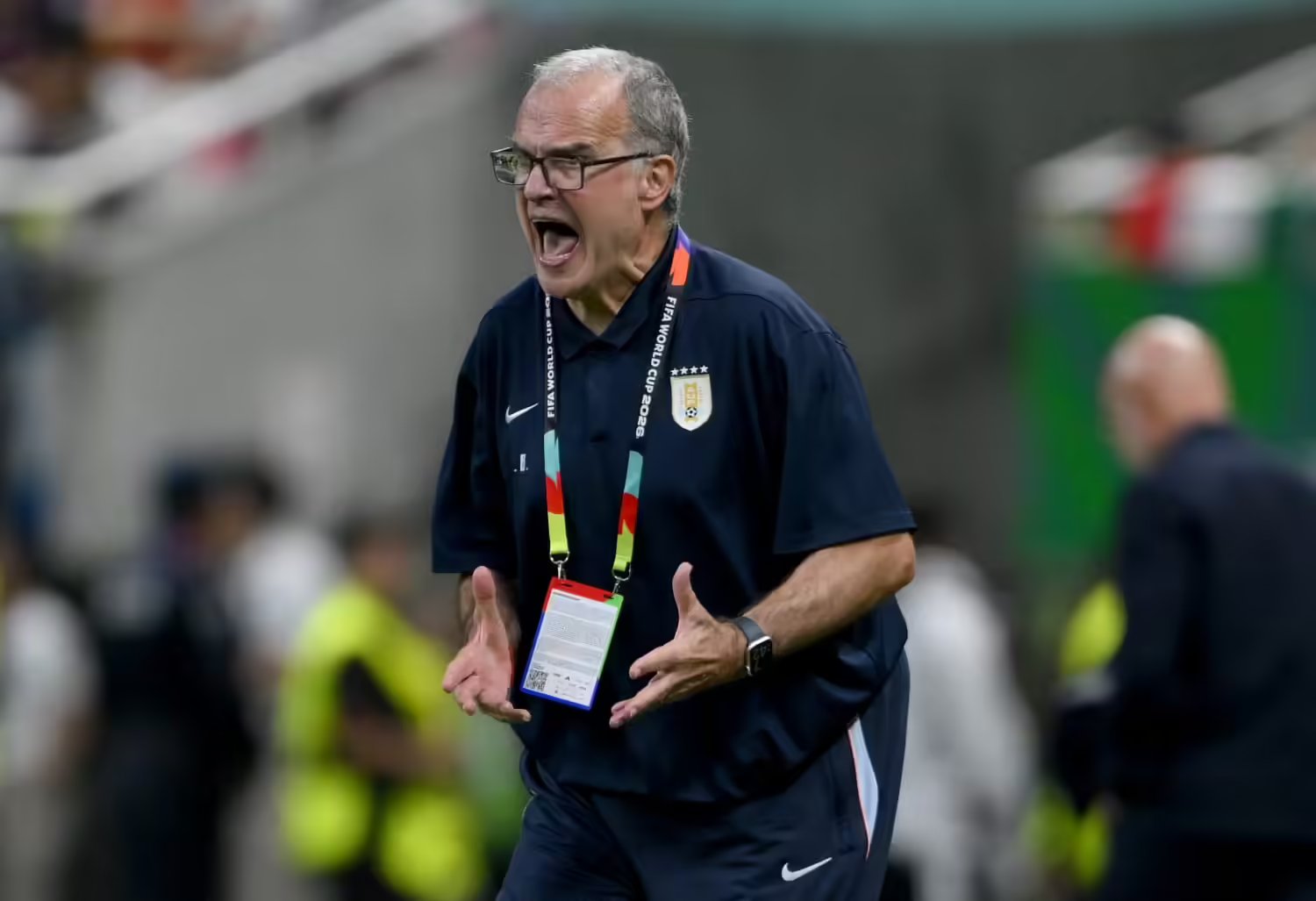
The influential football manager has expressed his frustration about commercialisation of the beautiful game for years. But this World Cup, with his Uruguay team’s exit, he reached breaking point.
“I’m at a stage in life where the things that isolate you gain power,” Marcelo Bielsa told me about a decade ago. He wanted work in Premier League, and had studied it thoroughly to compile a detailed report, looking at every individual player, measuring everything from speed to thigh thickness, comparing performance according to opponents, and turning it into a treaty so dense and complex, no one other than him could understand it.
He later took on Leeds (not in Premier League at the time), where he ‘returned’ a goal which he believed his team had unfairly scored, and got into trouble for ‘spying’ on opponent’s training.
We are at the stage in the Soccer Super Bowl World Cup where teams are starting to pack up and go home. And perhaps the most controversial and divisive of the departures so far has been that of Uruguay, blamed on the tenacious and stubborn Argentinian manager who took the country’s squad on an epic three-year journey. Six months into the job, his men defeated world champions Argentina in Argentina. That same Uruguay team later beat Brazil in the Copa America.
The man who refused to lift his gaze from the ground for official FIFA photograph at the start of this tournament, gave rise to an image that could be an album cover, and sparked instant debate. As the group stage progressed, Bielsa became increasingly and visibly short tempered. He is known for his long allocutions, endless press conferences, never granting exclusive one-on-one interviews, and valuing football above all for its capacity to bring joy to millions. But Uruguay’s group-stage exit appeared to have pushed him to breaking point.
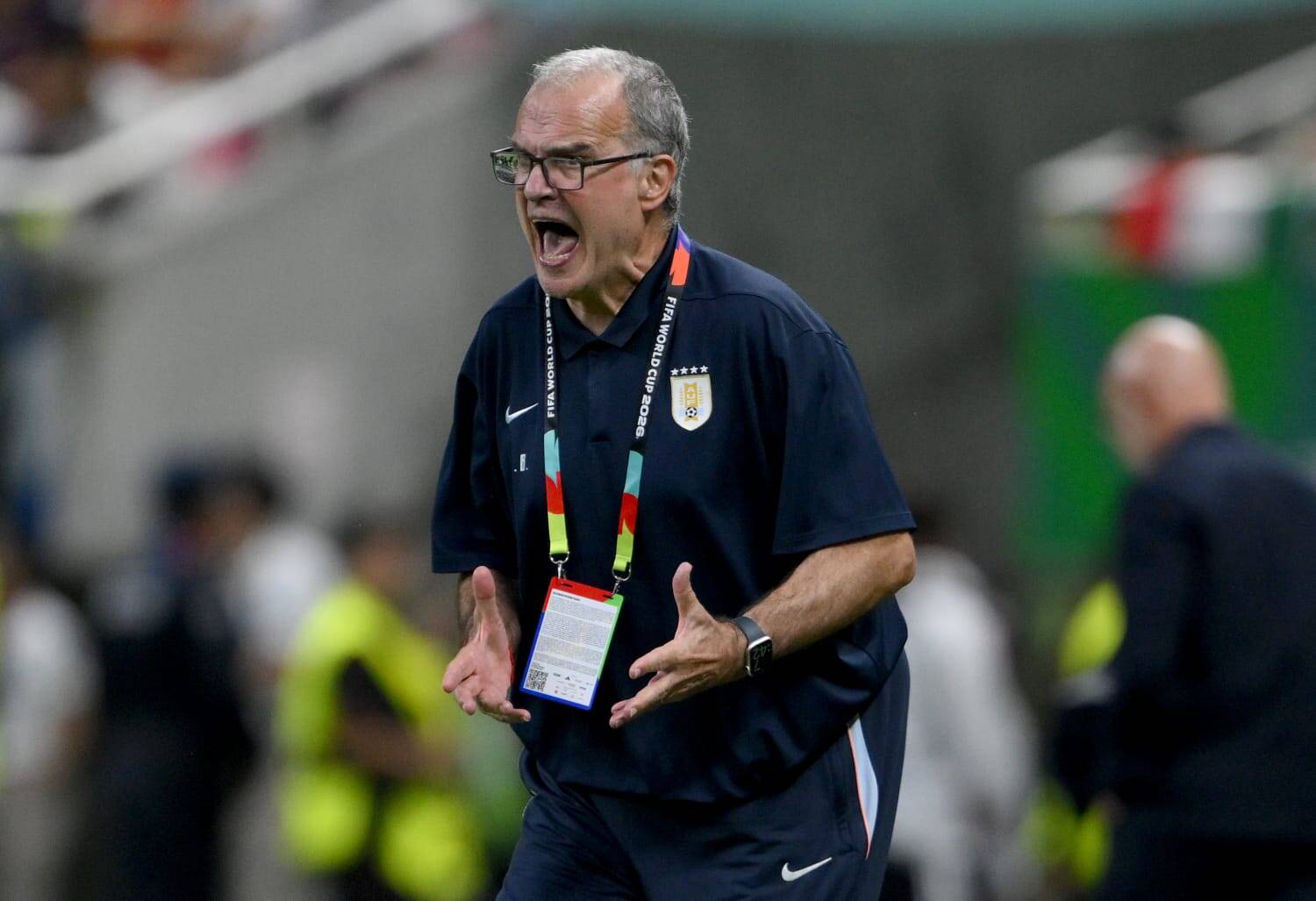

While two years ago he slammed FIFA and the powers that be in defence of his players, now the same tone and despair was directed at touchline workers. Bielsa’s outburst went viral. His frustration with an industry that is devouring exactly what he believes it is devouring is understandable. But the lack of filter, and the unfortunate recipient of his aggression, betray a man frazzled and broken. Many accused of him being a despot, and rude to boot. Others jumped to understand him. “We brought in a revolutionary, and ended up asking him to adapt to the system he was brought in to change,” tweeted Uruguayan Cesar Sposito.
Such existential soul searching will be taking place in every squad gathering their kit bags and returning home from the tournament. But the Bielsa story stands out because it is so symbolic of the times we live in, and the particular type of tournament this one has become.
Widely regarded as one of the most influential managers in the world, his view of football as a game of ideas, rigorous build-up of processes that emphasises quality above results, and search for attack and flair, have gained praise from Pep Guardiola and Alex Ferguson among others. Nestor Lorenzo, who worked with Jose Pekerman when they stepped in to replace Bielsa in Argentina in 2004, was very much part of the same school of thought. Pekerman himself appointed Bielsa to the job some years earlier, as he masterminded a revolution which sought to educate young men rather than players.
Experts in nutrition to psychology, together with an emphasis on fair play, stunned the world with impressive performances and results, in spite of his mantra of breaking away from “the resultist dictatorship”. Bielsa immediately ordered the construction of a video booth in the main training centre, and moved in to study every move, match, and tactical talk ever recorded round the clock. He demanded excessive training, constructed complicated schemes on the drawing board, and obsessively instructed his players to behave just so. Argentina qualified top of their group for the 2002 World Cup, and proceeded to leave the tournament first, having not got past the group stage.
Bielsa’s nickname ‘El Loco’ literally means the Madman, and he wears his neurodivergence so openly that the inability to make eye contact should offend less and invite more concerns for mental health and well-being, as the sport moves to embrace difficult topics and treat them seriously. But his legacy shines on. This week marks the anniversary of the moment young Lionel Messi played his first international friendly for Argentina, locking player and country forever under then federation rules. It was Bielsa who instructed that the Messi family be found, on the back of videos Messi’s father had sent in for his viewing.
“The press and the media specialise in perverting human beings according to triumph or failure,” he once said. And as the show goes on, we watch the tears of those who leave defeated, the winners wrapped in ecstasy, and celebratory colourful fans jumping for joy. We are all buying into the power of football to delight and teach geography at once, normalising that which Bielsa could not even bear to look at. Images of Congolese refugees scattered around camps, dancing and singing, are exact testament to the power to access temporary beatitude for those who have little other means of happiness. And somehow, Michel Nkuka Mboladinga, the silent Congolese fan who stands still, arm raised, an ode to Patrice Lumamba, has signed a contract with Unilever to advertise Rexona deodorant. Oh, the irony.
Disclaimer
Views expressed above are the author’s own.