In UP, history has become the new poll plank
In the politics of Indian democracy, the past no longer remains a distant memory; it actively battles within the political Kurukshetra of the present. Heroes, kings, commanders, and icons from history keep jumping out of the pages of the past to fight contemporary political battles. Through constant invention, reinvention, and remixing of historical narratives and popular memories, political and socio-political groups mobilise these figures for electoral and ideological purposes. This interplay of history and politics is particularly visible in the political landscape of Uttar Pradesh.
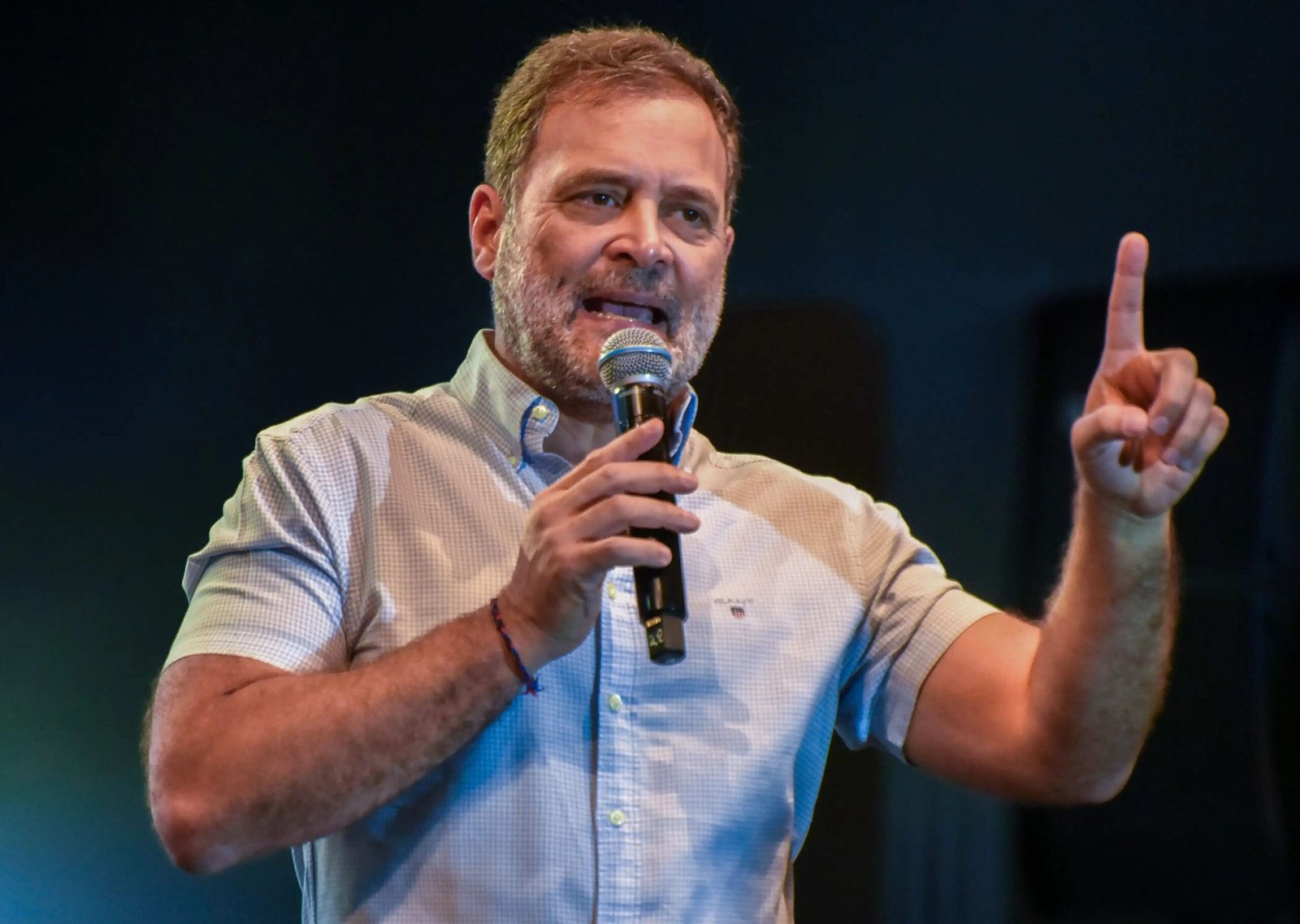
As the state gears up for assembly elections in early 2027, rival parties have intensified their strategies for electoral consolidation. Recently, in Rae Bareli, Congress leader Rahul Gandhi unveiled a statue of Veera Pasi — a Dalit icon of the 1857 Uprising, widely regarded as India’s First War of Independence — in a strategic attempt to consolidate Dalit and other marginalised communities within the Congress fold.
Similarly, AIMIM chief Asaduddin Owaisi, during a rally in Bahraich, praised the valour of Ghazi Miyan, weaponising his historical memory to evoke Muslim identity consciousness. Syed Salar Masud Ghazi, popularly known as Ghazi Miyan and believed to be the nephew of Mahmud of Ghazni, is said to have arrived in India as a conqueror during the early 11th century. In Bahraich, where Ghazi Miyan was defeated and killed by Maharaja Suhaldev, a dargah has been built.

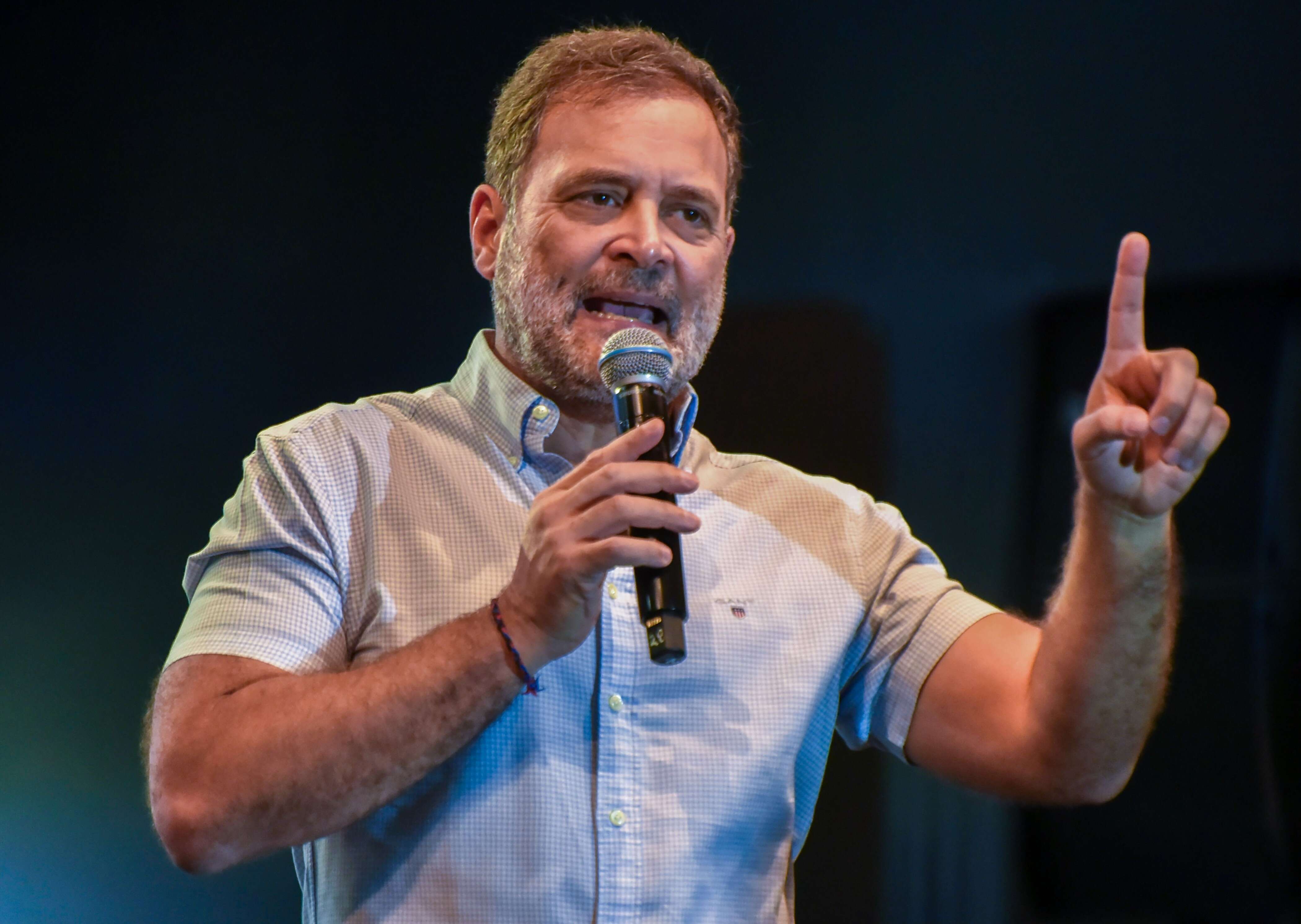
Owaisi’s invocation of Ghazi Miyan immediately provoked a political counter-response from UP CM Yogi Adityanath, who started a campaign glorifying subaltern Hindu king Suhaldev. Adityanath asserted that glorifying foreign invaders like Ghazi Miyan undermines national dignity and would be actively resisted. He also urged theatre groups, academies, and educational institutions to develop local productions based on Maharaja Suheldev and other lesser-highlighted native heroes to strengthen social unity.
According to colonial gazetteers as well as popular narratives, Maharaja Suhaldev belonged to the Bhar community, one of the marginalised communities of present-day UP. Interestingly, other Dalit communities, particularly the Pasis, also claim Suhaldev as one of their own. Every year, the grand fair at the Ghazi Miyan dargah in Bahraich attracts devotees from different parts of the country, making it not merely a religious site but also a contested space of historical memory.
Meanwhile, in Lucknow, another contest over historical memory has been unfolding between the Bahujan Samaj Party (BSP) and the Samajwadi Party (SP), both attempting to harness the symbolic power associated with the fort and legacy of the medieval Dalit ruler Raja Bijli Pasi. To further expand its reach and go beyond its M-Y (Muslim-Yadav) votebank, SP has consistently invoked Maharishi Parashuram as a symbolic figure to attract the Brahmin community. In UP, the Brahmin voter base with a 10-12% share stood strongly with Congress until 2009 and then shifted to BJP.
The growing use of historical icons as instruments of contemporary political mobilisation has important implications for Indian democracy. Historical figures are no longer invoked merely as subjects of the past; their power lies in collective memories which evoke strong emotional and community identities and, in turn, influence electoral alignments. As different political actors appropriate competing historical narratives, unresolved memories and grievances of the past are revived within present-day political discourse, often intensifying contestation among social groups. However, in a developing society where communities remain engaged in competition for recognition, resources, and political representation, such conflicts over history and memory have become almost inevitable.
History and memory continue to remain important in Western societies as well, but they are generally detached from immediate political instrumentalisation. There, historical narratives function primarily within the realms of academic inquiry and professional historiography. Even in Asian countries such as China and South Korea, history and collective memory often serve as philosophical frameworks and sources of national inspiration rather than as everyday instruments of electoral politics. Nobel Prize-winning Mexican poet Octavio Paz, in his book ‘One Earth, Four or Five Worlds: Reflections on Contemporary History’, offered profound reflections on how different societies negotiate their relationship with the past and with collective memory.
In many Eastern societies, including India, the past is not a dead past but a living one. Yet a living past, which remains foundational to collective identity, must be negotiated in a morally sensitive, balanced, and constructive manner. The role of history in electoral mobilisation is likely to grow further in the coming years as identity continues to occupy a central place in democratic politics and developmental narratives. However, it also risks deepening social conflict.
Our journey towards a Viksit Bharat is likely to become smoother only when historical consciousness and identity cease to function as instruments of political weaponisation and instead evolve into sources of shared philosophy, intellectual engagement, and collective inspiration.
Disclaimer
Views expressed above are the author’s own.