The Knicks made me a sports fan
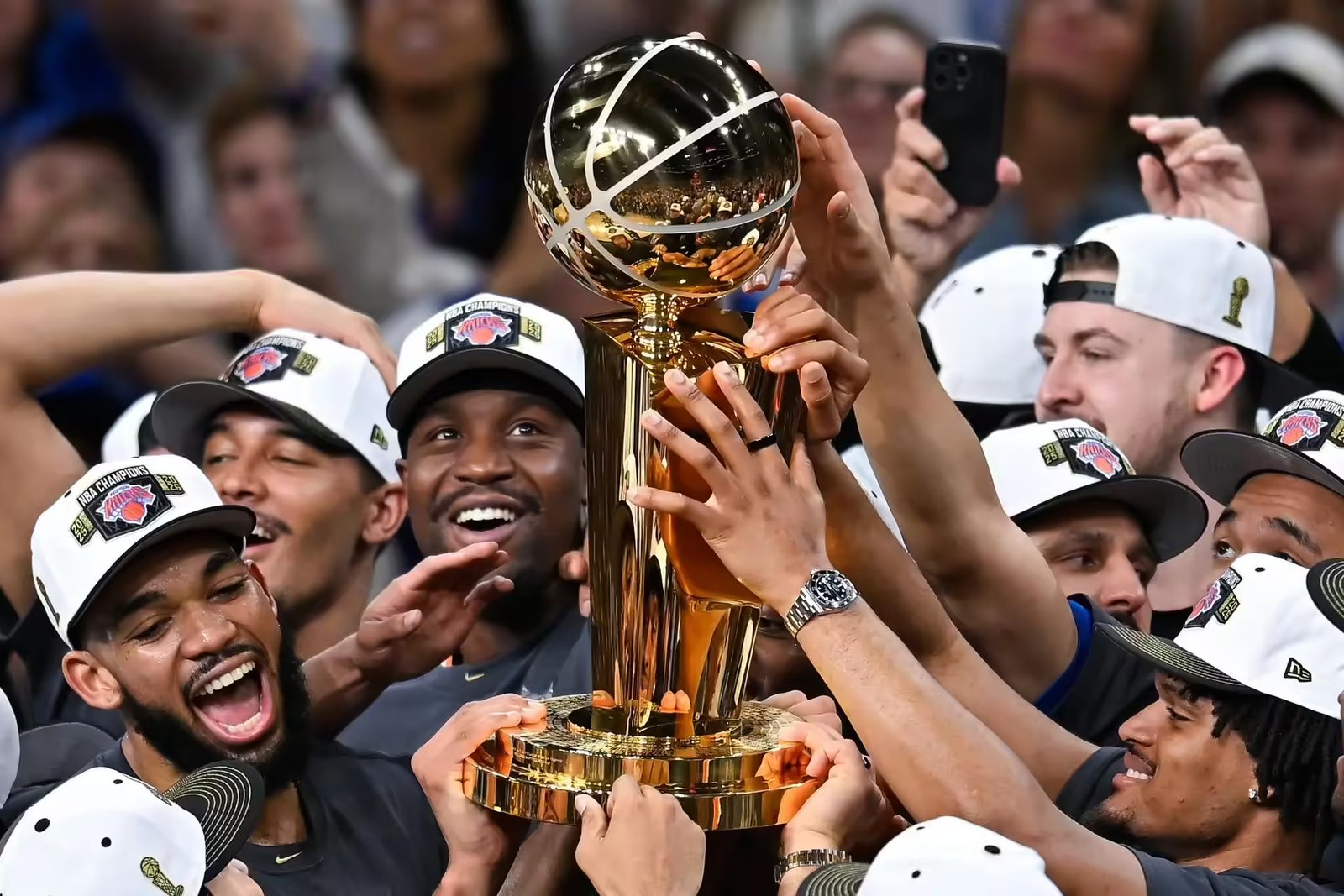
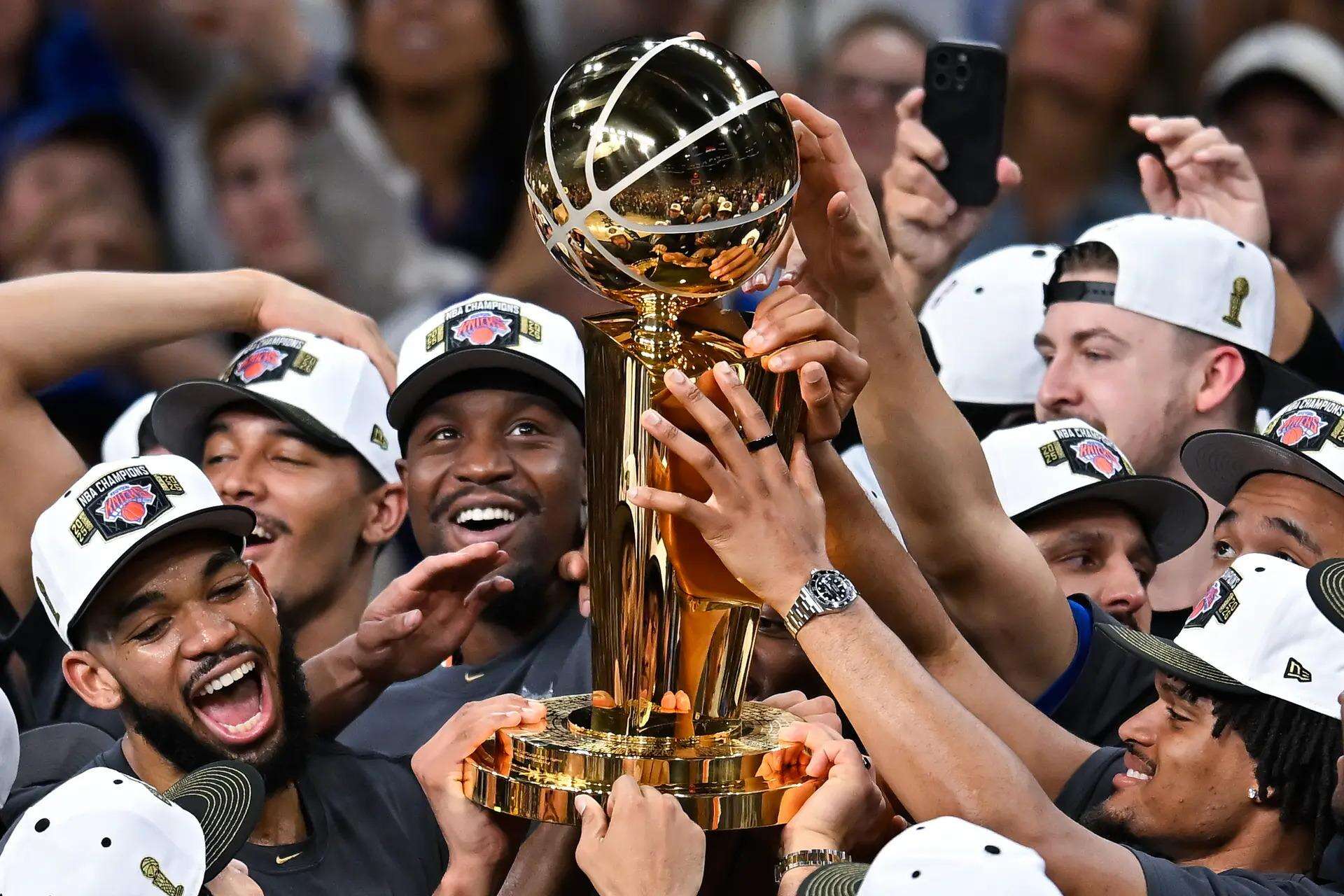

Somewhere between June 3 and June 13, the New York Knicks made me fall in love with sports.
This was surprising for several reasons. My brother has spent years trying to explain football to me. My dad is a sports journalist. Sports have always existed around the edges of my life, through dinner table conversations and television broadcasts. I understood, intellectually, why people cared, but I never connected with sport.
In mid-May, I graduated from New York University (NYU). For four years, being a student had defined my relationship with New York. There was always somewhere to be, something due, a next milestone waiting around the corner. Then, suddenly, there wasn’t. I wasn’t a student anymore. There is a particularly strange feeling that comes with finding yourself untethered in a city of eight million people, but still surrounded by movement and ambition and possibilities.
Then, the Knicks made the NBA Finals.
The timing could not have been better. The city was waking up from a brutal winter. Everyone seemed determined to soak up every minute of warm weather. People lingered outside after work. Restaurants spilled onto the sidewalks.
The Knicks win injected something else into the atmosphere – anticipation. New York had not reached the NBA Finals since 1999 and had not won a championship since 1973. There was a feeling that history was approaching, and whether you cared about basketball or not, you could feel the buzz.
My roommate and I watched the first game in a crowded sports bar on the Upper West Side. I threw on a blue shirt and orange eyeliner because that felt like the appropriate amount of commitment for someone role-playing as a Knicks fan.
The line into the bar wrapped around the block 30 minutes before tip-off. We had dramatically underestimated how much New York was going to show up. After 20 minutes of waiting – seemingly one of New York’s favourite activities – we were finally let inside.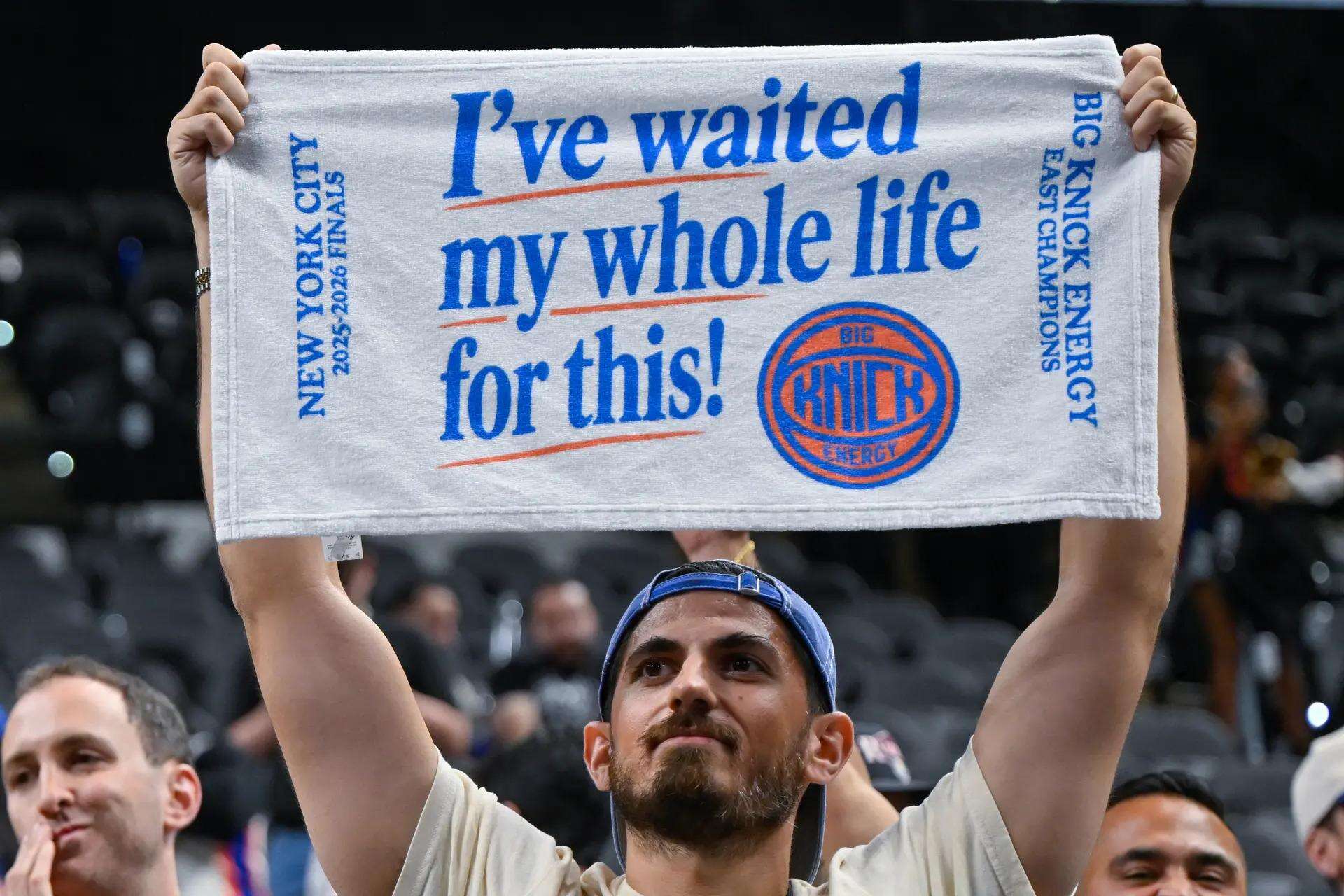
Nobody cared.
Every move in the game generated a collective reaction – cheers, groans, or dramatic sighs. Participation required no expertise. I didn’t know every player’s tendencies or understand their plays, but when hundreds of people around you erupt simultaneously, it becomes impossible not to join them.
One of my friends was watching from Toronto, excited by this newfound enthusiasm in me for basketball, and texted updates. He explained things we missed and celebrated things we didn’t yet understand. The Knicks energy wasn’t limited to NYC – people scattered across different cities were experiencing the same emotional highs and lows at the same time. Game 1 taught me that enthusiasm is contagious and that you don’t need to understand a sport to get swept up in it with the people who love it.
On the night of the second game, I had decided I wanted to spend the evening exploring New York rather than waiting in another sports bar line, so while tip-off happened, I was walking across the Brooklyn Bridge.
Yet the city would not let me forget there was a Finals game happening.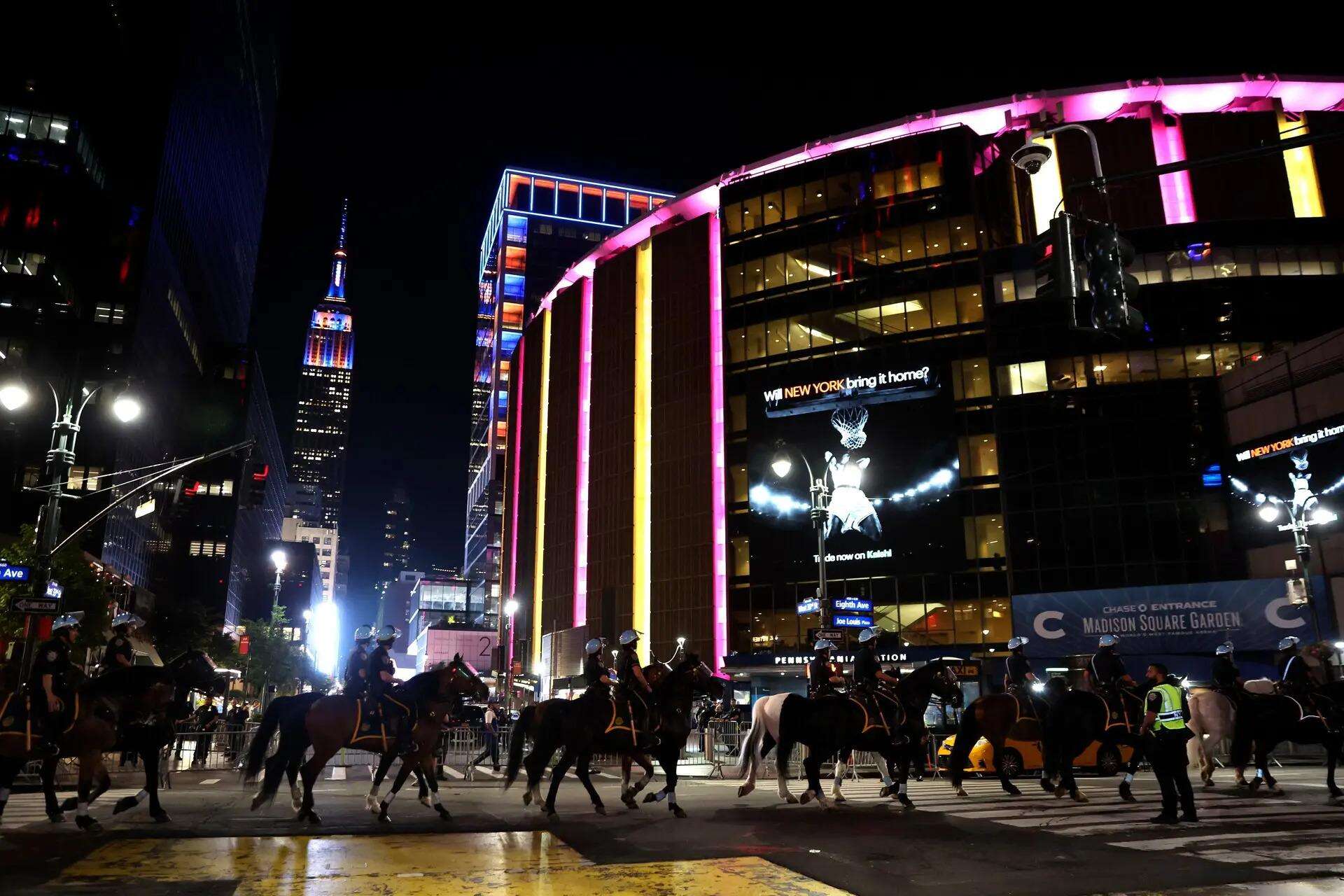
At some point, I had become invested. Game 2 taught me that fandom follows you.
Game 3. The Knicks lost.
Instead of the usual celebration, viewers trailed out of the sports bars. It was an anticlimactic ending to the game. Especially with this being a home match.
Game 3 taught me something about New Yorkers. The city immediately bounced back, summoning up enthusiasm and burning sage outside of Madison Square Garden to reset the energy. The chant that had been everywhere – “My mayor Muslim, my bagel Jewish. My Christian Dior, Knicks in four!” – evolved into “My bagel chive, Knicks in five!”
Fifty-three years without a championship had apparently taught New Yorkers many things, including how to absorb disappointment without surrendering optimism. The confidence remained absurdly intact. It refused to let a single loss become the story.
I missed the start of Game 4 as I had booked a Broadway show. But as soon as I stepped into the warm summer air outside and my data kicked in, I was already typing ‘Knicks score’ into Google.
They were down 20-4, and soon, my Toronto friend texted that the Spurs had set a record for the largest halftime lead in the Finals. Then, they were down 29 points at one time – another record.
We stopped by a diner, more for basketball than dinner. We ordered fries and a milkshake, but we could have been served cucumbers and water. Our eyes were fixated on the screen. The plate did not matter.
Dead silence and the occasional groans slowly turned into a murmur, and then full-blown shrieks. Basket by basket, the lead shrank. With around a minute left, the Knicks finally took their first lead of the game. People around me were yelling, jumping, grabbing their friends and hugging strangers. We watched OG Anunoby save the Knicks with the game-winning tip-in in an electrifying comeback.
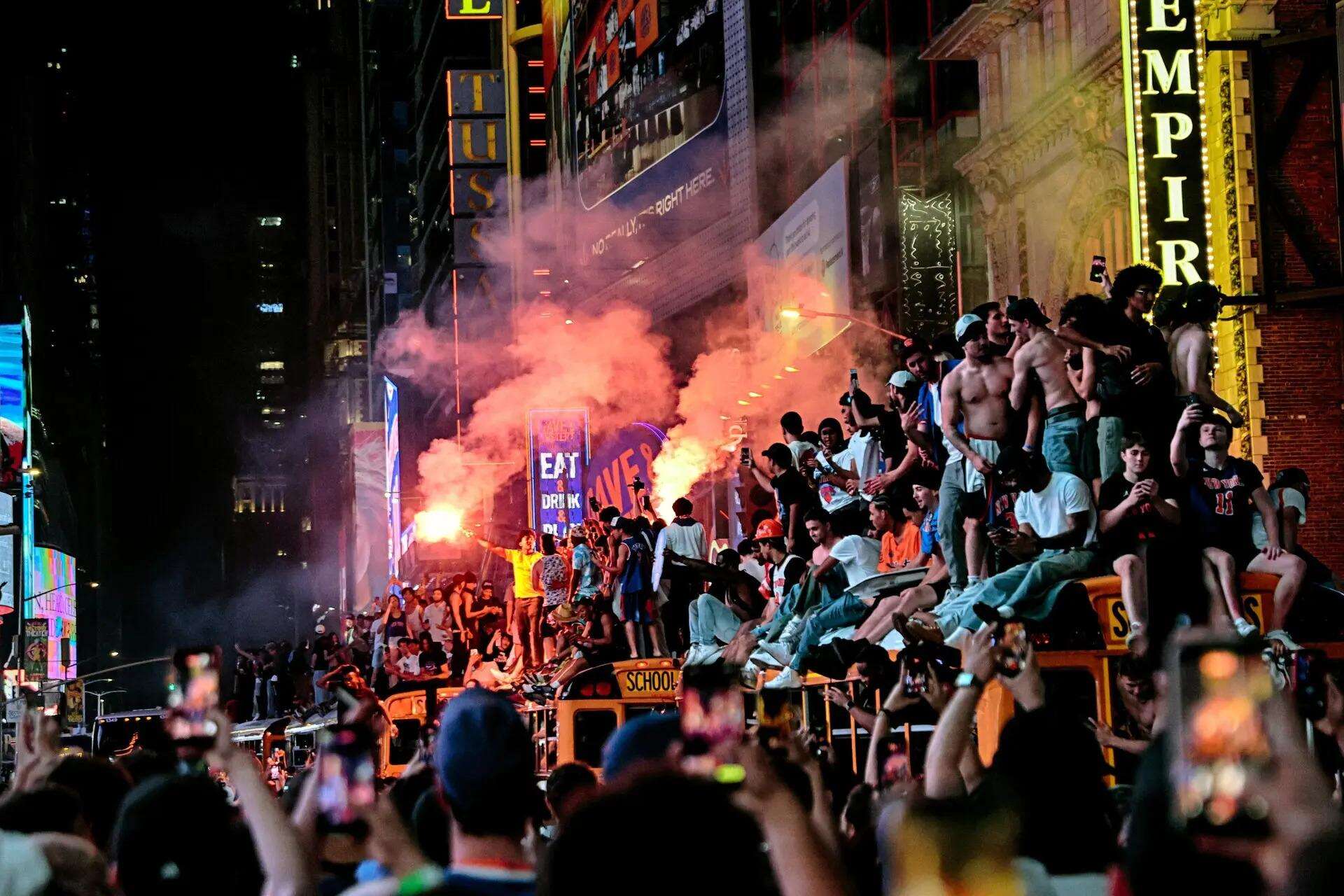
No matter where you were in New York – a Broadway theatre, a stage door, a diner at 10:30 p.m. – you were surrounded by delirium. As Mayor Mamdani put it, the Knicks run turned the nation’s largest city into “what feels like the world’s smallest town”.
Game 4 taught me that shared hope is enough to turn strangers into a community.
My Game 5 started at a bar near Madison Square Garden (MSG), where the streets were already cordoned off by what seemed like hundreds of NYPD officers and barriers. People were still coming in from everywhere. MSG, the home of the NY Knicks, was the epicentre of all activities and the place to be.
At halftime, we stepped outside in search of an open-air screening. We found a gas station that had set up a massive screen. Next to it, a smaller screen, set up for a rooftop viewing party, was showing the same game, but on a stream that was slightly ahead. We could hear it before we saw it – every time the Knicks scored, the cheers from somewhere above us prepared us for the celebrations. A second later, the entire street around us would erupt.
People stood on car roofs. Others hung from streetlights. On a sticky New York summer night, everyone was determined to remain outside. By then, I had learned the defining lesson of the Finals: it isn’t over until it’s over.
Everyone waited together, and then the Knicks won.
Champagne popped around us. Giant number five balloons materialised by magic. Shirts came off. Cars sat gridlocked as thousands of residents and pedestrians rushed into the streets. Bars blasted Empire State of Mind and New York, New York. Buildings glowed orange and blue. LinkNYC screens flashed congratulations. Strangers high-fived each other.
Traffic had become impossible, so we ended up walking 45 minutes home. It was one of the best walks I ever had in the Big Apple, the city that never sleeps. That night, it actually didn’t.
For two weeks, the Finals gave millions of people a shared purpose. They gave strangers a reason to talk. They connected friends scattered across different cities. They transformed bars and diners and sidewalks and gas stations into gathering places to watch the game.
The city welcomed my bandwagon fandom without question. My genuine enthusiasm was enough. For two weeks, every conversation seemed to end with “Knicks in five”.
Somewhere between June 2 and June 13, the Knicks made me a sports fan. More importantly, they made me feel like a real New Yorker.
Disclaimer
Views expressed above are the author’s own.