
Who is Zidane Iqbal? The Iraq midfielder making history as first player of Pakistani origin to play at World Cup | Football News
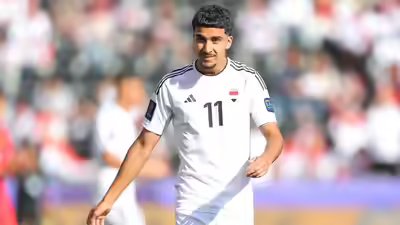
Iraq’s return to the FIFA World Cup after 40 years ended in a 4-1 defeat to Norway in Foxborough, but the game still produced a piece of history. When Zidane Iqbal came off the bench in the 59th minute, becoming the first player of Pakistani heritage to feature in a men’s World Cup match.The milestone arrived on a difficult evening for Iraq, who were facing their first World Cup match since Mexico 1986 and eventually fell to a Norway side inspired by Erling Haaland’s first-half brace. Yet amid the disappointment of defeat, Iqbal’s appearance represented a significant moment for Iraqi football, British South Asian representation and Pakistani football history.
A historic substitution in Foxborough
The landmark moment arrived shortly before the hour mark at Boston Stadium. With Iraq trailing Norway during their opening Group I fixture, head coach Jesús Casas turned to his bench in the 59th minute and introduced Iqbal in place of midfielder Zaid Ismael. The substitution gave the 22-year-old the final 31 minutes of regulation time plus stoppage time to influence the contest.The significance of the change extended well beyond tactical considerations. By stepping onto the pitch, Iqbal became the first player of British-Pakistani heritage ever to feature in a men’s FIFA World Cup match. He also became the first player of Pakistani origin to appear at football’s biggest tournament.The occasion added another chapter to a career already filled with notable firsts. Earlier in his development, Iqbal became the first Iraqi player to represent Manchester United and the first British South Asian footballer to appear in the UEFA Champions League.While Iraq ultimately suffered a heavy defeat, the midfielder’s World Cup debut ensured the evening would still occupy a unique place in football history.
From Manchester to the World Cup
Iqbal’s path to the World Cup began thousands of miles away from Iraq. Born and raised in Manchester, England, he grew up with a multicultural background that made him eligible to represent multiple nations. His father is Pakistani, with family roots in Sahiwal and Sialkot, while his mother is Iraqi.Under FIFA eligibility rules, Iqbal could have pursued an international future with England, Pakistan or Iraq. The Iraqi Football Association identified his potential early and actively recruited him through the youth levels, offering a clear pathway towards senior international football.
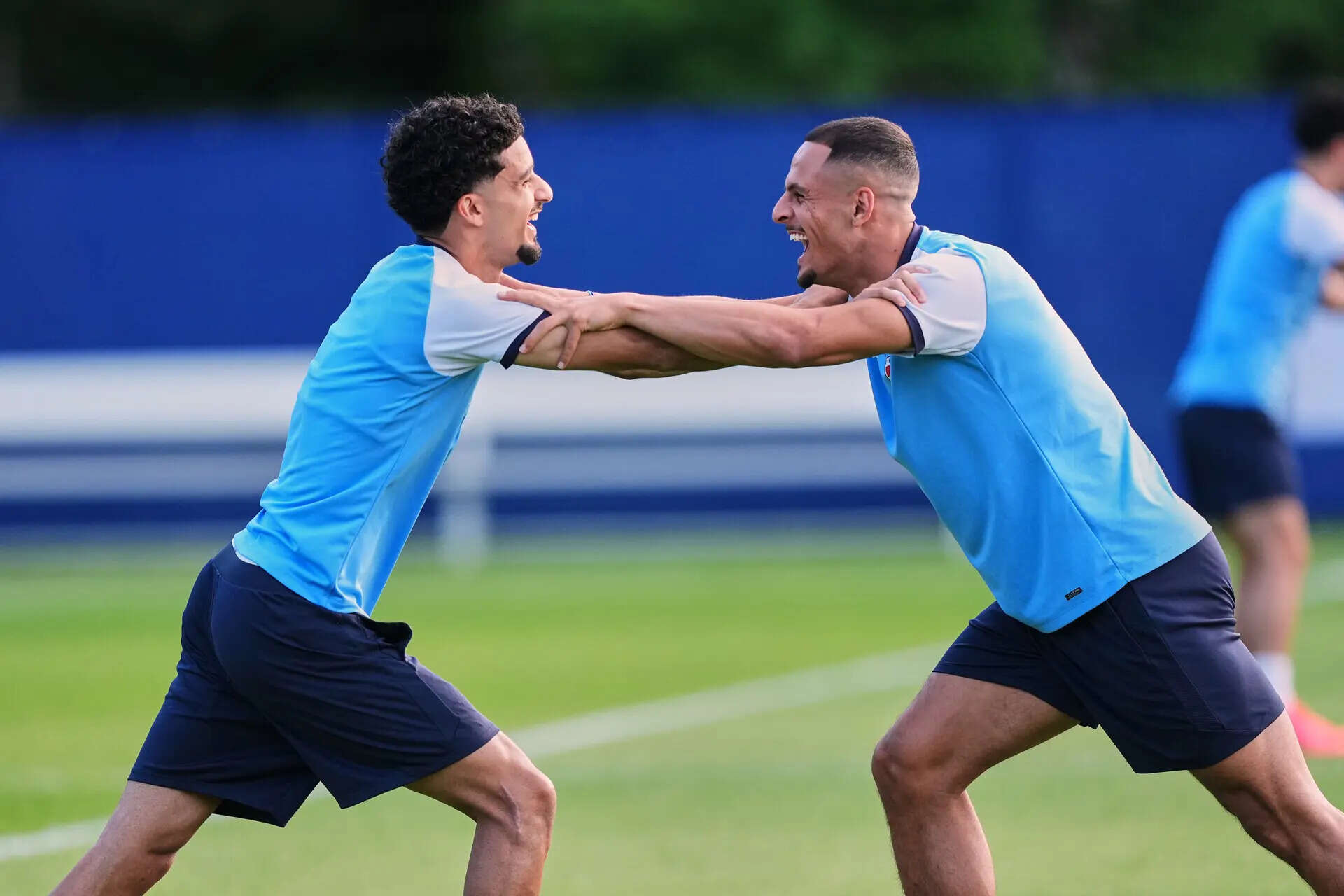
Iraq’s Ali Alhamadi, right, and Iraq’s Zidane Iqbal exercise during a training session ahead of the World Cup Group I soccer match between Iraq and Norway in Foxborough, Mass., near Boston, Monday, June 15, 2026. (AP Photo/Martin Meissner)
That long-term approach eventually proved decisive.Iqbal formally secured an Iraqi passport in May 2021, paving the way for his international future with the Lions of Mesopotamia. Less than a year later, he made his senior debut against Iran in a FIFA World Cup qualifier at Tehran’s Azadi Stadium on January 27, 2022, appearing as a late substitute to earn his first international cap.The decision has since developed into a substantial international career. By the time Iraq arrived at the 2026 World Cup, Iqbal had accumulated 24 senior appearances for his adopted national team.
Establishing himself in Iraq’s midfield
Although still only 22, Iqbal has already become a regular figure within Iraq’s national-team setup.His 24 caps have been spread across multiple competitions, highlighting his growing importance to the squad. Fourteen appearances have come in World Cup qualification matches, while he has also featured in international friendlies, AFC Asian Cup fixtures, Arabian Gulf Cup matches and now the FIFA World Cup itself.The midfielder currently plays club football for Dutch Eredivisie side Utrecht after progressing through Manchester United’s academy system. His technical ability, composure in possession and versatility have made him one of the most promising players in Iraq’s emerging generation.That generation carried considerable hope into the 2026 tournament. Iraq’s qualification ended a four-decade World Cup drought stretching back to their only previous appearance in Mexico in 1986. For many younger supporters, this represented the nation’s first opportunity to watch Iraq compete on football’s biggest stage.The opening result did not go according to plan. Erling Haaland scored twice before half-time, Leo Østigård added a third after the break and a late own goal completed Norway’s 4-1 victory. Aymen Hussein’s equaliser briefly gave Iraq hope during the first half, but Norway’s superior quality eventually told.The result means Iraq face an immediate challenge in Group I, with France awaiting in their next fixture after the world champions defeated Senegal 3-1 earlier on Matchday One. Norway and France currently occupy the top two positions in the group on three points apiece.