FIFA scraps controversial water bottle ban for 2026 World Cup in US & Canada after furious backlash, Mexico unclear | Football News

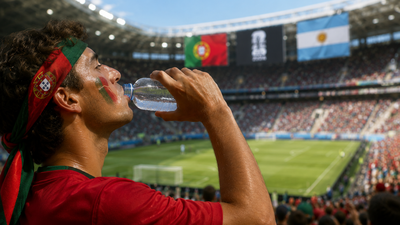
Just days after FIFA faced widespread criticism for effectively banning reusable water bottles at World Cup stadiums, football’s governing body has significantly revised its position.The issue quickly became one of the most controversial fan-related stories ahead of the 2026 FIFA World Cup, raising concerns about supporter welfare, hydration, stadium pricing and extreme summer conditions across North America. After mounting pressure from politicians, fan groups, health experts and local officials, FIFA has now confirmed that spectators attending matches in the United States and Canada will be allowed to bring sealed water bottles into venues.However, questions still remain over whether the same policy will apply to matches staged in Mexico.
How the controversy started
The confusion stems from a series of changes to FIFA’s stadium regulations over the past week.Initially, FIFA’s policy allowed supporters to bring an empty transparent plastic bottle with a capacity of up to one litre into World Cup stadiums. Fans would then be able to refill those bottles at water fountains inside venues.That position changed earlier this week when FIFA updated its stadium code of conduct and removed the guidance permitting empty plastic bottles.
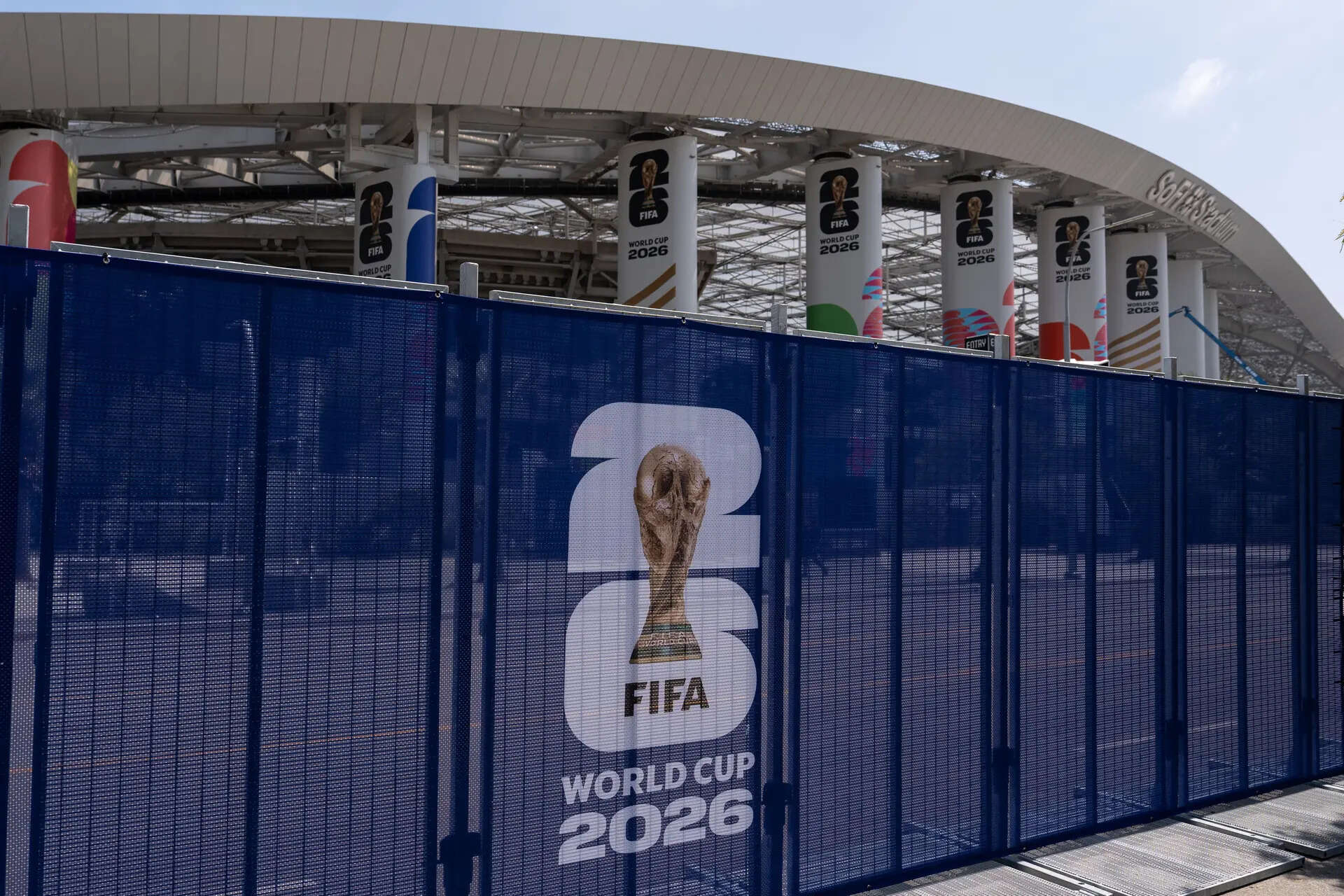
Temporary fencing with FIFA World Cup 2026 signage is set up outside SoFi Stadium, Friday, June 5, 2026, in Inglewood, Calif. (AP Photo/Jae C. Hong)
The revised wording stated: “For the avoidance of doubt, reusable water bottles may not be brought into the stadium.”The change effectively meant supporters would need to purchase drinks from concession stands inside venues rather than bringing their own reusable bottles.
Criticism quickly intensified
The policy sparked immediate criticism, particularly because the 2026 World Cup will be played during the North American summer, with several matches expected to take place in challenging heat conditions.According to a 52-page report published in May by World Weather Attribution, approximately 26 of the tournament’s 104 matches are likely to be played when Wet Bulb Globe Temperature (WBGT) levels exceed 26 degrees Celsius. Scientists also projected that five matches could take place in conditions where WBGT exceeds 28 degrees Celsius.WBGT combines temperature, humidity, sunlight and wind to measure heat stress and is widely used by sports scientists, safety experts and military organisations when assessing heat-related risks.
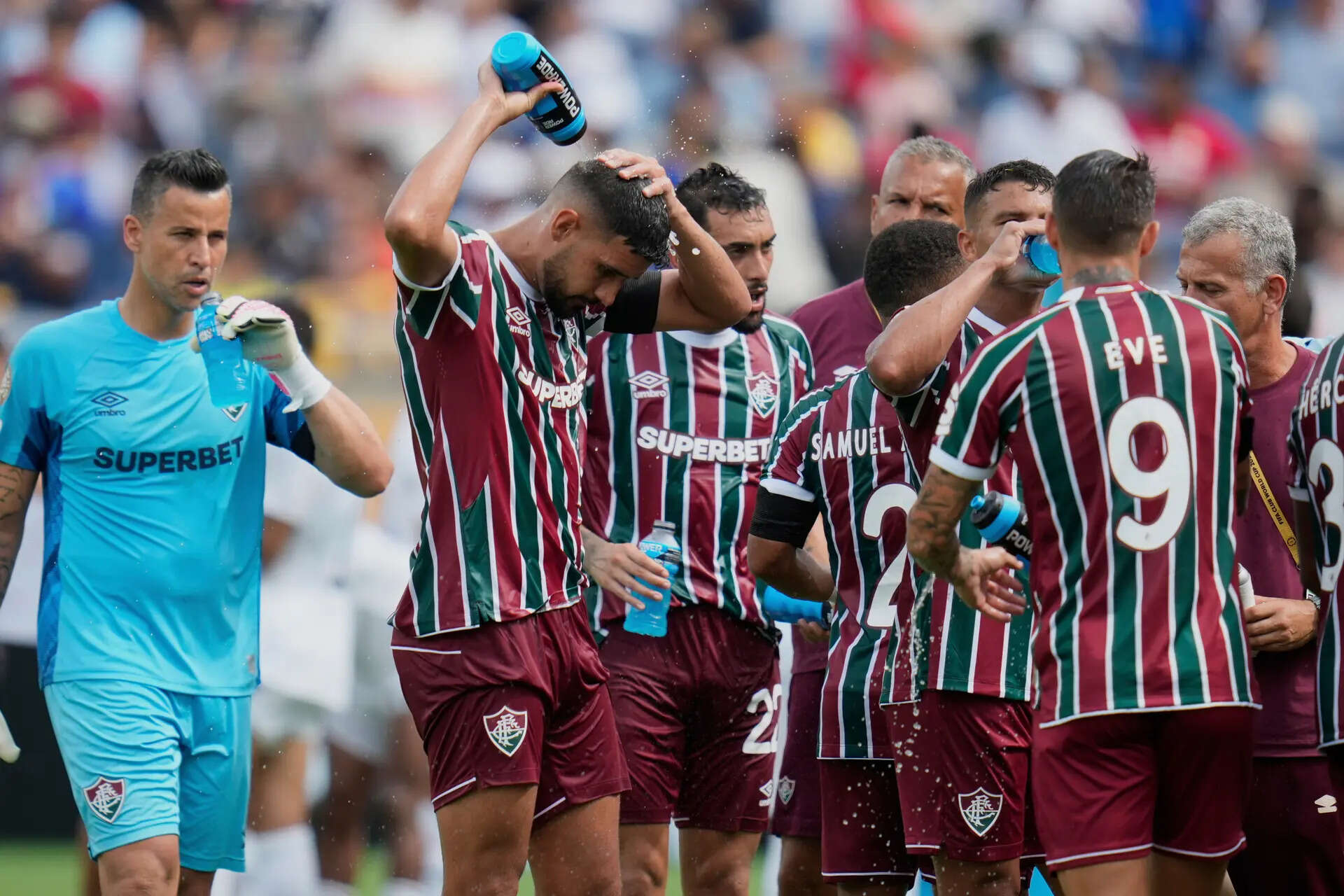
FILE – Fluminense players cooling up during a water break at the Club World Cup quarterfinal soccer match between Fluminense and Al Hilal in Orlando, Fla., Friday, July 4, 2025. (AP Photo/John Raoux, file)
The policy also attracted political criticism.Toronto Mayor Olivia Chow described the decision as a “pure money grab”, while New York City Mayor Zohran Mamdani also criticised the policy in comments to The Athletic before FIFA’s latest reversal.“I’m glad that FIFA decided to reverse this policy and allow water bottles to be brought into World Cup games,” Mamdani said.“No one should have to fear being priced out of being hydrated, especially fans who are often waiting for hours before a game in extreme heat.”United Kingdom Prime Minister Keir Starmer also criticised the policy, telling LBC: “It’s just wrong. And I can’t help but think that it’s about making money.“So you can’t bring plastic bottles in but you can buy a bottle of water when you get in the crowd? And then it’ll be expensive. The tickets themselves cost a fortune, far too expensive in my view. So the ticket sales are too high. And this is the wrong policy.”
FIFA announces new clarification
On Friday evening, FIFA released a video featuring World Cup 2026 chief operating officer Heimo Schirgi, who outlined what he described as a clarification of the policy. During the announcement, Schirgi held a Smartwater bottle, a Coca-Cola-owned brand, as he explained the updated rule. He confirmed that supporters attending matches in the United States and Canada will now be allowed to bring one factory-sealed disposable plastic water bottle of up to 20 ounces (approximately 590ml) into stadiums. “Fans would, in fact, now be allowed to bring in one, soft, plastic 20oz (590ml), factory sealed disposable water bottle,” Schirgi explained.The clarification does not amount to a full restoration of FIFA’s original policy. Supporters still cannot bring hard-sided reusable bottles, including metal flasks and insulated containers commonly used at sporting events because of what FIFA described as safety and security concerns. Instead, spectators attending matches in the United States and Canada will only be permitted to enter with a factory-sealed soft plastic bottle containing up to 590ml of water. While Schirgi framed the announcement as clarification, the updated guidance represents a substantial shift from the policy FIFA had been defending only a day earlier.
Mexico remains the major unanswered question
The latest update currently appears to apply only to venues in the United States and Canada.Schirgi made no reference to Mexico during the announcement, creating uncertainty around the five matches scheduled for Mexico City, four in Monterrey and four in Guadalajara.According to reporting from The Athletic, FIFA has been asked to clarify whether the revised policy also applies to Mexico’s three host stadiums: Estadio Azteca, Estadio BBVA and Estadio Akron.As things stand, there has been no confirmation that spectators attending matches in Mexico will receive the same exemption.
Commercial concerns and FIFA’s response
The controversy also prompted scrutiny over the financial implications of the original ban.FIFA receives the majority of concession revenue inside World Cup stadiums, while tournament sponsor Coca-Cola will sell both soft drinks and its Dasani water brand at venues throughout the competition.FIFA previously rejected suggestions that commercial considerations influenced the decision. In a statement defending the policy earlier in the week, the organisation said the restrictions were based on “a number of factors related to safety and security, including mitigating risks to players and spectators.”The governing body also argued that the regulations aligned with policies already used at some host venues, although several World Cup stadiums normally permit fans to bring empty bottles.The debate nevertheless continued to grow until FIFA’s latest reversal.
A significant change before kickoff
The 2026 World Cup will be the largest in the tournament’s history, featuring 48 teams and 104 matches across the United States, Canada and Mexico.Six matches will take place in Toronto, seven in Vancouver and the remainder spread across the United States and Mexico, including the final at MetLife Stadium on July 19.With concerns surrounding extreme heat already becoming a major talking point ahead of kickoff, FIFA’s latest change will come as welcome news for many supporters planning to attend matches.For now, fans in the United States and Canada can bring a sealed bottle of water into stadiums. Whether supporters in Mexico will receive the same treatment remains one of the final pieces of clarification still awaited before the tournament begins.